By Okoi Obono-Obla
What is a New Year?
A New Year is the time when a new calendar year begins and the year count increases by one.
In terms of dates and calendars, under the Gregorian system, January 1st is the most common date for the New Year. It is marked on the Gregorian calendar used worldwide.

However, different cultures and religions use lunar, lunisolar, or solar calendars with different New Year dates. For example: Chinese New Year falls in late January or February, the Islamic New Year follows the lunar calendar, and Nowruz in Iran marks the first day of spring in March.
Accordingly, for the Yakurr people of Cross River State, especially in Ugep, the New Year begins in August of every year when the New Yam Festival is celebrated.
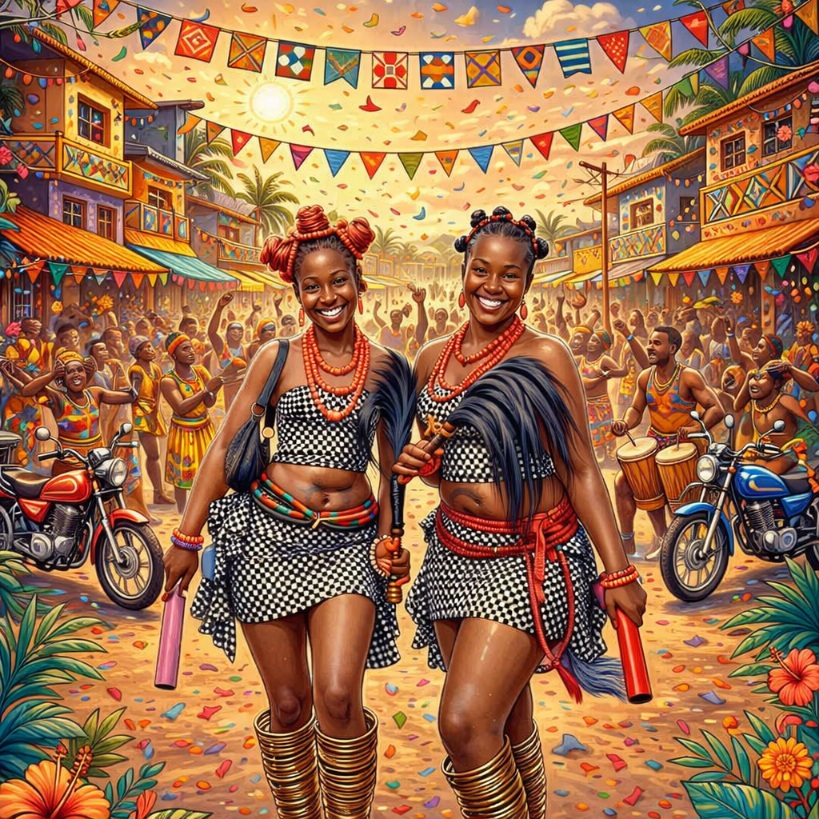
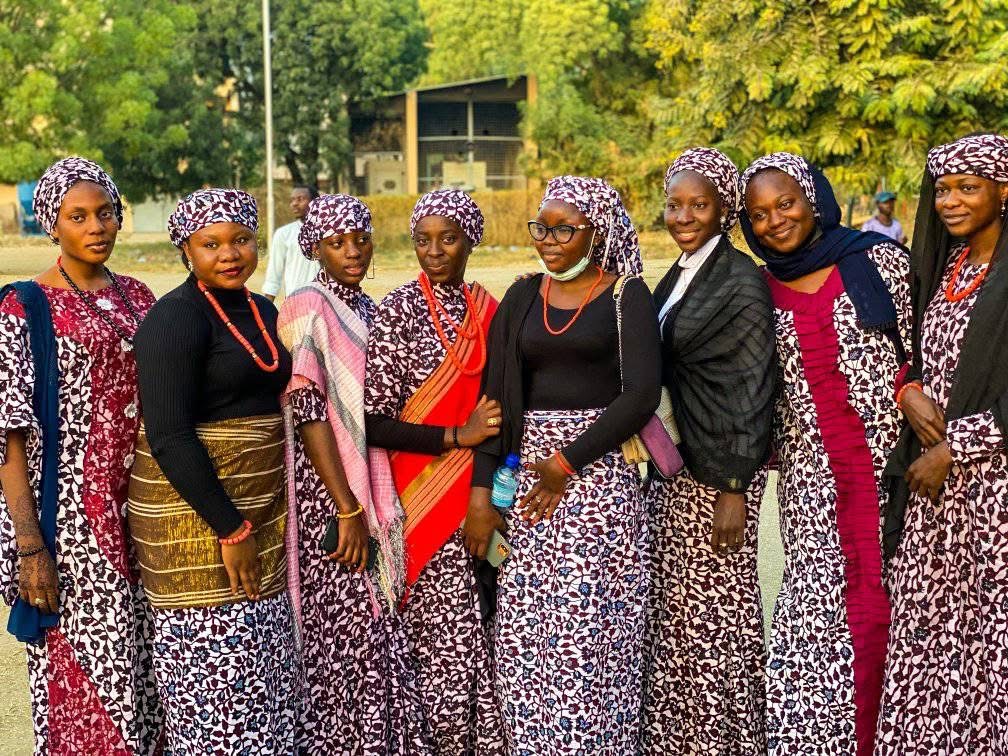
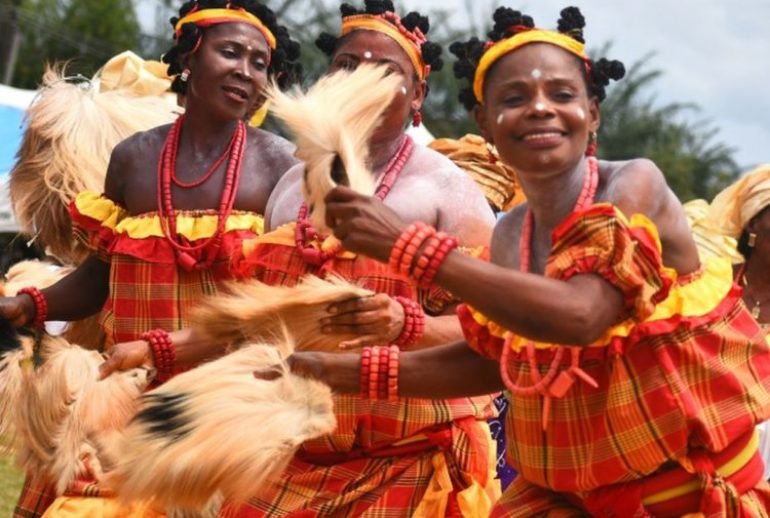
In Ugep in particular, and generally in Yakurr, the Leboku Festival is celebrated annually and the celebration marks the beginning of the New Year using their traditional calendar reckoning.
This is an excellent indication that African people, from time immemorial and contrary to the false impression created by racist scholars of European origin, were civilized and did not learn civilization only with the advent of European colonialism in the 19th century.
From the Yakurr perspective, the Leboku Festival marks both the end and the beginning of their calendar year. Janenboku [Women’s Festival] marks the end of the traditional year, while Ledemboku [Men’s Festival] marks the beginning of the New Year. For instance, the end of the old year in Ugep was Janenboku, which took place on 21st August 2026, and Ledemboku, the beginning of the New Year, followed.[2025][2026]
The Leboku festival lasts for 34 days. According to the Ugep Leboku timetable, the 2026 Leboku started on 4th July 2026 and ended on 2nd September 2026. The Ekoi Day features both Ledemboku and Janenboku, which take place both day and night. By 24:00 hours of Janenboku, the Ekoi drums start to play to usher in the New Traditional Year. As soon as the Ekoi drums are played, all other drumming ceases.[midnight]
Thus, from the beginning of the drumming of the Ekoi drums to the next is 360 days. Therefore, from 22nd August 2026 when the Ekoi drums were played at midnight, the New Year in Ugep has started and will end at the next Janenboku in August 2027. This reckoning is based on the traditional Yakurr calendar, not the Gregorian calendar.
Interestingly, the Ekoi drums in other Yakurr communities such as Mkpani, Ekori, Nko and Idomi are not played on the same day the Ekoi drums are played in Umor. However, the other Yakurr communities take their reckoning for their Leboku from the day the Ekoi drums are played in Ugep.[Ugep]
Conclusion
In essence, the Leboku Festival is more than a yam festival; it is a sophisticated system of time-reckoning that affirms the historical civilization, cultural identity, and intellectual autonomy of the Yakurr people.
@ Okoi Obono-Obla