By Okoi Obono-Obla
Language Shift in Cross River State: The Fate of Kiong among the Korup and Lubila among the Ojor People
The Korup people are found in three Local Government Areas of Cross River State, namely Akamkpa, Odukpani, and Biase. They speak a language known as Kiong, also called Dorup, which is classified as an Upper Cross River language of the Delta-Cross variant of the Niger-Congo African language family.
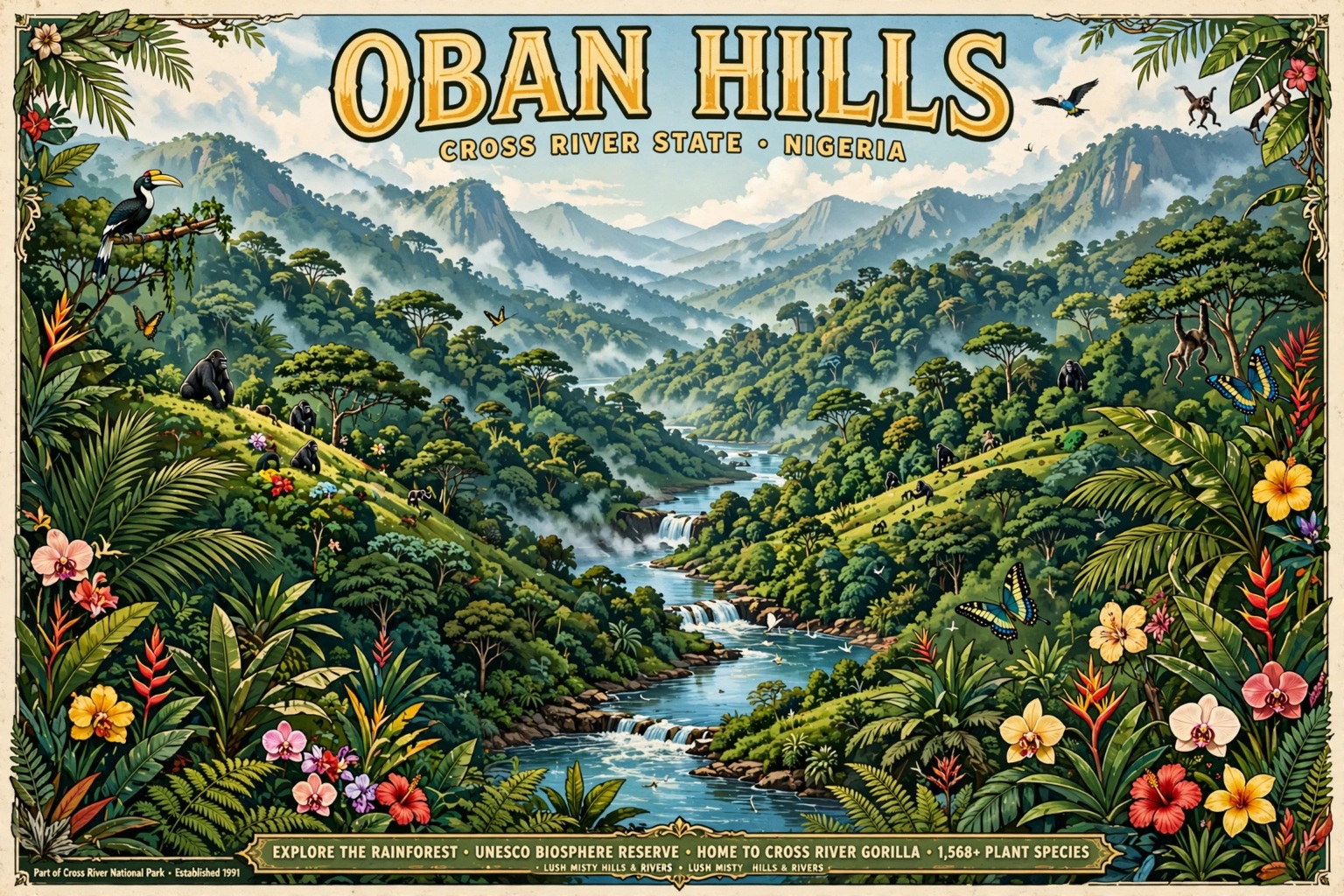
The language is today critically endangered, especially the Akpap dialect spoken in Okoyong of Odukpani Local Government Area. The Korup are a transnational ethnic nationality straddling Nigeria and Cameroon, divided by the Korup National Park in Cameroon and the Cross River National Park in Nigeria. The rainforest in the Cross River National Park is reputed to be more than 60 million years old and its biodiversity is considered one of the richest in the world.

As Kiong goes into extinction, especially in communities such as Okoyong, Okut Ikang, Okoyong Usang Abang, Obot Ukpa, Ekenge, Ubambat, Akpap Okoyong, Ikoneto and Inua Akpa, it is fast being replaced by Efik. As far back as 2010, only about eight elders, all in their seventies, could still speak Kiong fluently.
Although I had always known that the language spoken in Okoyong was Kiong, I did not know that there are also Korup people in Akamkpa and Biase Local Government Areas and in the Republic of Cameroon until recently. This came to light when someone responded to an essay I wrote on Facebook about the Alok Monoliths in Ikom Local Government Area.
The respondent, Iyoyoni OV Korup, who is himself an ethnic Korup, wrote thus:
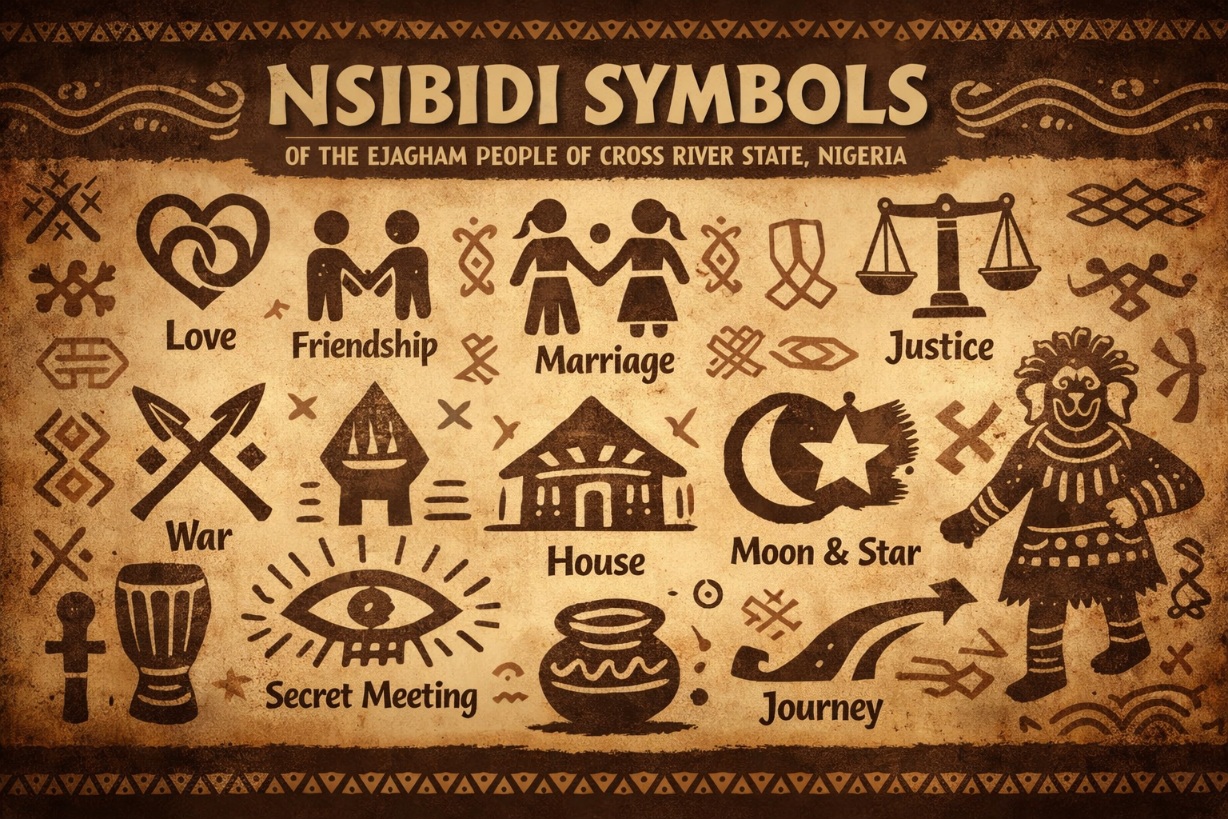
“Ibibios are claiming everything; very soon they will say they are the ones that created the universe… The Korup people also invented Nsibidi. In fact, the word Nsibidi means ‘to translate’ but the original name for Nsibidi in Dorup is Makana. We are the second to have invented the Mgbe secret society after the Ejagham people, as documented by Sir Amaury Talbot in In the Shadow of the Bush, Page IV. So many people do not really hear about us. We are Bantu forest people found near Oban and in neighbouring Cameroon communities. The Okoyong people in Odukpani are Korup people. We have a lot of ancient history that can be documented.”
His intervention affirms their identity as Bantu forest people located around Oban and across the border in Cameroon, and confirms that the Okoyong people of Odukpani are indeed Korup. It also advances their claim as one of the inventors of Nsibidi – which they call Makana – and as the second inventors of the Mgbe secret society after the Ejagham.
This phenomenon of language loss is not peculiar to the Korup.
Another group that has been profoundly affected by language shift is the Ojor people of Akamkpa Local Government Area. The Ojor were originally of Yakurr stock and spoke Lokaa. In the course of their migration and settlement history, they completely lost Lokaa and today speak Lubila, a language also referred to in linguistic classifications under the East-West Upper Cross River language group, alongside related local variants spoken in settlements like Ojo Nkomba and Ojo Akangba.
The cases of the Korup and the Ojor illustrate two stages of the same process.
What is an Endangered or Extinct Language?
A language is said to be endangered when it is no longer being transmitted to children and the number of active speakers continues to decline. UNESCO classifies such languages into levels ranging from vulnerable, to definitely endangered, severely endangered, critically endangered, and finally extinct.
A language is critically endangered when the youngest speakers are grandparents and older, and they speak it only partially and infrequently. This is precisely the present condition of Kiong in Okoyong.
A language becomes extinct or dead when there are no longer any native speakers left. When the last speaker dies, an entire worldview – oral history, indigenous knowledge, folklore, proverbs, and cultural identity – dies with it. The Ojor have already experienced this with Lokaa; they have undergone a total language shift to Lubila.
Whether it is Kiong being replaced by Efik, or Lokaa being replaced by Lubila, the pattern is the same. Without deliberate documentation, preservation and revitalization, the rich ancient history that both peoples possess may be lost forever.