

By Ibrahim Bunu
ibrahimbunu2520@gmail.com
Some nations built great walls.
Some kingdoms raised magnificent palaces.
There are empires remembered because they conquered continents.
Then some civilizations left neither castles nor pyramids, but something far more difficult to destroy—a people whose memory became their fortress.
The Berom belong to that rare category.
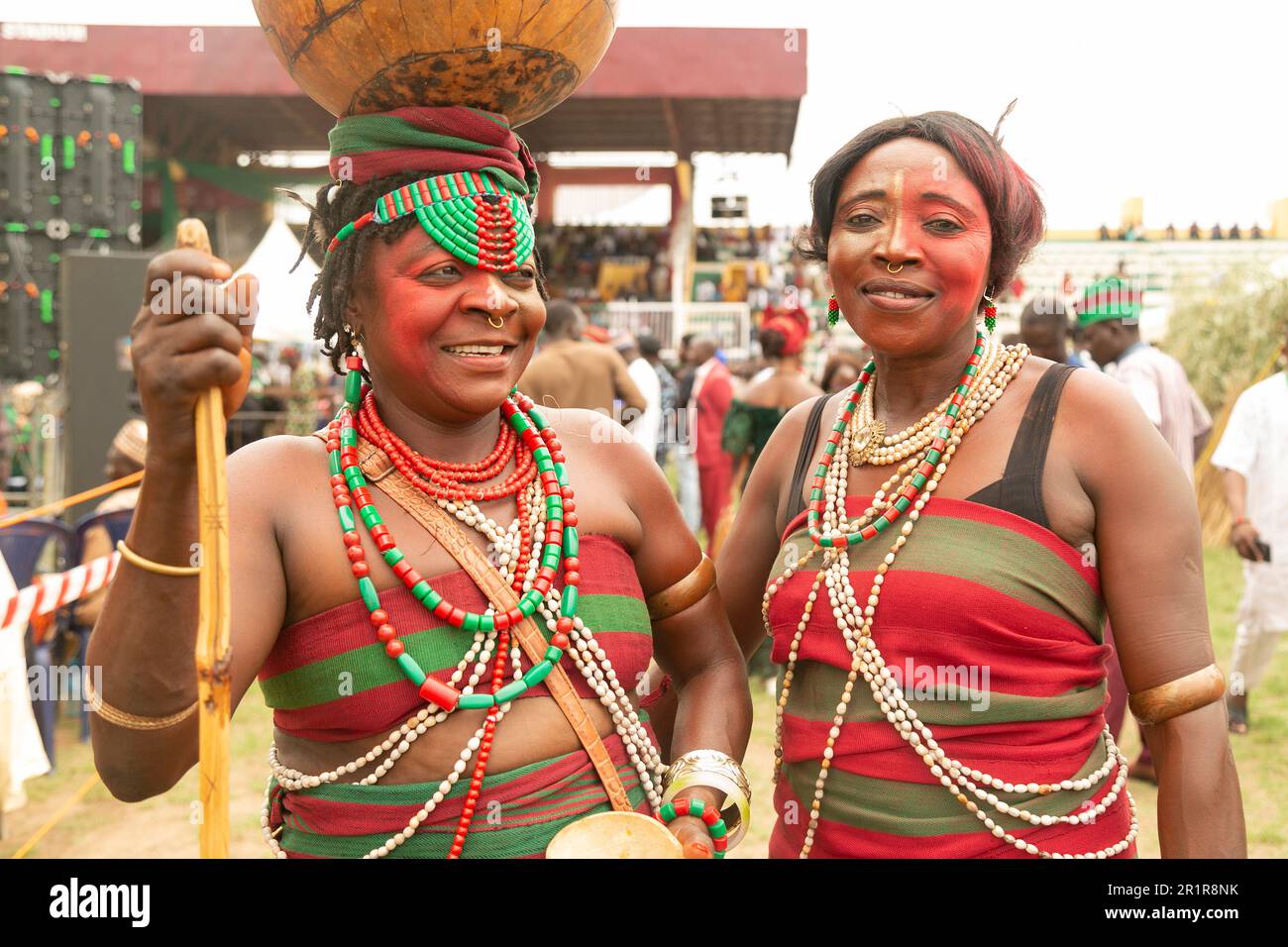
For centuries they have lived upon the highlands of the Jos Plateau, where every hill is a page of history, every stream carries ancestral memory, and every farming season renews a covenant between people and land.
History often celebrates those who conquered.
It rarely celebrates those who simply refused to disappear.
Perhaps that is why younger generations know so little about the Berom story.
Not because it lacked greatness.
But because African history has too often been written from the viewpoint of conquerors, colonial administrators, and outsiders, the voices of indigenous communities survived mainly through oral tradition.
The result is a dangerous silence.
And silence slowly becomes forgetting.
History forgotten eventually becomes identity surrendered.
The Greatest African Library Was Never Written
Long before European historians arrived, African societies preserved history differently.
Knowledge was stored in elders.
Genealogies.
Songs.
Sacred rituals.
Festivals.
Proverbs.
Place names.
Family lineages.
What many dismiss today as folklore was, for centuries, Africa’s university.
This explains why historians sometimes disagree with oral traditions.
Archaeology may uncover one layer of the past.
Written colonial records preserve another.
Oral history preserves yet another.
None should automatically cancel the others.
Together they offer a fuller picture.
For the Berom, memory itself became an institution.
Their traditions carried stories of migration, settlement, kinship, conflict, resilience, and identity across generations before anyone attempted to record them on paper.
The younger generation should understand that oral history is not the enemy of scholarship. It is evidence that must be carefully examined alongside archaeology, linguistics, and documented records.
A Civilization Is More Than Stones
Many young Africans wrongly believe civilization began when Europeans built schools.
Nothing could be further from reality.
Civilization is not measured by skyscrapers.
It is measured by social organization.
Justice.
Agriculture.
Technology.
Language.
Art.
Spiritual belief.
Community.
Long before colonial rule, Plateau communities had systems governing land ownership, conflict resolution, farming cycles, hunting, marriage, environmental stewardship, and leadership.
These were not primitive arrangements.
They were sophisticated adaptations to local realities.
The Nok terracotta culture reminds us that central Nigeria was producing remarkable artistic achievements more than two thousand years ago. While scholars continue to debate the exact relationship between the Nok people and present-day communities such as the Berom, the archaeological record undeniably shows that the Jos Plateau region has been home to complex societies for millennia.
Africa was creating art while much of Europe was still emerging from earlier periods of development.
This is not a competition.
It is a correction.
Geography Was the Berom’s First General
People often explain Berom’s survival only through courage.
Courage mattered.
But geography mattered too.
The Plateau itself became an ally.
The steep escarpments.
The rocky outcrops.
The narrow valleys.
The difficult approaches.
These natural features complicated military campaigns and helped communities defend themselves against stronger external forces.
History repeatedly demonstrates that difficult terrain has shaped the destinies of many peoples around the world.
The Berom experience fits within that larger human story.
The lesson is profound.
Nature often protects communities that learn to live in harmony with it.
Colonization Changed More Than Politics
Many believe colonialism merely replaced African rulers with European rulers.
The reality runs much deeper.
Colonial mining transformed economies.
Cash wages altered family life.
Mission education reshaped worldviews.
Christianity expanded rapidly.
Traditional authority was reorganized.
Artificial administrative boundaries were created.
Land, once viewed primarily through customary systems, increasingly became subject to legal and commercial frameworks.
These changes brought opportunities as well as disruption.
The Berom adapted to education and modern institutions, yet they also faced the challenge familiar to many indigenous peoples: how to embrace progress without losing identity.
That tension continues today.
The Invisible Battle of the Twenty-First Century
Today’s greatest threat is not necessarily military conquest.
It is cultural amnesia.
A people can survive war and still lose themselves.
Languages disappear.
Traditional knowledge fades.
Sacred sites are forgotten.
Names lose their meanings.
Children know foreign heroes better than their own grandparents.
This is how civilizations die—not always through violence, but through forgetting.
Every language that falls silent takes with it a unique way of understanding the world.
Every abandoned festival weakens a people’s collective memory.
Every neglected historical site erases another page from humanity’s shared story.
What Young Africans Must Learn
The Berom story is not only about one ethnic community.
It is a lesson for every Nigerian.
No nation becomes strong by denying the histories of its peoples.
Diversity is not Nigeria’s weakness.
It is Nigeria’s archive.
Young Nigerians should reject narratives that reduce every historical relationship to permanent enemies or permanent victims.
History is more complex than slogans.
Communities traded, intermarried, cooperated, competed, and sometimes fought.
Recognizing complexity does not diminish anyone’s identity; it strengthens historical understanding.
The Way Forward
The future of the Berom—and of many indigenous communities—will depend not only on preserving memory but on transforming it into opportunity.
Language should be taught alongside modern education.
Historical research should continue with openness to archaeology, linguistics, and oral tradition alike.
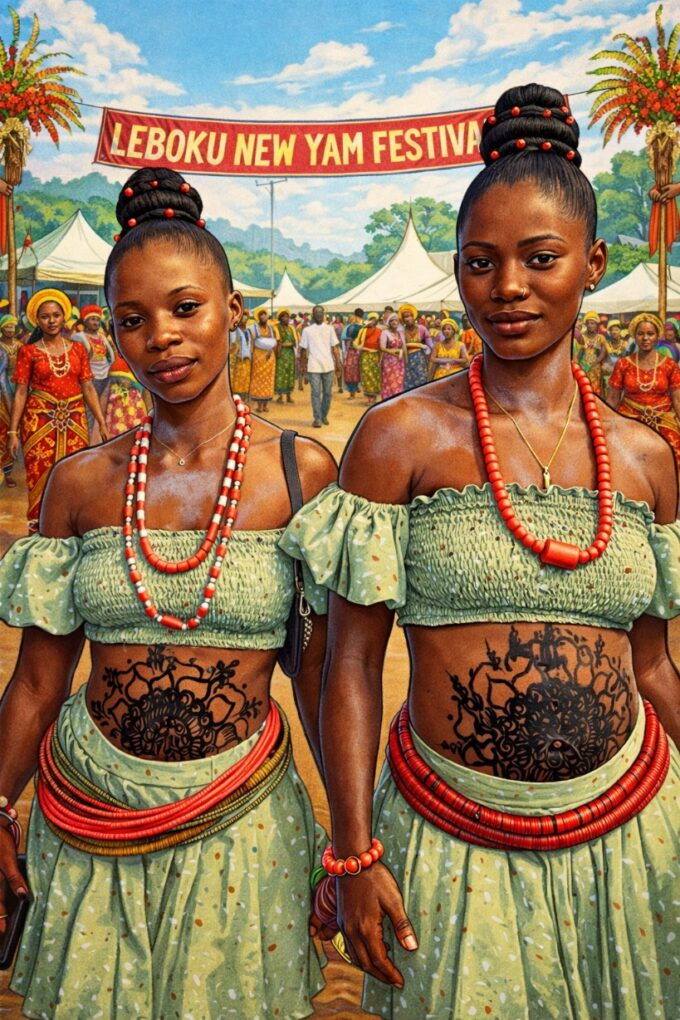
Cultural festivals should be preserved not merely as entertainment but as living classrooms.
Young people should document the stories of elders before they are lost forever.
Governments should protect heritage sites as national treasures.
Peaceful coexistence must remain the goal, because no society prospers through endless cycles of violence.
Most importantly, identity should inspire contribution rather than isolation.
The greatest honour to one’s ancestors is not simply remembering them.
It is building a future worthy of their sacrifices.
The Final Lesson
History does not ask whether a people were rich.
It asks whether they endured.
It asks whether they remembered.
It asks whether they left something worth inheriting.
Empires rise.
Empires fall.
Governments change.
Borders shift.
But civilizations endure whenever a people refuse to surrender their language, their dignity, their memory, and their hope.
If the hills of the Jos Plateau could speak, they would not merely tell stories of conflict.
They would tell stories of endurance.
Of cultivation.
Of resilience.
Of communities that understood that the strongest fortress is not made of stone.
It is built inside the hearts of people who know who they are.
That may be the greatest lesson the Berom offer Nigeria today.
A people who remember themselves can survive almost anything.
A people who forget themselves can lose everything—even in times of peace.










Leave a comment