By Ibrahim Bunu
ibrahimbunu2520@gmail.com
There are moments in a people’s history when silence becomes dangerous.
Not because the war has started.
Not because a government has openly declared hostility against its own citizens.
But because ordinary people begin to feel unheard.
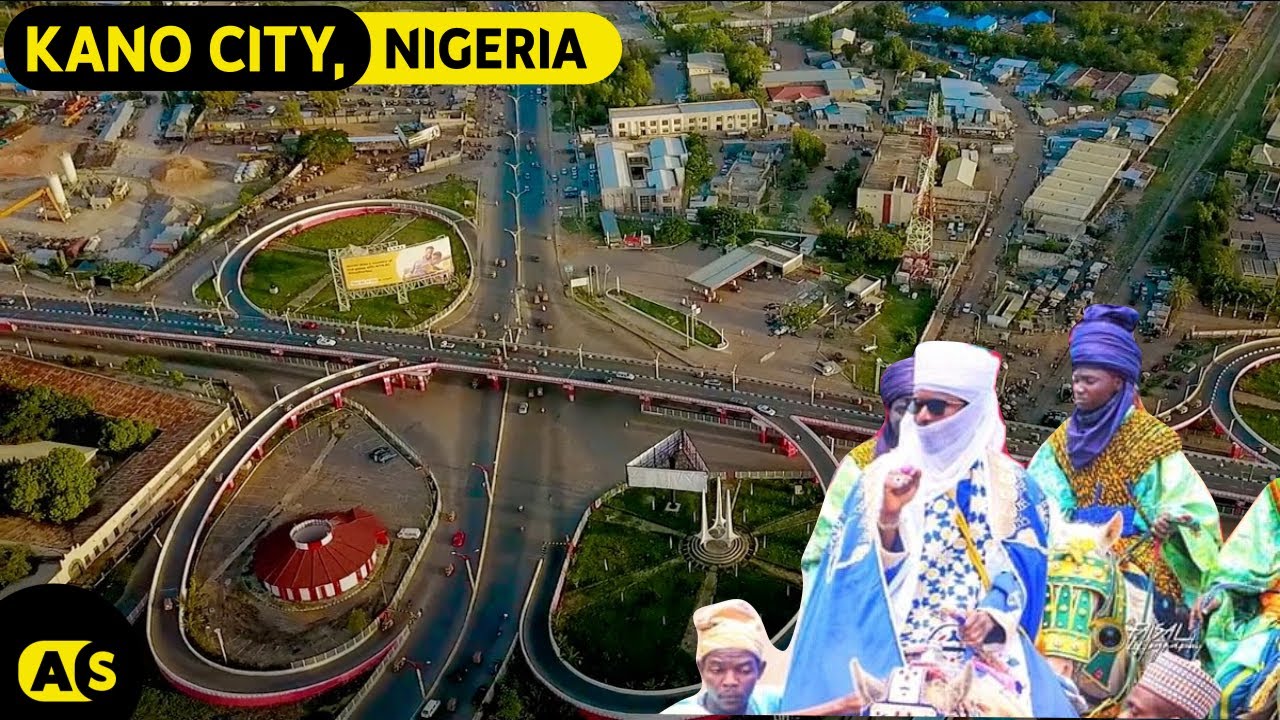
Across parts of Kano State, a growing number of voices are expressing concern over land ownership, land allocation, urban expansion, and government acquisition policies. Whether these fears are ultimately justified or not, the fact that they exist should concern every serious student of Northern Nigerian politics.
The issue is no longer simply about hectares of land.
It is about identity.
It is about history.
It is about belonging.
And it is about whether communities that have occupied certain lands for generations feel protected or displaced by decisions taken far away from them.
The Silent Cry: Many Nigerians Are Not Hearing
One of the frustrations expressed by some Kano indigenes is that whenever concerns about land ownership emerge, the conversation is quickly dismissed as ethnic agitation.
Many believe their grievances are not receiving national attention.
Some argue that if similar allegations were made elsewhere in Nigeria, there would be greater media scrutiny, parliamentary investigations, and public debate.
Instead, they feel their complaints are being reduced to mere political noise.
Whether one agrees with them or not, the perception of exclusion itself is becoming a political reality.
And political realities often become more powerful than legal realities.
Understanding The Hausa Homeland
Long before colonial Nigeria emerged, the Hausa city-states formed one of Africa’s most sophisticated civilizations.
Cities such as Kano, Katsina, Zaria, and Gobir served as centers of commerce, scholarship, agriculture, and governance.
For centuries, families cultivated farmland, built settlements, and established community structures whose roots extended far deeper than those of modern government institutions.
To many residents, land is therefore not merely an economic asset.
It is memory.
It is ancestry.
It is identity.
When people fear losing land, they often feel they are losing a part of themselves.
The Hausa-Fulani Alliance: Strength And Contradiction
The reality often ignored in modern debates is that the Hausa and Fulani peoples have shared centuries of coexistence.
Marriage.
Religion.
Commerce.
Politics.
Scholarship.
Governance.
The alliance was not accidental.
It was built over generations.
The famous Hausa-Fulani identity emerged because cooperation offered more advantages than conflict.
Yet history also teaches that alliances survive only when all parties feel respected.
The moment one side begins to feel marginalized, suspicion emerges.
The moment suspicion emerges, history becomes contested.
The moment history becomes contested, every government action becomes politically interpreted.
This is where many observers believe Northern Nigeria finds itself today.
The Five Questions Nobody Wants To Ask
Question One:
Who really benefits from land acquisitions?
When the government acquires land, who becomes the ultimate beneficiary?
The displaced farmer?
The original community?
Private investors?
Political allies?
Or future generations?
Transparency is the only answer capable of reducing suspicion.
Question Two:
Were local communities consulted?
Development without consultation often creates resentment.
Communities rarely oppose development itself.
What they oppose is exclusion from decisions affecting their future.
Question Three:
Was compensation adequate?
Even where acquisition is lawful, justice requires fair compensation.
Many historical conflicts around the world began not because land was acquired but because affected people felt ignored.
Question Four:
Who controls the narrative?
In modern politics, controlling information is often as important as controlling territory.
When citizens believe their concerns are dismissed, they seek alternative platforms where emotions frequently replace facts.
Question Five:
What happens twenty years from now?
Every land decision creates future consequences.
What appears politically convenient today may become a major source of instability tomorrow.
Wise governments think in decades, not election cycles.
The Bigger Danger
The greatest danger is not Hausa versus Fulani.
The greatest danger is the collapse of trust.
When trust disappears:
* Every development project becomes suspicious.
* Every acquisition becomes controversial.
* Every policy becomes ethnicized.
* Every disagreement becomes existential.
Once that happens, facts become secondary to fear.
History shows that societies rarely collapse because of diversity.
They collapse because trust disappears between diverse communities.
What Must Happen Now
The way forward is not ethnic confrontation.
The way forward is transparency.
The government should openly publish:
* Land acquisition records.
* Beneficiary records.
* Compensation frameworks.
* Community consultation reports.
* Independent assessments.
Nothing calms public anxiety faster than openness.
Nothing fuels conspiracy theories faster than secrecy.
The Lesson For Northern Nigeria
The Hausa-Fulani partnership has survived for more than two centuries because both communities found strength in cooperation.
Yet every political generation must renew that social contract.
No alliance survives permanently on historical memories alone.
It survives because people continue to feel respected, represented, and protected.
The challenge facing Kano today is therefore bigger than land.
The question is whether governance can balance development with justice.
Whether modernization can coexist with heritage.
Whether power can listen before it acts.
And whether communities that built the foundations of society still feel they belong within the future being constructed around them.
Until those questions are answered convincingly, the debate over land in Kano will remain not merely a legal issue but a deeply emotional and political one that deserves careful investigation rather than dismissal.
* Land disputes are rarely just about land; they are usually about identity, representation, and trust.
* Claims of ethnic-based land transfers should be investigated through evidence, records, and transparency.
* The long-term risk is not Hausa vs. Fulani, but the erosion of trust between communities and government.
* Sustainable solutions require public accountability, consultation, fair compensation, and open land governance.