


By Okoi Obono-Obla
The International Monetary Fund (IMF) has projected that Nigeria’s economic growth rate will reach 4.3 percent by 2027, outpacing estimates for eight advanced economies.
The projection was announced in the Fund’s World Economic Outlook (WEO) report, launched during a news conference at the ongoing IMF-World Bank Spring Meetings in Washington, D.C.
At 4.3 percent, Nigeria’s economy is expected to grow faster than those of eight advanced economies, including the United States (2.1 percent), Canada (1.9 percent), Spain (1.8 percent), and the United Kingdom (1.3 percent). Others are Germany (1.2 percent), France (0.9 percent), Japan (0.6 percent), and Italy (0.5 percent).

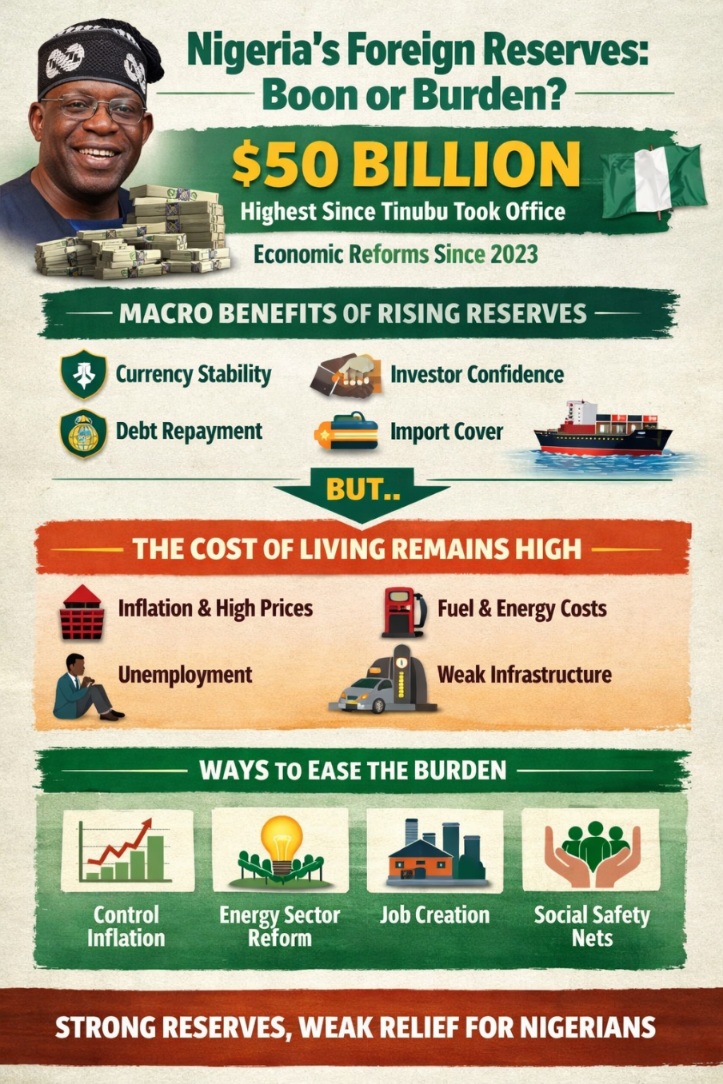
The outlook forecast by the World Bank demonstrates starkly that it is not only about bad news, gloom, poverty, insecurity, and heated politics that often raise the country’s political temperature. Rather, it signals a glimmer of renewed hope—a silver lining on the horizon after the storm. It is a typical case of reassurance that after darkness, there will certainly be light.
This forecast underscores Nigeria’s potential as a leading growth engine among emerging markets, highlighting opportunities for investment and development. If sustained, the growth trajectory could strengthen Nigeria’s global economic positioning, enhance its competitiveness, and contribute significantly to Africa’s overall economic resilience.