

CHRONICLEPOST INTERVIEW
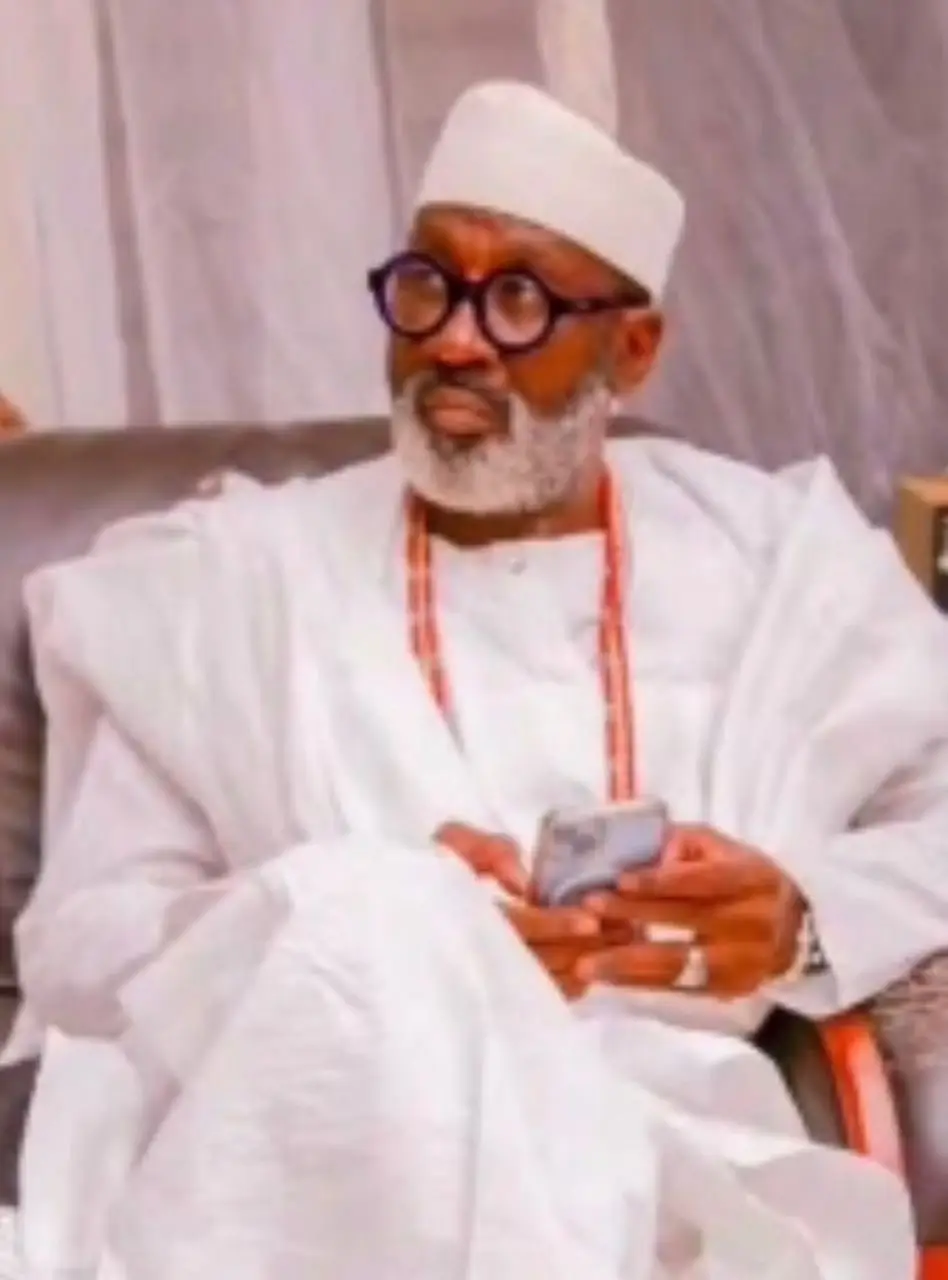
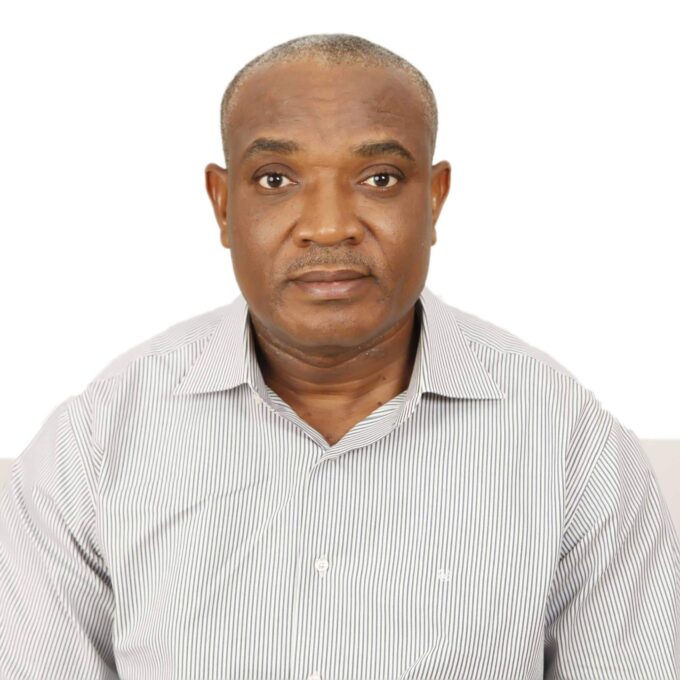
Nigeria’s conversation about debt has become as emotional as it is urgent, shaped by rising living costs, shrinking incomes, and a growing sense of uncertainty about the future. In this atmosphere, numbers are no longer just statistics; they are symbols of fear, frustration, and hope. Seeking clarity beyond the noise, ChroniclePost engaged Otunba (Dr.) Abdulfalil Abayomi Odunowo, National Chairman of the Asiwaju Ahmed Tinubu Support Group (AATSG), in a candid discussion on the realities behind Nigeria’s borrowing since May 2023 what the figures truly represent, how much of the increase reflects reform-driven currency adjustments, and whether the hardship Nigerians feel today is the price of delayed reforms or evidence of deeper fiscal failure.
Nigeria’s Debt, Borrowing, and Economic Reforms under President Bola Ahmed Tinubu
Interviewer: Olasunkunmi Adeniyi Collins
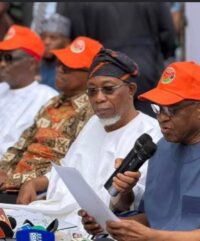
Interviewee: Otunba (Dr.) Abdulfalil Abayomi Odunowo
Q1: Otunba, a viral claim says President Tinubu has borrowed $10 billion from the World Bank alone since assuming office. Is this true?
Odunowo:
No, that claim is not accurate when we examine Nigeria’s official debt records. According to data from the Debt Management Office, Nigeria’s outstanding debt to the World Bank increased by about $4.9 billion between mid-2023 and mid-2025.
What many commentators are doing sometimes deliberately is mixing up loan approvals, projections, and cumulative debt built over many administrations and then attributing everything to President Tinubu alone. That is neither fair nor factual.
Q2: But Nigerians are alarmed that total public debt jumped from about ₦50 trillion to over ₦150 trillion in just two years. How do you explain that?
Odunowo:
That concern is understandable, but it needs context. The bulk of that jump is not fresh borrowing, it is exchange-rate revaluation.
When the naira was unified and adjusted, all existing foreign debts borrowed years ago were recalculated at a much weaker exchange rate. So on paper, the naira value exploded.
In reality, Nigeria’s external debt increased by only about $4.5 billion in dollar terms over that period. The naira figure looks frightening because the currency value changed, not because ₦100 trillion was physically borrowed.
Q3: So how much debt can truly be attributed to Tinubu’s administration so far?
Odunowo:
In clear terms:
• External debt: about $4.5 billion increase
• Domestic debt: rose partly due to higher interest costs and deficit financing
• Total naira debt: increased sharply because of currency revaluation
So we must distinguish between accounting effects and actual borrowing. Without that distinction, public debate becomes misleading.
Q4: Critics argue Nigeria is borrowing more recklessly than its peers. How does Nigeria compare internationally?
Odunowo:
In fact, Nigeria’s debt-to-GDP ratio around 40 to 43 percent is lower than countries like Egypt, Ghana before its default, Kenya, or Pakistan during their reform periods.
Nigeria’s real problem is not how much it owes, but how much revenue it earns. That is the heart of the matter.
Q5: Can you expand on that what exactly is Nigeria’s biggest debt challenge?
Odunowo:
Nigeria’s biggest challenge is debt service relative to revenue. In some years, 60 to 90 percent of federal revenue has gone into servicing debt.
That leaves little money for infrastructure, social services, or prompt payment of contractors. This is why people feel pain on the ground, even when economists say the debt level itself is “manageable.”
Q6: Many Nigerians say there is “nothing to show” for all this borrowing. Is that a fair assessment?
Odunowo:
It is an emotional reaction, but not entirely accurate. Many loans are tied to:
• Power-sector reforms
• Transport infrastructure
• Health and education programmes
• Social protection initiatives
These are long-term investments, not projects that instantly change daily life. Unfortunately, reform periods often feel worse before they feel better.
Q7: There are also reports that the government plans to borrow about ₦18 trillion in 2026. Should Nigerians be worried?
Odunowo:
What exists today is a proposal, not money already borrowed. It is part of the 2026 budget deficit plan and must still pass through the National Assembly.
Large deficits reflect the cost of reforms, inherited obligations, and weak revenue, not necessarily reckless behavior. However, Nigerians are right to demand transparency and discipline.
Q8: Contractors complain of unpaid jobs and delayed payments. Is this connected to the debt issue?
Odunowo:
Yes, indirectly. When debt servicing consumes most government revenue, cash flow becomes tight. Payments are delayed.
That said, it is wrong to suggest contractors will never be paid or that contracts are a scam. This is a liquidity challenge, not a policy of abandonment.
Q9: Some commentators say 2026 will be worse than 2025. Do you share that pessimism?
Odunowo:
Predictions like that are speculative. What matters is whether revenue improves and borrowing slows.
If reforms succeed especially in tax efficiency, oil production, and non-oil exports the pressure should ease. If they fail, hardship will persist. It is that simple.
Q10: Finally, what should Nigerians focus on amid all this noise about debt figures?
Odunowo:
Nigerians should focus on three realities:
1. Not all scary debt numbers represent new borrowing.
2. Nigeria is not in a Ghana- or Egypt-style debt crisis, but it is under severe fiscal strain.
3. The success of Tinubu’s reforms will be judged by revenue growth, reduced debt service pressure, and visible outcomes, not slogans.
This is a difficult transition, but facts not fear must guide public debate.
ChroniclePost
Exclusive Interview










Leave a comment