by Emmanuel Adebanjo
Sir, when will your political disagreements stop being a source of concern to the Yoruba people?
Chief Olusegun Obasanjo,
With due respect to your age, military background and former position as President of Nigeria, I believe it is time someone raised some uncomfortable questions about your recurring public interventions concerning prominent Yoruba political figures.
In 1979, during your military administration’s transition to civilian rule, you made a statement that Nigerians should understand that the most qualified candidate might not necessarily win the presidential election. At that time, Chief Obafemi Awolowo was among the leading presidential candidates. That statement generated considerable controversy and remains part of the historical debate surrounding the 1979 election.
Then came Chief MKO Abiola. At a critical period in Nigeria’s political history, when millions of Nigerians were fighting for the recognition of the June 12, 1993 presidential election, you were quoted as saying that Abiola was not the messiah Nigeria needed.
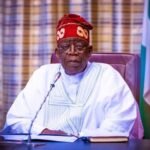
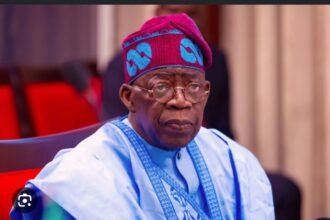
Today, the country is witnessing another chapter involving President Bola Ahmed Tinubu. You have repeatedly criticised his administration, particularly its economic policies and approach to governance.
Of course, you have every constitutional right to criticise any government. Nobody is above criticism, including President Tinubu. But the question I want to ask is this: why does your involvement in these political disagreements repeatedly become a subject of concern among many Yoruba people?
Are you uncomfortable whenever a prominent Yoruba politician emerges as a major contender for Nigeria’s highest political office?
Is there a personal or political disagreement that the Nigerian public deserves to understand?
You have been a military Head of State and a two-term civilian president. You have occupied positions of enormous national responsibility. Your experience should be an instrument for national reconciliation, institutional development and the unity of this country.
Nigeria has other former presidents, former heads of state and retired military generals. Why must your voice so frequently dominate the national political conversation? Why not allow younger generations and the institutions of democracy to develop without every political disagreement becoming another national controversy?
Sir, being a statesman means rising above personal disagreements and demonstrating fairness, consistency and respect for democratic institutions.
The Yoruba people are Nigerians. They have the same constitutional rights as every other ethnic group to participate in national leadership, contest elections and support whoever they believe can serve the country.
No former president should make any Nigerian feel that his ethnic background is a disadvantage in the pursuit of national leadership.
My message is simple: Nigeria belongs to all of us, not to any individual, family, ethnic group or political establishment.
You have made your contributions to Nigeria’s history. History will judge your achievements and your controversies. But you should also consider how future generations will interpret your repeated confrontations with prominent political figures from your own ethnic background.
We need former leaders who build bridges, not deepen suspicions.
Respectfully,
Emmanuel Adebanjo
Author & Public Awareness Advocate