
By Khaleed Yazeed
*Part Two:* The Harvest of the Forgotten, The Rebirth of the Savannah, and the Unanswerable Paradox
The dawn does not break with a gentle whisper, it shatters the darkness with the violence of a newborn sun. The North, once the majestic seat of ancient empires and the undisputed food basket of a continent, has been reduced to a theater of the absurd, where the actors wear flowing robes of piety while their pockets bulge with the blood money of the starving. The old political order has convinced the masses that their survival depends on the religion of the man in Aso Rock, while they quietly watch the infrastructures of their own region collapse into the dust. A hungry stomach, however, does not recite the Qur’an; it aches for bread. The bullet of a bandit tearing through the chest of a poor farmer in Zamfara does not pause to check the tribal mark of the man who sent it. The great awakening is upon us, and it is anchored in the undeniable logic of a man who understands that a nation cannot survive on the illusions of faith and ethnicity when the foundation is built on empty stomachs and broken roads.
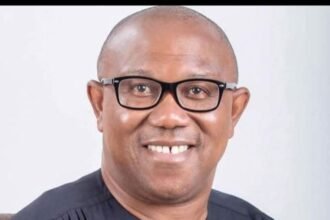
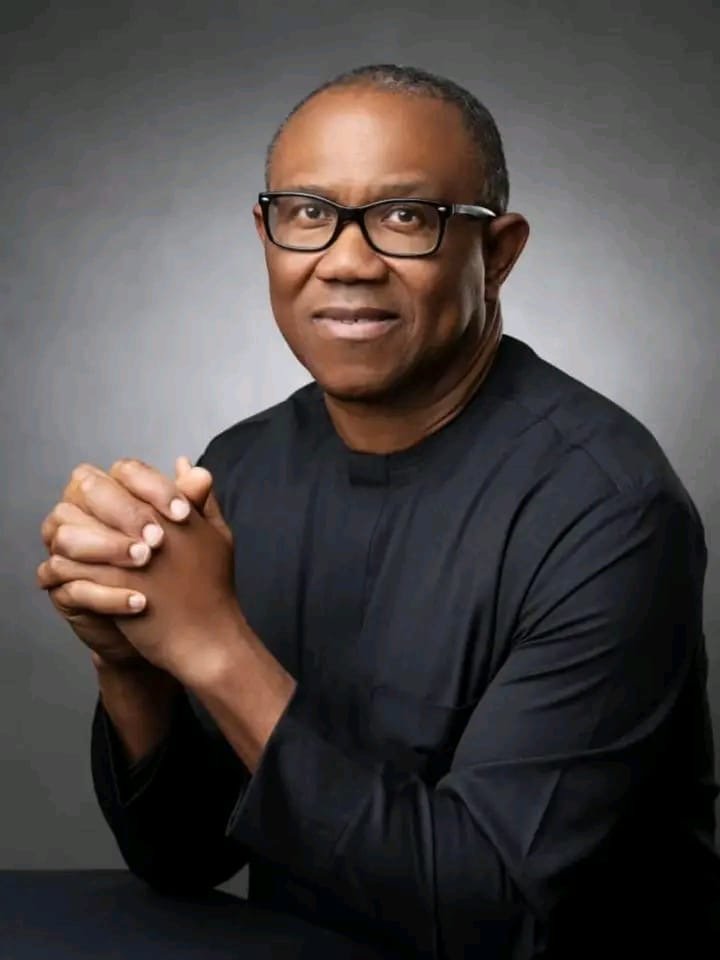
To grasp why the North will be the absolute epicenter of a Peter Obi presidency, one must look beyond the superficial politics of today and gaze into the economics of tomorrow. The Obi vision for the North is not a charitable donation of bags of rice during a campaign season; it is an industrial masterplan that transforms the Savannah into a powerhouse of production. On April 14, 2026, speaking on Arise Television’s Prime Time, Obi declared with absolute certainty: “Nobody can do what I intend to do in the North. We will change the North. Our greatest asset as a country is in the North. We can make more money from agriculture than we make from oil”. He did not stop at rhetoric. On May 25, 2025, at a high-level coalition meeting in Abuja with Northern political stakeholders, he laid out the economic argument: “The North has voted for religion and tribe in the past. Now is the time to vote for competence, character, and a shared national vision”.

Obi’s blueprint involves the systematic revival of the river basin authorities, the deployment of modern irrigation systems, and the provision of affordable agricultural inputs directly to the actual farmers, bypassing the corrupt middlemen who have turned fertilizer into a political currency. The goal is not merely to feed the North, but to make the North the agricultural engine that feeds the entire West African sub-region. He has repeatedly pointed to the North’s industrial past as a warning and a promise. “Kano used to be where we went for cash flow. Today, its industries are silent, and its youth are unemployed. This decline is not destiny, it’s the result of poor leadership and lost priorities,” he said in May 2025, vowing to revive the manufacturing hubs of Bompai, Sharada 1, and Sharada 2 that once roared with life.
The current tragedy of the North is that its youth have been weaponized against its own future. The vast population of the region, which should be its greatest asset, has been abandoned to the streets as almajiris, left to beg for crumbs while their leaders build palaces. The Obi doctrine views these millions of young men not as a problem to be managed, but as a dormant army of productivity waiting to be awakened. On July 4, 2026, responding to a United Nations warning of an impending food crisis in the North, Obi wrote: “The recent report from the UN about the impending food crisis in northern Nigeria is disheartening, more so because it is avoidable”. His solution is not charity, but structural investment. “If we want to secure the North today, we need to start investing in those critical areas: agriculture, pulling people out of poverty, investing in education, investing in health. And that we can do,” he stated on ARISE NEWS in July 2026 . He has sat with the almajiri children and seen their brilliance. “If they can’t go to school, take the school to them,” he declared, outlining a plan for inclusive and mobile education models.
Security, that terrifying ghost that haunts the Northern plains, will not be solved by the mere purchase of bullets and the deployment of more soldiers. On April 14, 2026, Obi vowed: “I will declare war” on insecurity, stressing that the situation had reached a point where urgent and forceful measures were required. But his war is not merely military. “The criminality you see in the North is because of poverty. We need to fix poverty and empower the education sector for these things to be addressed,” he said in March 2025. The Obi approach recognizes that the bandit in the forest was once a herder whose lands were taken and his cattle rustled. “When you have poverty, you have humanity that you cannot control because when people don’t know where the next meal will come from, you can never control their actions. And they easily recruit,” he warned in May 2025. When a young man in the Savannah has a farm to till, a market to sell in, and a functioning road to transport his goods, he does not pick up a rifle. He picks up a hoe. “I’m going to be in the north. If there’s anywhere any leader should return today, it is the north,” he promised.
The infrastructure of connection will be the final nail in the coffin of the old regional divisions. The South’s industries and the North’s raw materials are the two separated halves of the Nigerian economic engine. The Obi administration intends to build the necessary road networks, the modern railway systems, and the power grids that connect the Savannah to the coastal ports. The North must not remain an isolated island of potential; it must become the integral engine room of the Nigerian economy. When the roads are fixed, the cost of transporting goods drops, and the farmer in Kaduna can compete with the importer in Lagos. When electricity is stabilized, the small-scale industries in Kano will roar to life. “The North has an asset. Nobody in this country, none of us in other area, can say they have,” Obi said in September 2026, promising to invest in that asset with the same discipline that turned Anambra from a failing state into a model of fiscal responsibility . “If there’s one president the north will celebrate, it’s me,” he declared, and the arithmetic of his plans suggests he believes it.
The stark reality of the old order is its absolute inability to defend itself without sinking into an abyss of self-incrimination. The defenders of the status quo will scramble to hold on to their fading relevance, and they will attempt to challenge the thesis of this movement. They will be met with an inescapable trap, a question so profound and rooted in the harsh realities of the Nigerian experience that any attempt to answer it will only magnify their own guilt. Ask them this: When a young father in the deepest corners of the Savannah watches his newborn baby fade into the eternal silence of malnutrition in a dilapidated clinic, does the religion of the governor sitting in the capital city pump oxygen into that child’s failing lungs, or does the absolute, terrifying emptiness of that hospital ward stand as a damning confession that the so-called defenders of the faith have been the architects of the people’s agonizing death?
If they defend the failed order, they admit that the blood of the innocent is the acceptable price for their political power. If they try to pivot and blame others, they expose the fact that they have held the reins of power for decades without building a single functional healthcare system. They cannot escape the mirror of their own failure. The silence of the orphan in the ruins of the North screams louder than any political slogan. It is the sound of a system collapsing under its own weight of hypocrisy. The quiet accountant from the East is not coming with a gun to conquer the North; he is coming with a ledger to balance the books of a broken nation, and the people of the Savannah will be the first to witness the miracle of their own resurrection. The harvest of the forgotten is ripe, and the reawakening is unstoppable.
Khaleed Yazeed is the Founder of the Wakilin Yamma Youth Development Network, Katsina State, Nigeria.