By Okoi Obono-Obla
The economic hardship that Nigerians are experiencing today is not an isolated national misfortune. It is the local expression of a global system under severe stress — a system so interwoven, interconnected and interlocked that a missile fired in the Persian Gulf, a budget cut in Berlin, or a protest in Paris reverberates in markets in Lagos, Accra and Nairobi.
Three major shocks explain the current spiral in energy costs and the cost of living.
1. The Strait of Hormuz Crisis

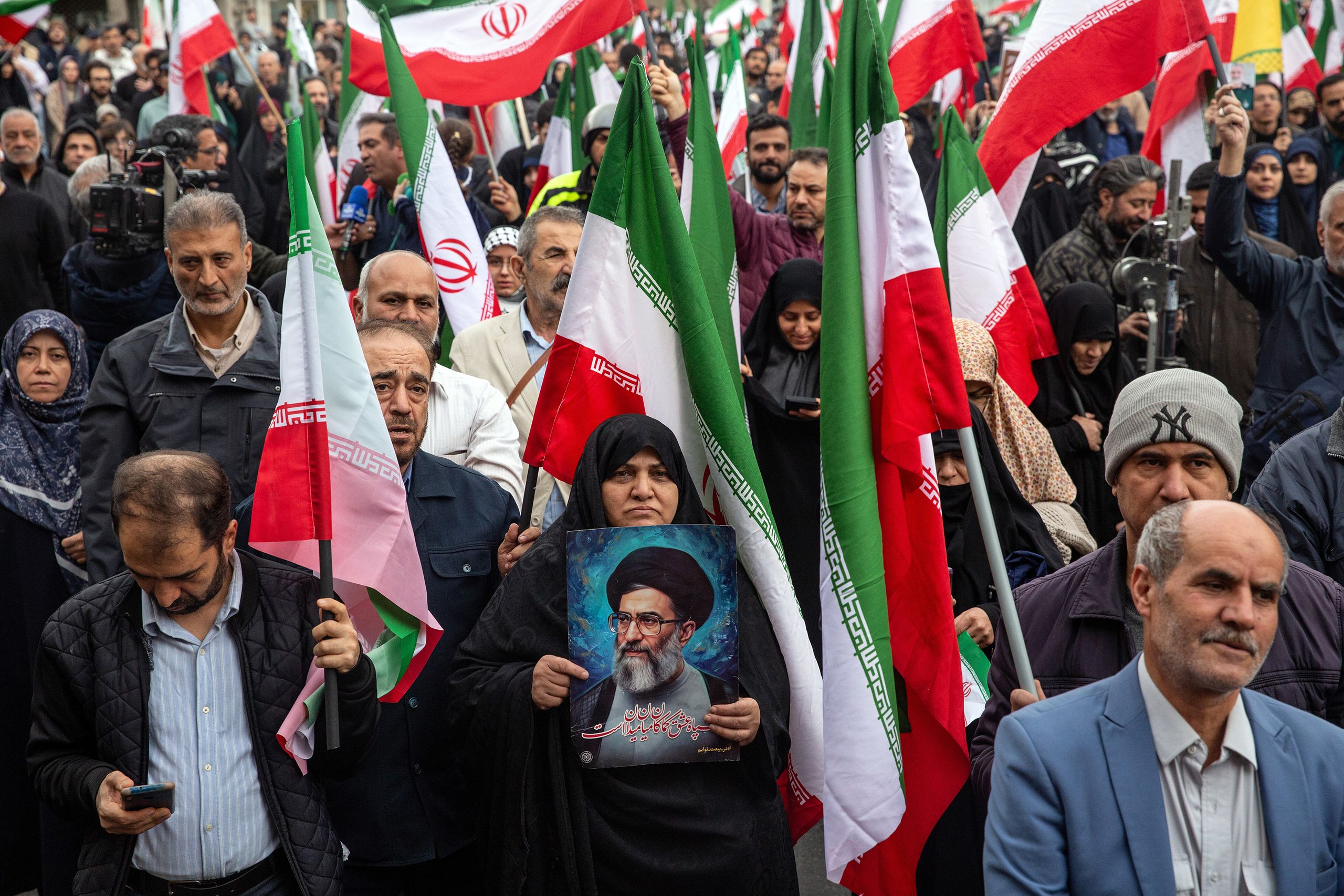
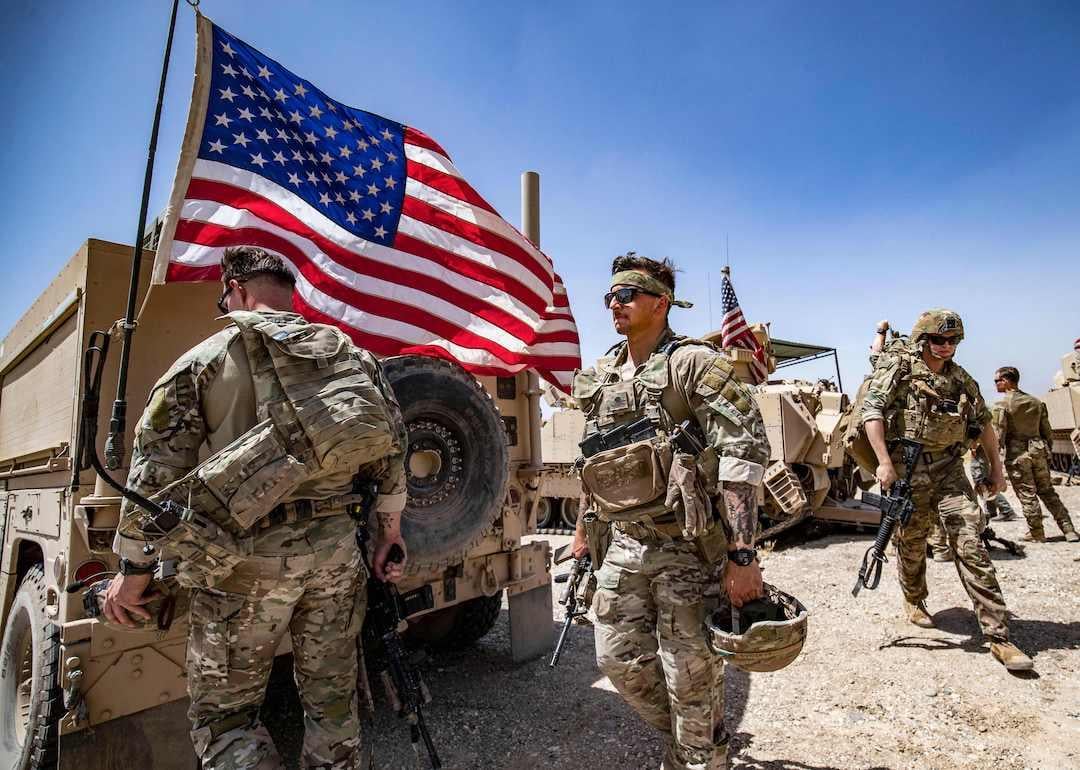
On 28 February 2026, the United States and Israel launched large-scale coordinated military attacks inside Iran. In retaliation, Iran moved to disrupt the one geography that can impose immediate economic costs on the world: the Strait of Hormuz.
That waterway is critical. It handles about 20 percent of global oil and liquefied natural gas trade, with roughly 20 million barrels per day transiting its narrow 21-mile channel. Since February, the Strait has been largely closed to shipping following Iranian attacks. It has been largely blocked and disrupted for more than seven months, driving one of the worst maritime shipping disruptions in decades. The result has been oil prices topping $100 per barrel, higher freight costs, and imported inflation for energy-importing and energy-exporting countries alike.
2. The Prolonged Russia-Ukraine War
This new shock sits on top of an older one. The Russia-Ukraine war, which began in 2022 when the world had yet to recover from the COVID-19 pandemic of 2020, continues to distort food, fertilizer and energy markets. Europe’s search for non-Russian gas, and Russia’s re-routing of oil to Asia, have kept global energy markets tight and volatile.
3. A Wave of Gen Z Protests in Europe
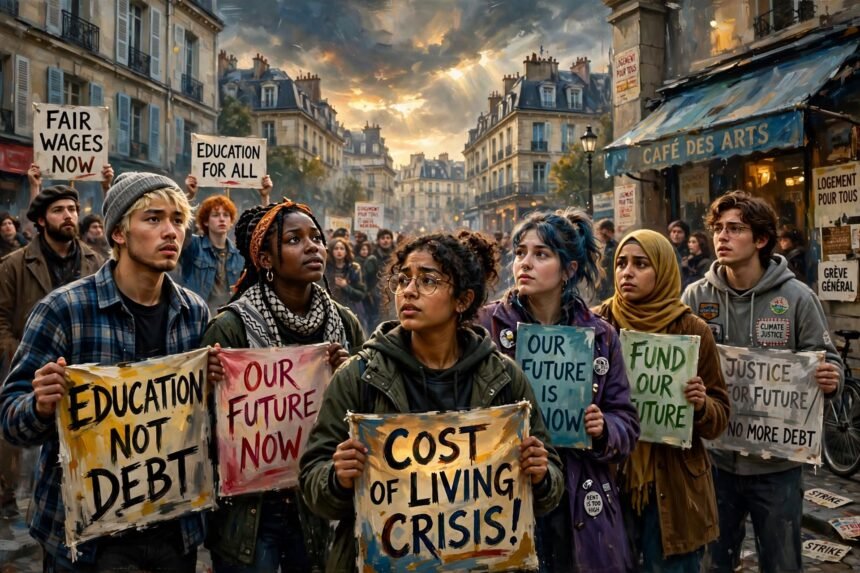
From that economic pain has come political unrest. What started with youth-led demonstrations in France has now spread across Europe.
In Germany on 31 October 2026, tens of thousands joined demonstrations organized by the campaign group “Gen Z regelt” — translated as “Gen Z takes charge” — in 34 cities including Berlin, Frankfurt and Munich. Organizers expected more than 160,000 people. Their demands are familiar: better education funding, lower living costs, an end to public spending cuts and opposition to the potential reintroduction of compulsory military service.
The Nigerian Lens: Between Reality and Manufactured Narratives
This is where the BBC Global Disinformation Unit investigation referenced above becomes essential for Nigeria, and it corroborates an article I penned on the subject.
In a report titled “Are Christians Being Persecuted in Nigeria as Trump Claims?”, authored by Olaronke Alo and Chiamaka Enendu with Ijeoma Ndukwe, the BBC scrutinized claims that over 125,000 Christians have been killed and 19,000 churches destroyed in Nigeria since 2009 — figures widely cited in U.S. conservative media and politics.
The investigation found that those figures were propagated heavily by the International Society for Civil Liberties and Rule of Law (Intersociety) and allied advocacy groups. When contacted by the BBC, Intersociety failed to provide itemised data or verifiable sources to substantiate its casualty claims.
Independent conflict monitors like the Armed Conflict Location & Event Data Project (ACLED) present a different picture: violence in Nigeria is multifaceted, affecting communities across religious and ethnic lines without clear evidence of a systematic campaign against Christians alone.
Why does this matter in a discussion about energy and the cost of living? Because disinformation is now part of the economic weaponization of crisis. By framing complex intercommunal violence as a one-sided genocide, advocacy groups risk inflaming tensions, distorting international perceptions, and undermining efforts at reconciliation and peacebuilding. In an era when Nigeria is labelled a “country of particular concern” and threats of military action are made, such unverified narratives can affect investor confidence, insurance premiums for shipping, and development cooperation — all of which feed back into the cost of living.
How Will Europe’s Unrest Impact Nigeria and Other African Countries?
a) Energy and Inflation Pass-Through: Nigeria exports crude but imports refined products. A prolonged Hormuz closure means higher import costs for petrol and diesel, higher transport costs, and sustained inflation. For non-oil producing African states, the shock is even harsher.
b) Fiscal Pressure: Higher global interest rates driven by energy inflation make borrowing more expensive for African governments already facing debt distress.
c) Trade, Aid and Remittances: If European economies slow due to protests, energy costs and military spending, demand for African exports and diaspora remittances may soften, while development aid budgets face cuts.
d) The Gen Z Contagion Effect: The most important impact may be political. The Nigerian Gen Z is as impatient, connected and revolutionary as its German or French counterpart. It watches the same social media feeds, shares the same frustration about underfunded schools, unemployment and cost of living, and is equally willing to take to the streets.
Conclusion
We are at a true inflection point. The world is no longer compartmentalized. A security decision in Washington and Tel Aviv closes a strait in the Middle East, raises the price of bread in Kano, and inspires a protest placard in Berlin.
Governments, including Nigeria’s, must therefore respond on two fronts: with economic realism — acknowledging that domestic inflation is tied to global chokepoints and building buffers through refining capacity, food security and fiscal discipline — and with informational integrity — insisting on verified data over sensational claims.
Above all, governments must match the revolutionary spirit of Gen Z with revolutionary governance: transparent, accountable, and focused on education, jobs and cost of living. If they fail, the streets of Europe today may be a preview of the streets of Africa tomorrow.