By Idowu Ephraim Faleye +2348132100608
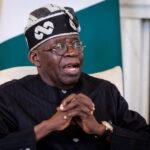
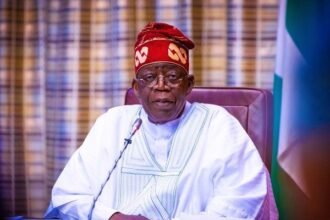
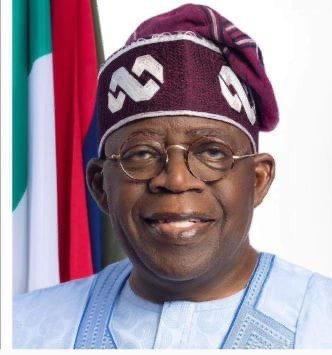
Tinubu Must Go. That is the new mantra you hear from some opposition quarters these days. They shout it on the streets, type it on social media, and wave it like a flag. But stop and look closely. The phrase cannot stand alone as a complete sentence. It is incomplete. The full and true sentence is this: *Tinubu must go back to Aso Rock to finish what he has started*.
When Bola Ahmed Tinubu took the oath of office on 29 May 2023, Nigeria was not standing strong. The country was limping. There was almost no money left to run the government properly. States were borrowing Budget Support fund just to pay workers’ salaries. The federal government itself was borrowing to keep the fuel subsidy going and to hold the exchange rate in place. The Central Bank had already given the government about ₦26.9 trillion through something called Ways and Means. That was like an overdraft that had grown to more than 11 percent of the whole economy. Crude oil was being sold and the money collected years in advance. Aircraft belonging to Nigeria were seized by creditors overseas. Aviation companies were packing up and leaving. Universities that should take four years were stretching to seven because of endless ASUU strikes. Motorists slept at petrol stations just to buy fuel. Companies were leaving in droves. The government of President Buhari was printing money arbitrarily. The nation stood at the edge of total collapse.
Tinubu did not sit down and cry about the mess, or spent months blaming his predecessor. He started work at once. He removed the petrol subsidy that was eating huge sums every month. He allowed the naira to find a more honest value in the market instead of the old multiple rates that only favoured a few people. He turned the big Ways and Means debt into proper long-term debt so the country could pay it back slowly and with lower interest. He stopped printing money freely and started tightening policy instead. He pushed harder for tax collection and customs duties so that more money would come in from non-oil sources.

These steps were painful. Prices jumped. Inflation that was already 22.41 percent in May 2023 climbed higher and higher until it hit 34.8 percent by December 2024. Food became much more expensive. Many families felt the squeeze. Businesses that relied on cheap imported goods struggled. That part of the story is true and must not be hidden. The reforms hurt in the short run.
Yet something important also happened. Money started flowing into the Federation Account in larger amounts. In 2023 the three tiers of government shared about ₦10.1 trillion. In 2024 the total rose to roughly ₦15.26 trillion. States alone received about ₦5.81 trillion that year, a big jump from the ₦3.58 trillion they got the year before. Month after month the shares kept growing. In some months states took home close to ₦500 billion together. Oil-producing states like Delta, Rivers, Akwa Ibom and Bayelsa received the largest slices because of the 13 percent derivation, but almost every state saw higher numbers than before. By the middle of 2025 and into 2026 the pattern continued. States that once needed emergency loans just to pay salaries now had more regular money coming in.
This is the key point that many people miss. The government did not simply print money. The extra cash came mainly from stopping the subsidy drain, from the higher naira value of oil dollars after the exchange-rate change, and from a better collection of taxes and customs duties. World Bank figures show that Federation Account revenues moved from about 7.9 percent of GDP toward 9.5 percent in the following years. That is a real improvement in the amount of money available to be shared.
Look at the wider numbers and you see the same mixed picture of hard work beginning to show results. Real economic growth was only about 2.9 percent in 2023. It rose to around 3.8 percent in 2024 and stayed near 3.9 percent in 2025, with some quarters even touching above 4 percent. External reserves that stood near 33 to 35 billion dollars when Tinubu came in climbed to more than 40 billion and later higher still. Net reserves improved even more sharply, giving the country a stronger buffer against shocks. The 2024 budget was signed at about ₦28.7 trillion. The 2025 budget grew much larger, reaching around ₦48 to 55 trillion depending on the final figures. Bigger budgets mean more room to spend on security, roads, schools and health, even while deficits remain.
Public debt in naira terms rose a lot, from roughly ₦87 trillion in mid-2023 to about ₦159 trillion by the end of 2025. Part of that rise came from new borrowing. Another part came simply because the naira was weaker, so the same foreign loans looked bigger when counted in local currency. After the economy was rebased, the debt-to-GDP ratio looked more manageable than the raw naira numbers suggest. Still, debt service takes a heavy bite out of revenue, and that remains a worry that must be managed carefully.
The honest story is not that everything suddenly became perfect. Inflation stayed high for a long time and only later began to ease toward the mid-teens. Many ordinary people still feel the high cost of living every day. Some states still struggle more than others. Security problems have not vanished. Growth, while better, is still not fast enough for a country with so many young people looking for work. These truths must be said clearly.
But the other side of the story is equally true. Nigeria which was sliding toward a point where the federal government and the states could no longer meet basic obligations without constant emergency borrowing and money creation. That danger has been pushed back. Revenue has grown. States receive more each month. Salaries are paid more regularly in many places without the same desperate scramble for loans. Reserves have strengthened. Growth has picked up a little. The ship that was taking on water is no longer sinking at the same speed. It has been turned, slowly and painfully, toward safer waters.
That is why the incomplete slogan needs the full sentence. *Tinubu must go back to Aso Rock* to finish the work. The hardest part of the reforms has already been done. The subsidy is gone. The exchange rate is more open. The old Ways and Means overdraft has been cleaned up. The tax collection is improving. If the country changes direction now, all the pain already suffered could be wasted. The revenue gains could shrink again. States could return to borrowing for salaries. Confidence that is slowly returning could disappear.
Finishing the job means keeping the discipline on spending, collecting more non-oil revenue, bringing inflation down further, and turning the extra money into real roads, reliable power, better schools and safer communities. It means making sure the benefits reach ordinary families. It means staying the course long enough for the economy to adjust fully and for private businesses to invest with more certainty.
Nigeria has been here before. Leaders have started difficult reforms and then left them unfinished. The result was always the same: the old problems returned stronger than before. This time the numbers show that the direction of travel has changed. Growth is a little higher. Money available to the three tiers of government is clearly larger. External buffers are thicker. The worst immediate danger of fiscal collapse has been avoided.
So when people shout *“Tinubu Must Go,”* the proper reply is simple and complete. Yes, he must go. *He must go back to Aso Rock*. He must return to the work he began when the country was nearly broken. He must stay long enough to lock in the gains, protect the new revenue flows, bring prices under better control, and give the states lasting ability to meet their duties without constant crisis. The unfinished sentence must be completed. *Tinubu must go back to Aso Rock to finish what he has started*. That is the only way the ship reaches the shore of real and shared prosperity instead of drifting back into the storm.
*Idowu Ephraim Faleye is a freelance political writer based in Nigeria +2348132100608*