By Okoi Obono-Obla
In Ugep, the name ‘Obono’ evokes mysticism and divinity. It refers to the initiates who take part in Lobo or Yekpi – also known as Kebongha Day – the last major event of the Leboku New Yam Festival, held on the sixth day after Ekoi Day.
Today, 27th August 2026, Ugep comes alive for this celebration. Lobo is at once a day of playful comedy, relief, fun and laughter, and in essence, a day of appeasement and thanksgiving to the Almighty God for a successful Leboku.
Yekpi is more than entertainment. It is a sacred rite of manhood, spiritual alignment and ancestral connection. After undergoing spiritual cleansing and rites involving the revered Njokolo spirit, young men are led by divine instruction to their paternal bushes to uproot a tree as a symbol of strength and personal valour.
As Elder Okoi Ubi, a respected custodian of Ugep culture, notes: “This tradition is not for show. The gods watch every step. If a boy dares uproot a tree from a bush that is not his father’s, the spirits will resist him. Yekpi teaches discipline, strength and identity.”
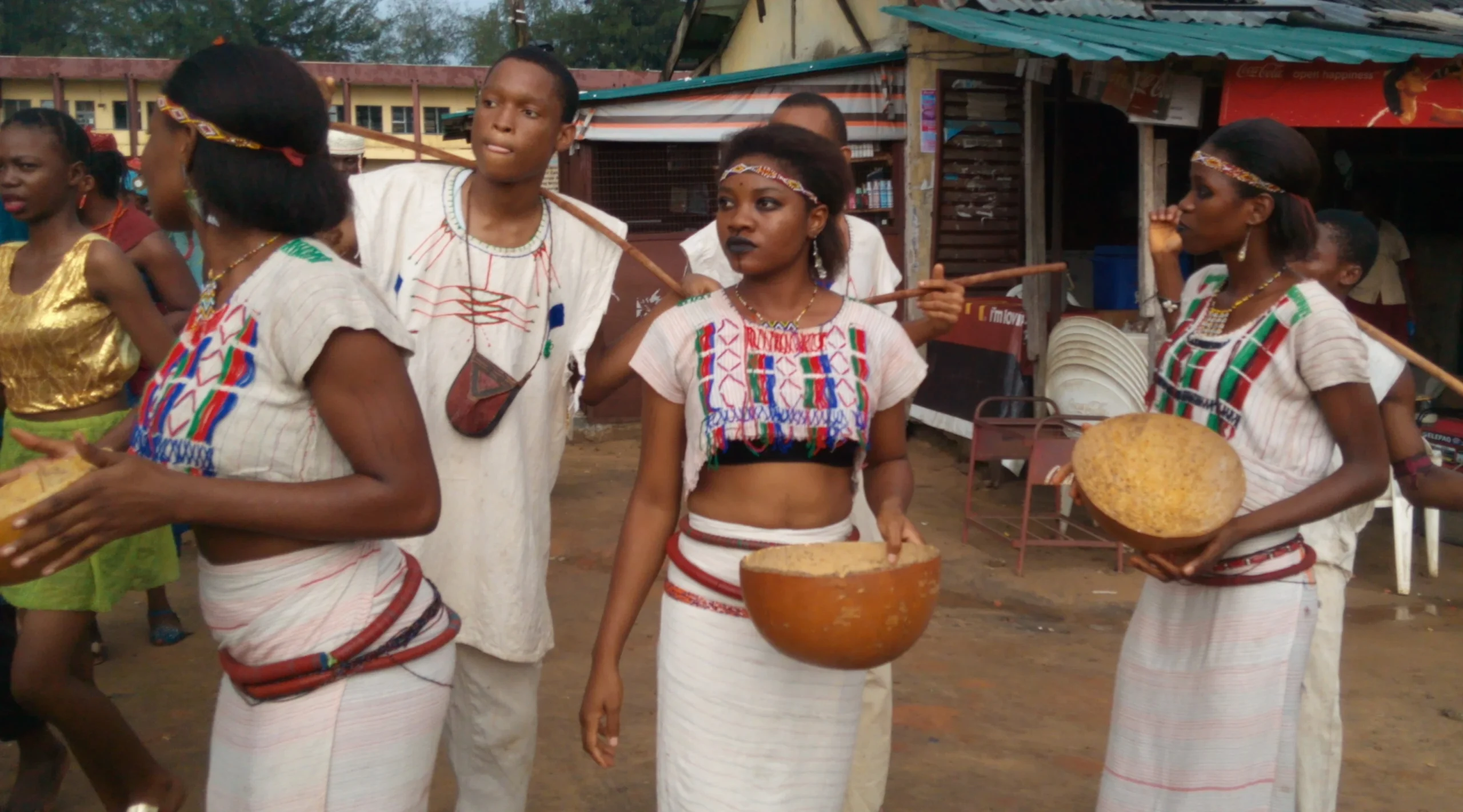
In a feat of apparent superhuman strength, young men in their late teens and early twenties rip trees – often as thick as their own bodies – from the earth and parade through town with the roots hoisted on their shoulders. They are cheered by crowds amid drumming and joyful jesting, a symbolic practice meant to neutralize tension and prevent conflict.
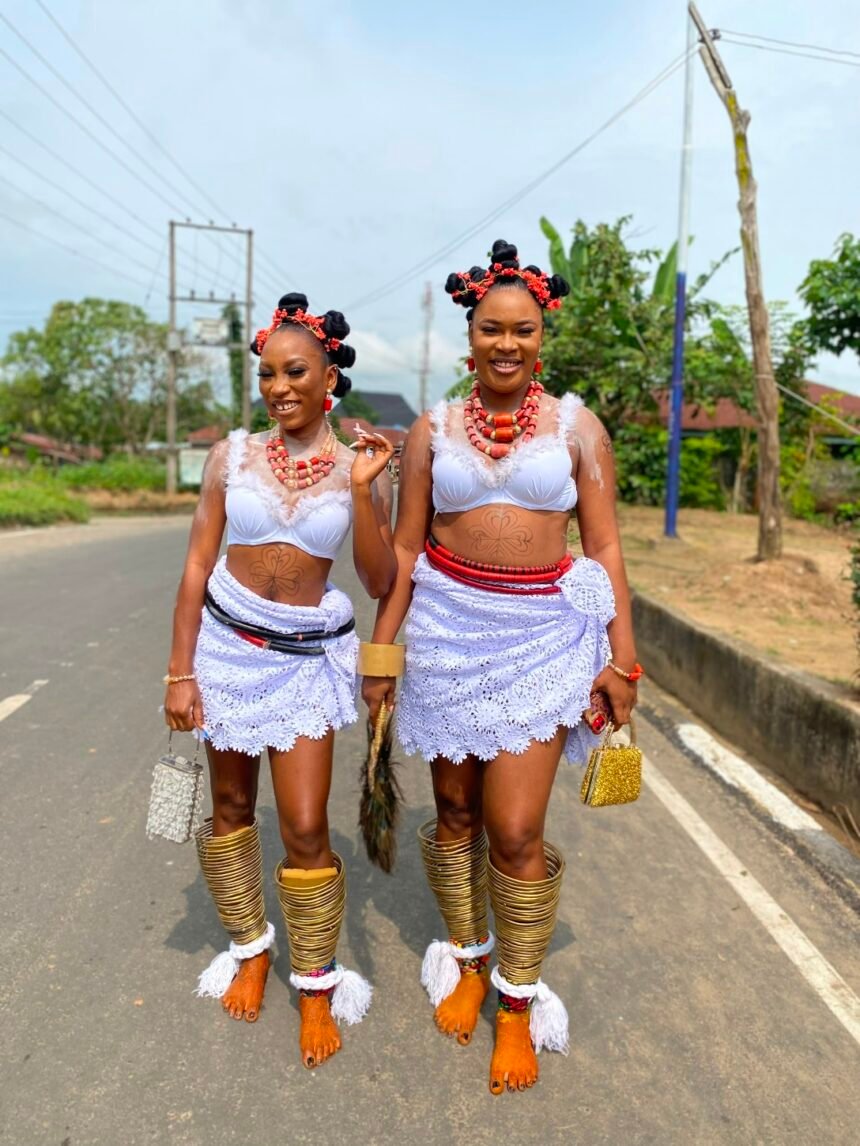
The streets are electric. Leboku maidens, adorned in traditional attire and signature bangles, march in harmony alongside the Yekpi boys. On this day, the touch of a Yekpi boy is believed to confer a blessing – a sign of vitality and ancestral favour.
The celebration climaxes with the crowning of Mr. and Miss Leboku and their runners-up as youth ambassadors of tradition.
Ultimately, Lobo / Yekpi Day remains a living expression of Ugep’s cultural strength – a fusion of physical energy, spiritual consciousness and community unity that, in an age of eroding traditions, affirms the enduring power of a culture rooted in respect, identity and spiritual order.