by Boma West
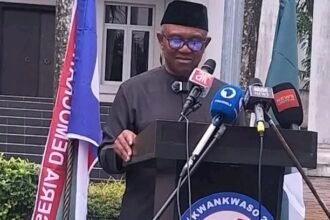
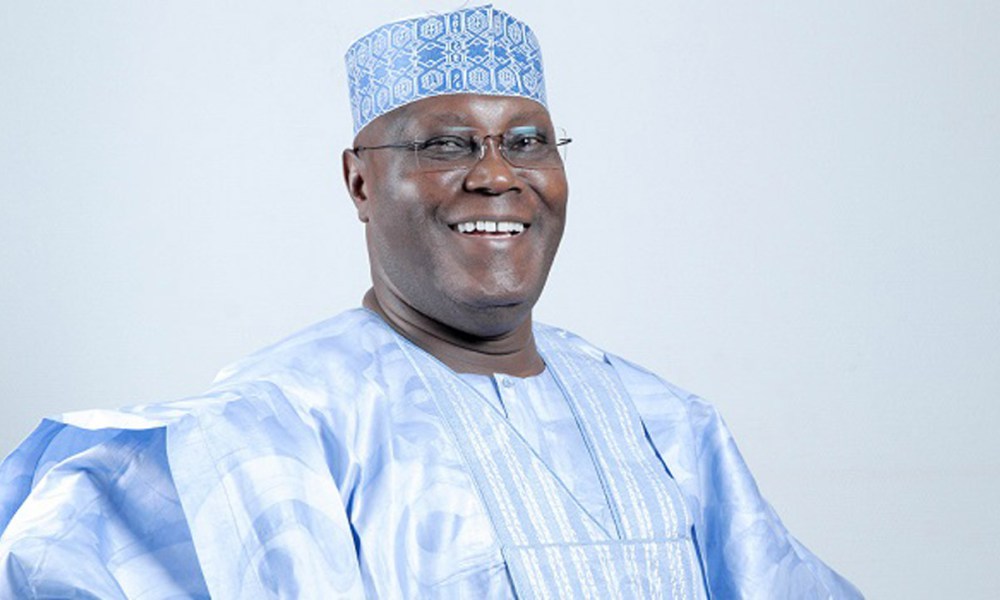
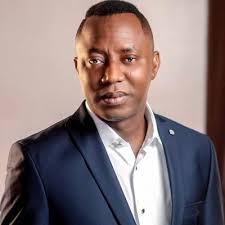
Omoyele Sowore has secured the African Action Congress presidential ticket for the 2027 election, extending a political journey that began in 2019. The activist, journalist, and founder of Sahara Reporters is nothing if not consistent. While most politicians drift between parties chasing relevance, Sowore has stayed in one lane, protest movements and presidential bids, with a discipline that is either admirable or puzzling, depending on who you ask.
His politics have always been loud and confrontational. The 2019 #RevolutionNow protests that landed him in detention put his name on the national map in a way that no campaign rally could. The federal government’s response, arresting and holding him for months despite court orders granting him bail, turned him into a symbol that outlived the protest itself. People who had never heard of AAC suddenly knew Sowore’s name.
The arrests have continued. So have the protests. So have the presidential runs. At this point the pattern is the story.

Within AAC, his position is unquestioned. No primary drama, no internal rebellion, just a clean coronation with the kind of unanimity that would make other party chairmen jealous. Whether that reflects genuine loyalty or a party too small to mount a challenge is a conversation worth having. What is clear is that AAC exists, in the public eye, as an extension of Sowore himself.
The harder question is whether any of it is working. Three presidential elections have come and gone and the results have been distant from power. His 2019 showing was modest. 2023 was not much different. The votes have not translated into the kind of numbers that shift political conversations in Abuja.
The protests, though, tell a slightly different story. They have not toppled governments or rewritten policy in obvious ways. What they have done is keep a certain kind of pressure alive, particularly among young Nigerians who see the political establishment as a closed shop. When #EndSARS exploded in 2020, Sowore was already a recognizable face in that space. He did not lead it, but he was not a stranger to it either. His years of street activism had built a credibility with a generation that treats career politicians with open contempt.
The honest assessment is that his protests have mattered more than his elections. They have documented abuses, pushed stories into the public space through Sahara Reporters, and demonstrated that opposition in Nigeria does not have to wear a suit and negotiate quietly. That is a real contribution, even if it does not come with a presidential sash.
For 2027, the arithmetic remains difficult. Nigeria’s political structure rewards money, ethnic arithmetic, and machine politics. AAC has none of those in meaningful quantities. Sowore’s strength is moral authority and media attention, neither of which have historically been enough to win Nigerian elections.
What seems certain is that he will keep running. For a country that desperately needs people willing to say uncomfortable things out loud, that stubbornness has its own value, even when the ballot box does not agree.