By Okoi Obono-Obla
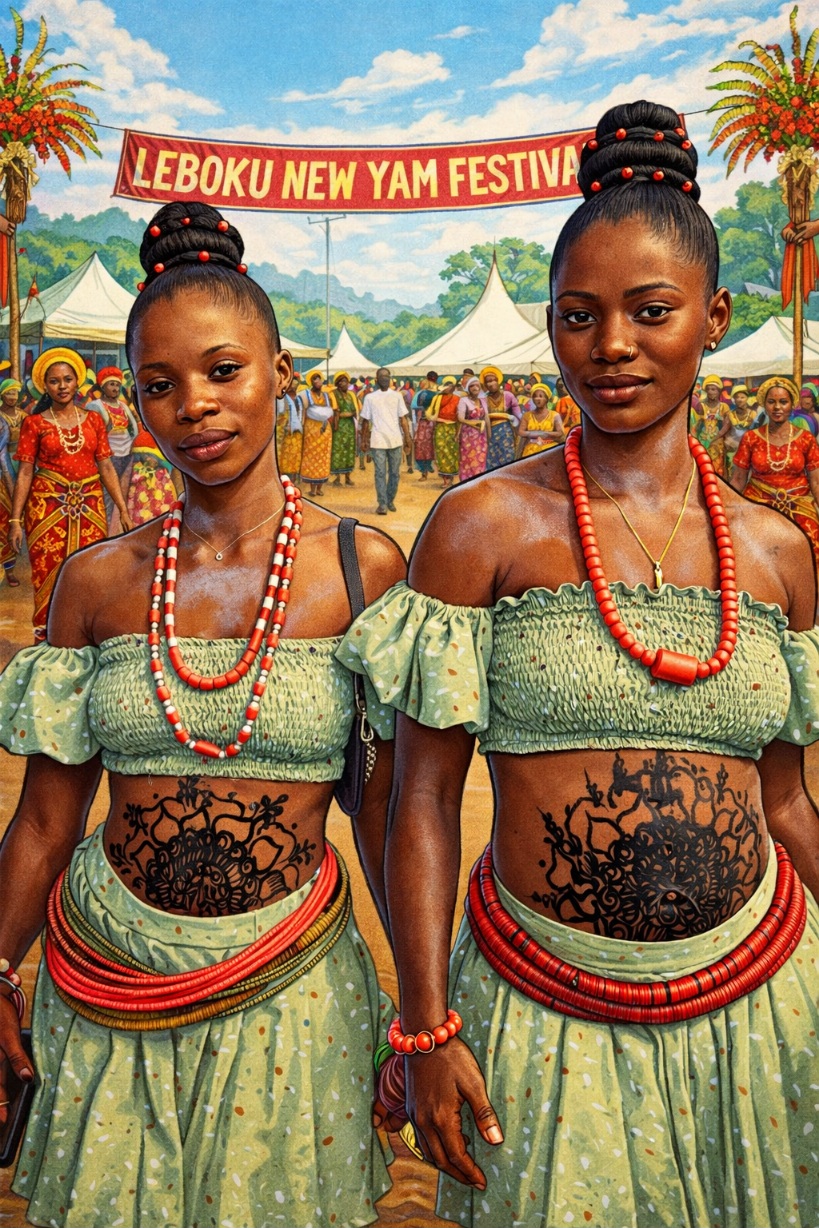
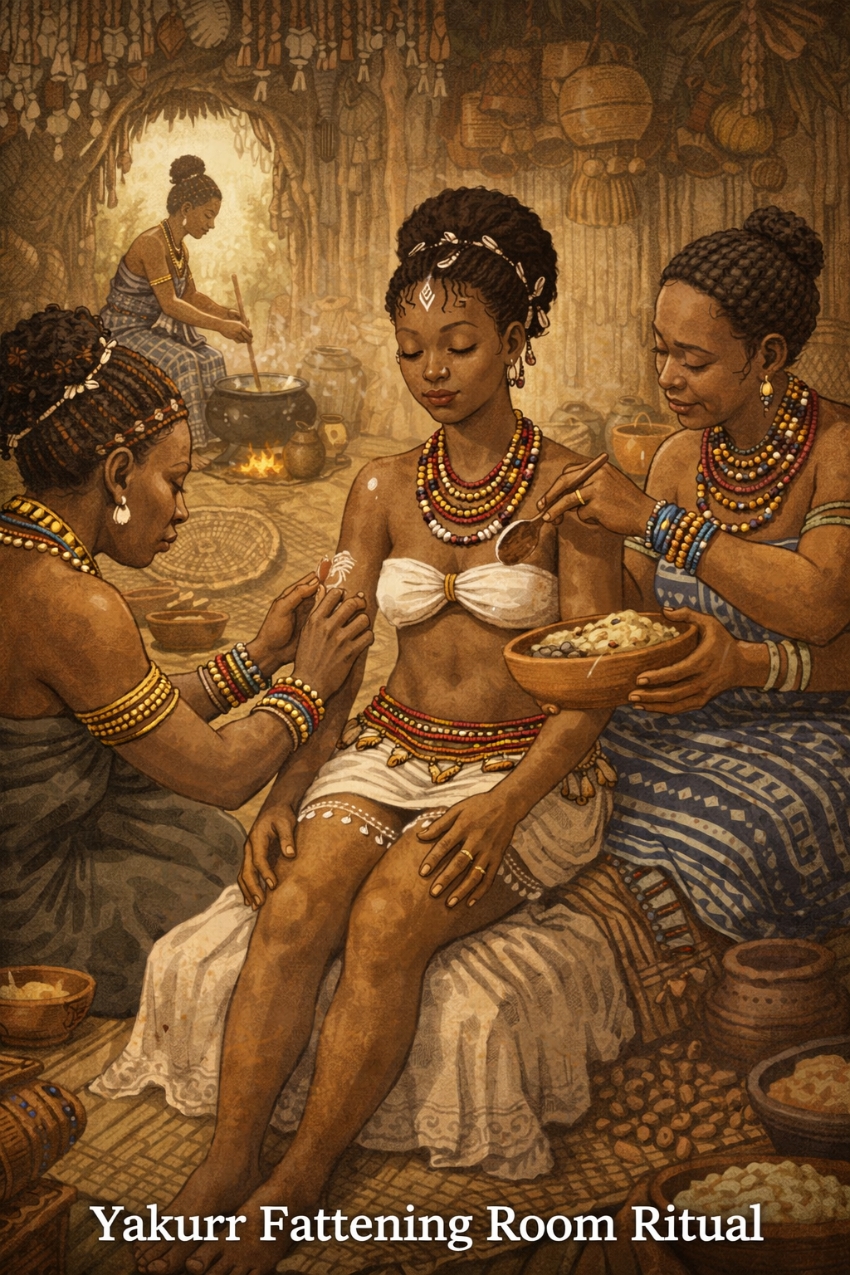
The Fattening Room (Kukpol-pààm) is one of the cultural practices of the Yakurr people of the Middle Cross River Region of Cross River State, Nigeria. Sadly, this tradition is fast disappearing, and may even have gone into extinction due to the dialectical consequences of westernization and Christian evangelism. Many young people today, especially those in their twenties to early forties, may never experience or witness this practice, and some know little or nothing about it.
The fattening room was regarded as the last parental marriage education for the female child — the final classroom before marriage. It was a preliminary program for maidens who were ripe for fertility or soon to be. In Yakurr society, spinsterhood began from ages 6–10 and above, and the fattening ritual was a prestigious rite proudly observed by families.
Elements of Fattening:
– Circumcision (Kukpo): Traditionally, clitoridectomy was part of the process. While some today describe it as genital mutilation, within the Yakurr worldview it was considered integral to the ritual.
– Marriage education: Maidens were taught how to treat their husbands, prepare meals early, work hard to support the home, save and manage resources, and respect the husband as the head of the family.
– Pregnancy rituals: Preparation for fertility and motherhood was embedded in the process.

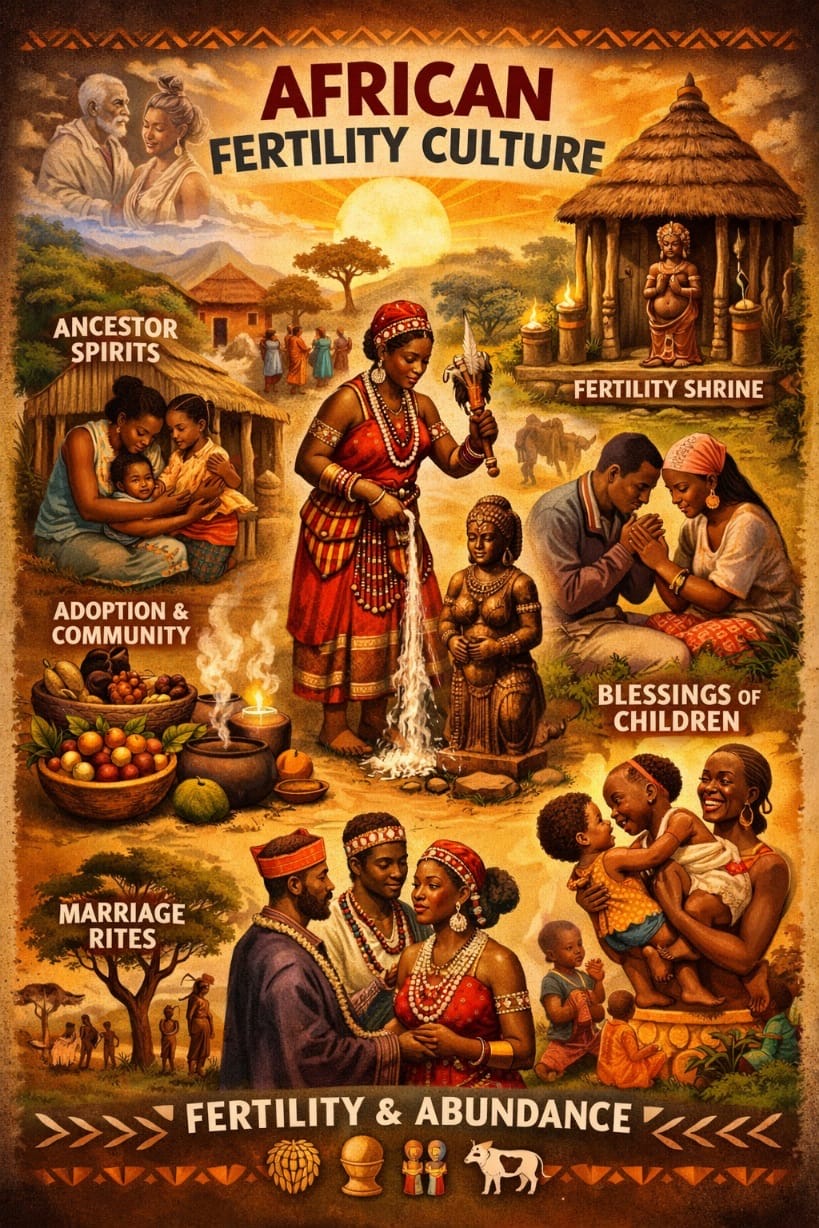
Importantly, fattening was not merely about physical health. It was designed to build the spiritual and mystical life of the female child. After undergoing fattening, the maiden was expected to mature in character, conduct, socialization, and communication. It was believed to bring both physical and spiritual benefits to the individual and, by extension, to society.
Decline of the Practice
Western modernity, colonization, and religious influences have contributed to the erosion of this tradition. What was once considered a divinely established ritual for the betterment of society is now dismissed or forgotten, leaving a cultural gap in the transmission of values and identity.
Conclusion:
The fattening room was more than a ritual; it was a holistic education for womanhood, combining physical, spiritual, and social preparation. Its decline reflects the broader tension between indigenous traditions and modern influences. Preserving the memory of Kukpol-pààm is essential to understanding the cultural heritage of the Yakurr people.
@ Okoi Obono-Obla