By Professor Anthony Ejiofor
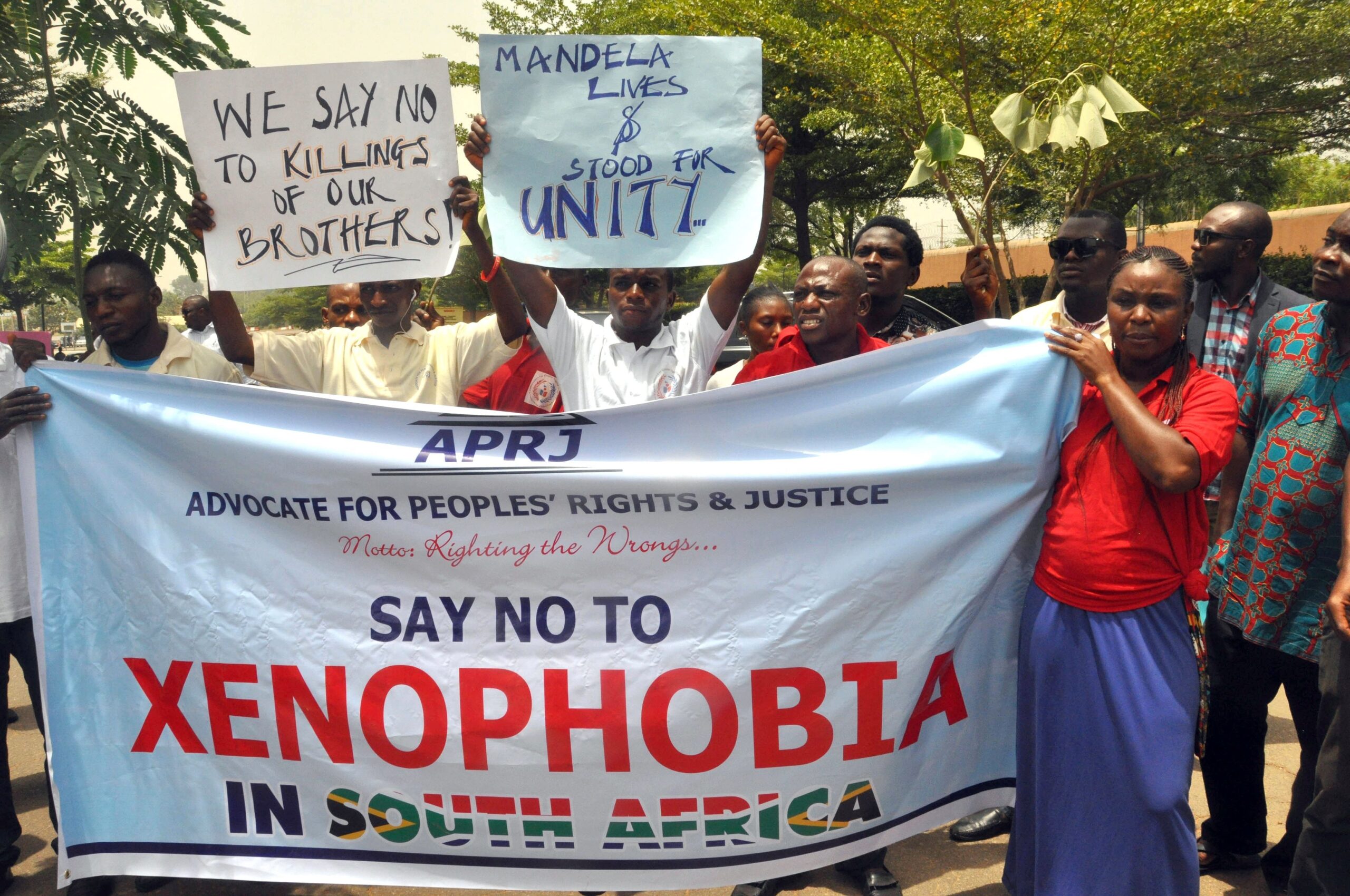
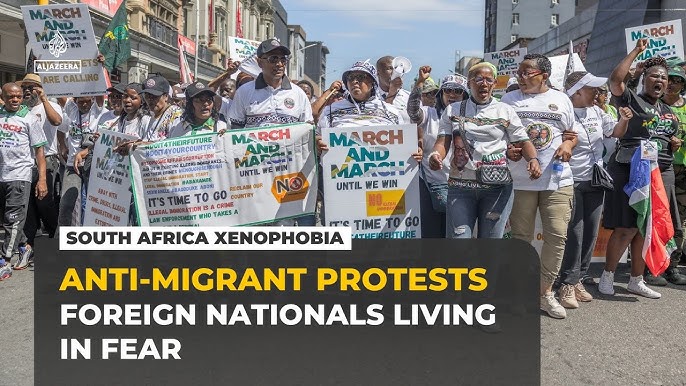
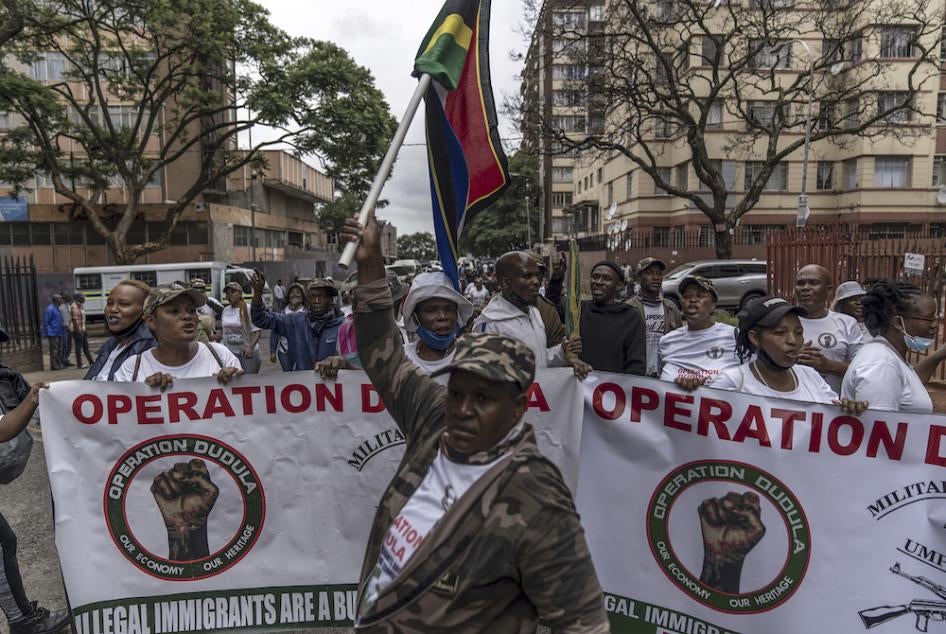
There comes a point when silence becomes complicity and diplomacy begins to look like weakness. The recurring xenophobic attacks against Nigerians and other African migrants in South Africa have once again pushed the African continent toward a dangerous moral and political crossroads. What is unfolding is no longer a series of isolated criminal incidents. It is becoming a sustained pattern of targeted violence, intimidation, looting, arson, and mob persecution against fellow Africans whose only “crime” is seeking legitimate livelihoods in another African country.
For Nigerians living in South Africa, this nightmare has become tragically repetitive. Businesses are destroyed. Lives are threatened. Families live under constant fear. Human beings are hunted in communities where they should have been protected under the banner of African brotherhood and Pan-African solidarity. Each new cycle of violence further erodes confidence in South Africa’s willingness — or ability — to protect foreign African nationals within its borders.
This is one attack too many.

The growing outrage across Africa is understandable because the contradiction is glaring. A country that benefited immensely from the sacrifices, solidarity, diplomatic backing, and economic support of African nations during the anti-apartheid struggle is today becoming associated with recurring anti-African violence within its own borders.
Even more troubling is the dangerous normalization of these attacks. Each new outbreak is followed by official condemnations, temporary calm, promises of investigations, and then another eruption months later. This cycle has become unacceptable. The government of South Africa must understand clearly that continued failure to decisively stop these attacks could carry grave diplomatic, economic, and geopolitical consequences.
Under international law and regional African human rights instruments, every sovereign nation has an obligation to guarantee the safety, dignity, and property of all persons legally residing within its territory. The repeated targeting of Nigerians and other African migrants raises serious concerns under the African Charter on Human and Peoples’ Rights, the United Nations Charter, and other international conventions against discrimination and collective violence.
The world is now watching carefully to see whether South Africa is still committed to the Pan-African ideals it once championed.
Equally alarming are persistent allegations that some local law enforcement personnel either respond too slowly, fail to intervene effectively, or appear indifferent while foreign Africans are attacked. Whether real or perceived, such impressions are devastating. When mobs repeatedly attack migrants with apparent confidence and little fear of consequences, dangerous conclusions are inevitably drawn. Law enforcement agencies cannot afford to appear selective in the protection they provide. Failure to act decisively sends a catastrophic signal that foreign African lives are expendable.
South African authorities must, therefore, answer difficult but unavoidable questions:
The government in Pretoria cannot continue treating these incidents as mere “community tensions” while African migrants increasingly live under siege.
Reports and testimonies emerging from affected communities reveal growing fear and desperation among migrants who increasingly believe they have become convenient scapegoats for South Africa’s deep domestic economic frustrations, unemployment crisis, inequality, and political opportunism. Some observers have repeatedly warned that anti-immigrant sentiments are being exploited by opportunistic political actors seeking populist advantage.
But no economic frustration can justify mob violence, ethnic targeting, looting, arson, intimidation, or murder.
The danger now is that public anger across Africa is rising rapidly. In Nigeria, memories remain fresh of retaliatory protests against South African businesses during earlier xenophobic crises. Some South African-owned businesses became targets of public outrage after graphic reports and images of attacks on Nigerians surfaced.
No responsible observer wants retaliatory violence in Nigeria or anywhere else. But governments must never underestimate the combustible power of public outrage when citizens repeatedly watch their compatriots brutalized abroad while authorities appear ineffective or indifferent. Continued attacks on Nigerians could inflame tensions back home and provoke reciprocal hostility against South African businesses and nationals operating in Nigeria. Such a trajectory would be disastrous for both countries and deeply damaging to African unity.
This is why urgent diplomatic engagement is now essential.
The Nigerian government and the Federal Ministry of Foreign Affairs cannot continue responding with routine statements that quickly fade from public attention. Nigerians deserve to know exactly what steps are being taken to protect their citizens abroad. Has Abuja formally demanded stronger guarantees from Pretoria? Has there been sustained high-level diplomatic engagement? What protection mechanisms exist for Nigerians currently under threat? What legal, humanitarian, evacuation, or compensation arrangements are being prepared?
Recent reports indicating that many Nigerians have already requested repatriation assistance because of fears arising from the latest tensions should alarm every serious government official in Abuja.
The contrast with the actions of some other African countries is becoming increasingly noticeable. Nations such as Ghana have demonstrated visible urgency in defending the welfare and dignity of their citizens abroad through direct diplomatic engagement and emergency protective measures. Nigerians expect no less from their own government. A nation that projects leadership across Africa must also demonstrate unwavering commitment to the protection of its people wherever they may be.
Nigeria is not merely another African country. It is one of the continent’s largest economies and one of South Africa’s most important continental partners. Continued attacks against Nigerians risks undermining diplomatic goodwill, economic cooperation, regional integration efforts, and people-to-people relations built over decades.
Most importantly, these attacks threaten the very soul of African unity.
Pan-Africanism cannot survive as empty rhetoric recited at continental summits while ordinary Africans are hunted in African streets by fellow Africans. African integration cannot flourish where fear, hatred, scapegoating, and mob violence dominate public discourse.
South Africa now stands at a moral crossroads.
It can either decisively crush xenophobic violence, prosecute offenders, discipline negligent officials, protect vulnerable communities, and restore confidence in the rule of law — or continue down a path that could permanently damage its continental reputation and trigger wider African resentment.
The choice must be made now.
Before anger overtakes diplomacy.
Before fear destroys African solidarity.
Before reciprocal hostility spreads across borders.
Before Africa begins to consume itself from within.
Prof. Anthony Ejiofor is an academic, public intellectual, and community leader engaged in issues of governance, development, and the future of Nigeria and Africa.