by Dr S. Ekemode-Ajaga
The Fulani power bloc remains Nigeria’s most enduring political force since independence. The Yoruba interregnum under Ernest Shonekan was a default arrangement to placate the South-West. Olusegun Obasanjo’s 1999 emergence followed the same pattern, and his second term visibly favored Northern and South-Eastern interests. This says nothing of June 12 and M.K.O. Abiola’s death, which denied the Yoruba a legitimate presidency.
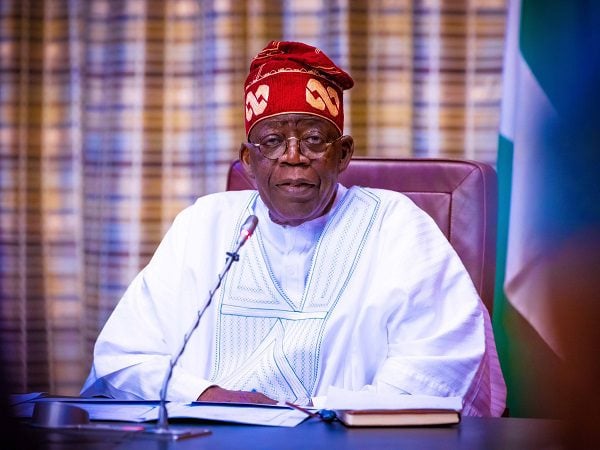
History records that when the Igbo political class aligned with the North against Yoruba interests in the 1960s, the North turned to the Yoruba military establishment to resolve the Biafran crisis. The Yoruba were thus decisive in preserving Nigeria’s unity. Today we have a bona fide Yoruba president making genuine efforts, yet public discourse drowns in partisan outrage instead of unified demands for accountability from the entire political class.
We cannot afford historical amnesia. The insecurity crippling Nigeria bears the imprint of Fulani design. Their patriarch may not occupy Aso Rock, but their hegemony persists through entrenched networks. We must also remember the relocation of the capital from Yorubaland to Abuja — initiated by Murtala Muhammed, advanced by Obasanjo, completed by Babangida. A process conceived and executed by Fulani leadership. I concede it eased Lagos’s congestion. But you can move the capital, not the resources. Lagos still prospers, thanks to the governance template and Eko Atlantic vision pioneered under PBAT.

Critique of governance must be driven by rigor, not reflex. Replace blind accusations with corrective, constructive alternatives. To those rejecting a second term for PBAT: present a viable alternative. Who among today’s contenders is better prepared to govern now? Sentiment must yield to pragmatism.
I would prefer a younger, competent Yoruba technocrat with the will to dismantle Boko Haram and fix hunger, power, gas, and infrastructure. For now, that is aspirational.
I have no appetite for renewed Igbo political brinkmanship, nor for the return of Fulani hegemony. The Fulani, in my view, remain exogenous to Nigeria’s core project. The only Northern bloc I recognize as indigenous stakeholders are the Hausa — grossly marginalized, yet never having produced a Head of State despite their numbers.
Let us be wise. Let us be critical. And let us be honest about where we were yesterday, where we are today, and who can lead us tomorrow.