by Boma West
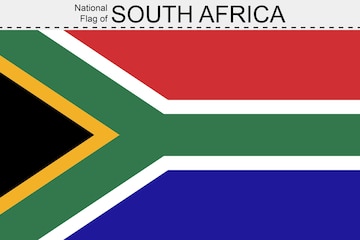
There are moments in history when a nation reveals its character not in grand political chambers, not through the speeches of its leaders, nor through the declarations it signs at international summits. It reveals itself at the school gate. South Africa is having one of those moments, and it is a deeply troubling one.
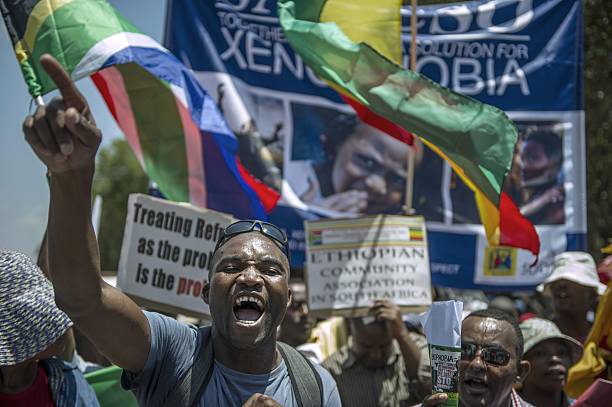
Reports of South African nationals marching on primary schools to forcibly remove children from other African countries have sent a chill across the continent. These are children. Children carrying school bags, sitting in classrooms, trying to learn. The targeted removal of foreign African children from educational spaces is not a policy position. It is a wound inflicted on the most defenseless members of society, and its scars will last for decades.
A child who was driven from a classroom at age seven does not forget that humiliation. That child grows up.

The psychological weight of such an experience is enormous. Imagine being seven years old, sitting at your desk, and suddenly adults arrive, not to teach you, not to protect you, but to tell you that you do not belong there. The damage to a child’s sense of safety, identity, and belonging is incalculable. These are not statistics. These are real children, with real futures, now shadowed by a real trauma that no amount of apology will easily erase.
South Africa must be reminded that the African continent has a long, painful memory. The nations whose children are being turned away from schools are the same nations that opened their doors to South Africans during the long, suffocating years of apartheid. Zambia, Tanzania, Mozambique, Zimbabwe, Angola — these countries harbored South African freedom fighters, gave shelter to exiled families, and sacrificed their own stability in solidarity with a people who were suffering. The moral debt owed to the rest of Africa is not a small one.
The economic dimension of this unraveling relationship deserves equal attention. South African businesses have spread their roots deep across the continent. Retailers like Shoprite and Pick n Pay stock shelves in countries from Nigeria to Uganda. Standard Bank operates across seventeen African nations. Mobile operators, insurance firms, fast food chains and construction companies. South African capital flows freely through the very countries whose children are now being expelled from classrooms. The consumers keeping these businesses profitable are the same people watching these videos in horror. Goodwill, once spent, is not easily restocked.
There is a growing body of opinion across African capitals that reciprocal action may become necessary. Nigeria has already demonstrated, more than once, that it is willing to close its market to South African brands when the relationship is disrespected. Other governments are watching, calculating, and speaking among themselves. Trade agreements, investment protections, and the soft power that South Africa has worked to build since 1994 are all quietly on the table. A nation cannot treat its neighbors’ children as threats and expect its businesses to be welcomed in their markets.
What makes this particularly difficult to accept is the symbolism of the school. Education is the one institution that virtually every culture on earth agrees is sacred. To politicize it, make it a theater of exclusion, send ordinary citizens, not police, not immigration officers, but residents, to remove children from their desks, is to cross a moral line that most of the world had hoped was crossed only in darker chapters of history.
South Africa’s government must do more than issue statements. It must act swiftly, clearly, and with visible consequence for those who participated in these actions. The protection of children, regardless of their nationality, is not optional. It is not negotiable. Every child in South Africa, whether born in the country or brought into the country, has the right to sit in a classroom without fear.
The continent is watching. Investors are watching. History, as it always does, is taking notes. South Africa’s greatest strength has always been its potential to lead and to model what a free, democratic, multi-ethnic society can achieve on African soil. Right now, that reputation is being dragged through the dust.