
by Eric Aghadiuno Ph.d
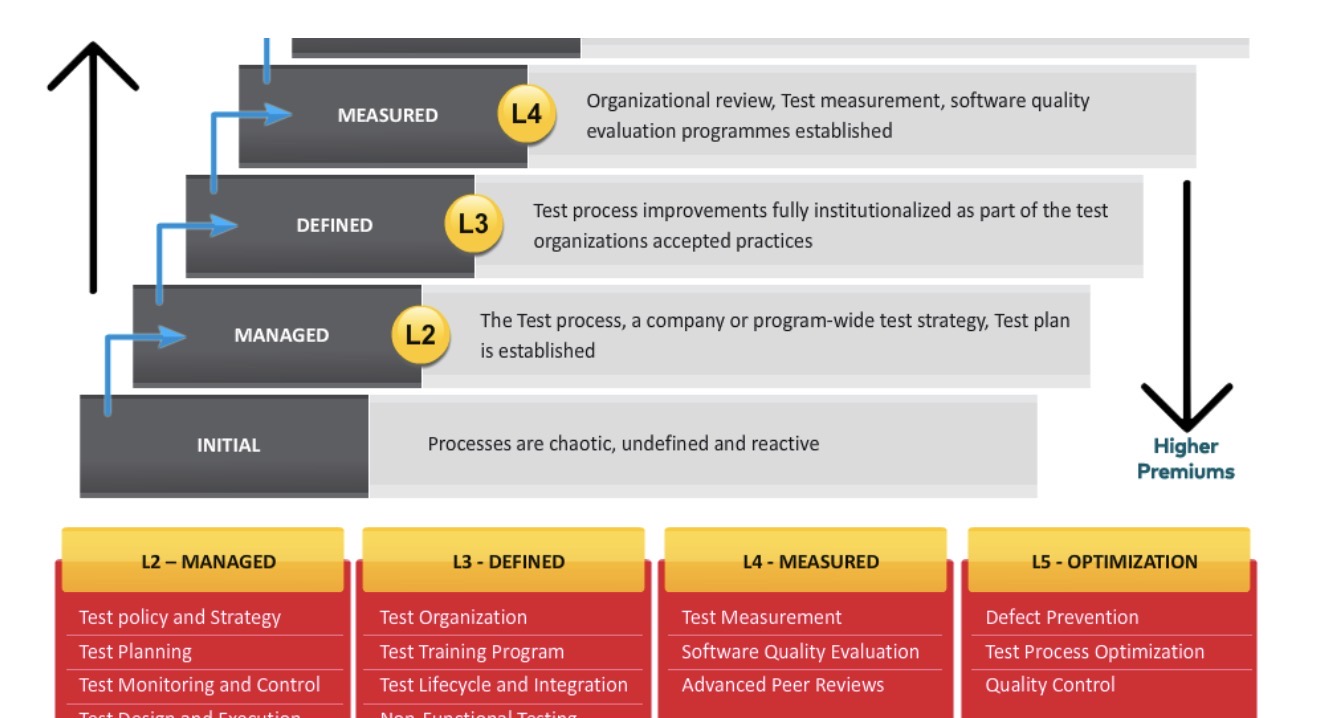
In January 2023, my friend Edward Nsah shared an article that piqued my interest and led me to believe that the future of cyber insurance will likely depend on a maturity model that is unique to the industry and will serve as a guide for how much organizations pay in premiums.
The number of cyber threats and attacks has grown exponentially in recent years. This has put cybersecurity at the top of the list of business concerns. Organizations of all sizes and in all industries are becoming increasingly aware of the need for robust cybersecurity measures to safeguard their sensitive data, systems, and operations from cyber threats. Cyber insurance has emerged as one of the most important risk mitigation strategies for businesses, allowing them to transfer the financial burden of a cyber attack to an insurance company. However, the complexity of cyber risks and the ever-changing threat landscape make it difficult for insurers to accurately assess their clients’ risk exposure and determine the appropriate coverage and premiums. This is where CMMI for cyber insurance can play a crucial role.
CMMI is a framework that provides a structured approach to assess the maturity of an organization’s processes and practices across different areas, such as software development, project management, service delivery, risks, and security posture. It helps organizations identify their strengths and weaknesses and provides a roadmap for continuous improvement. CMMI has been widely used in the software and technology industry to assess and improve the quality and maturity of software development processes. However, with the increasing importance of cybersecurity, CMMI has also been applied to assess the maturity of an organization’s cybersecurity practices.

The need for a CMMI for cyber insurance arises from the unique challenges and complexities associated with cyber risks. Unlike traditional risks, such as fire or theft, cyber risks are dynamic and constantly evolving, requiring insurers to have a deep understanding of an organization’s cybersecurity posture to accurately assess the risk exposure. A CMMI for cyber insurance can provide a standardized framework for insurers to assess an organization’s cybersecurity maturity, and, in turn, determine appropriate coverage and premiums.
One of the key benefits of implementing a CMMI for cyber insurance is the ability to assess an organization’s cybersecurity posture objectively. By evaluating an organization’s cybersecurity practices against predefined maturity levels, insurers can gain a clear understanding of the organization’s strengths and weaknesses. This can help insurers identify potential coverage gaps, provide targeted recommendations for risk mitigation, and offer appropriate coverage and premiums that align with an organization’s cybersecurity maturity level.
Another benefit of a CMMI for cyber insurance is the potential for improved risk management. Organizations can use the CMMI framework as a roadmap to identify areas where their cybersecurity practices can be improved, and implement measures to strengthen their cybersecurity posture. Insurers can also use the CMMI assessment results to provide feedback and recommendations to organizations on how to mitigate risks and reduce the likelihood of a cyber attack. This can result in more informed risk management decisions and ultimately reduce the overall risk exposure of both the insured organization and the insurer.
Furthermore, a CMMI for cyber insurance can enhance transparency and trust between insurers and their clients. Organizations can have confidence that their cybersecurity posture is being objectively assessed against industry best practices, and insurers can have a standardized approach to evaluate an organization’s cybersecurity maturity. This can lead to more accurate and fair pricing of cyber insurance policies based on an organization’s actual cybersecurity capabilities rather than generalized assumptions.
In conclusion, the increasing importance of cyber insurance as a risk mitigation strategy for businesses calls for a standardized approach to assessing the cybersecurity maturity of organizations. A Capability Maturity Model Integration (CMMI) for cyber insurance can provide a structured framework for insurers to evaluate an organization’s cybersecurity posture objectively, offer targeted recommendations for risk mitigation, and provide appropriate coverage and premiums.
Implementing a CMMI for cyber insurance can enhance risk management practices, improve transparency and trust between insurers and their clients, and ultimately contribute to a more resilient and secure cyber insurance market. As cyber threats continue to evolve, the need for standardized frameworks like CMMI for cyber insurance becomes increasingly relevant in ensuring effective risk management and protection against cyber risks.