Towards a Seamless Hajj Operation – What States Must Do
By Abdullahi O Haruna (Haruspice)
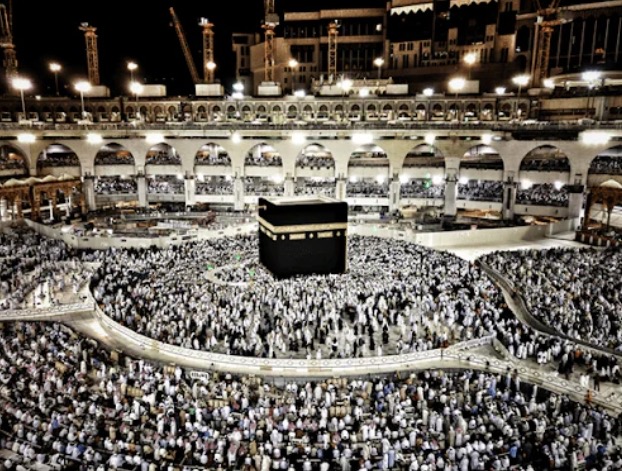
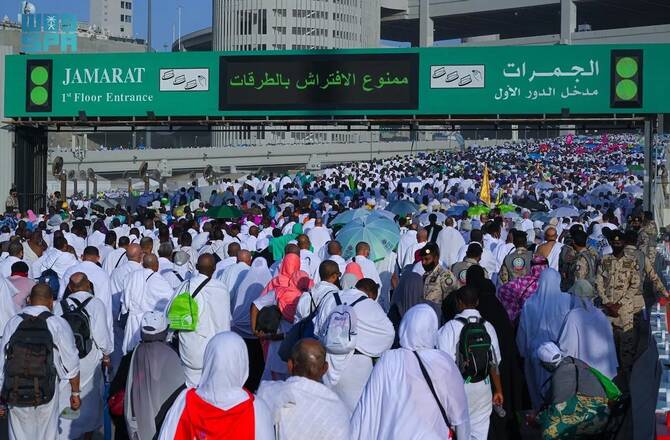
Each year the Hajj stands as one of the world’s most intricate logistical undertakings. Within a matter of days, more than two million pilgrims converge on the holy cities of Makkah and Madinah to perform rituals that blend deep spiritual devotion with considerable physical strain. Yet the pilgrimage of 2026 is likely to feel different. Saudi Arabia has introduced a stricter set of medical regulations, signalling a shift toward a more clinical, data-driven and preventive approach to managing the gathering.
Behind the reforms lies a blunt calculation: faith may inspire the journey, but physiology ultimately determines whether it can be safely completed. In an age of rising temperatures, ageing pilgrim populations and ever-larger crowds, health has become the decisive variable in the success—or failure—of the Hajj.

For countries such as Nigeria, which dispatch tens of thousands of pilgrims every year, the implications are not merely administrative. They are reputational.
Saudi Arabia’s revised medical framework for the 2026 Hajj rests on three elements: proof of medical fitness, strict vaccination compliance and tighter screening at entry points. Prospective pilgrims must now obtain certified medical clearance confirming they are physically capable of enduring the demanding rites of the pilgrimage.
Certain chronic conditions automatically disqualify applicants. Severe heart, lung and kidney diseases, advanced chronic illnesses and neurological or psychiatric disorders that could impair judgement or mobility fall into this category.
This marks a clear departure from tradition. Historically the Hajj welcomed believers regardless of age or frailty, provided they could travel. Today Saudi authorities increasingly regard unmanaged chronic illness not simply as a personal risk but as a systemic one. In tightly packed crowds, a single medical emergency can quickly ripple outward, straining already complex logistical systems.
Vaccination rules are equally firm. Proof of the meningococcal ACWY vaccine remains compulsory, while additional immunisations—such as influenza or COVID-19 vaccines—may be required depending on global health conditions. What some pilgrims perceive as bureaucratic formalities are in fact public-health guardrails designed to protect millions of people moving through confined spaces.
The tightening of these rules cannot be separated from the increasingly hostile environmental conditions under which the pilgrimage is conducted. In recent years temperatures during the Hajj have regularly exceeded 40°C. Heat exhaustion and heatstroke have emerged as some of the most persistent medical threats.
Elderly pilgrims and those with diabetes, hypertension or cardiovascular disease are particularly vulnerable. During past pilgrimages hundreds of thousands required treatment for heat-related illnesses despite the extensive healthcare infrastructure Saudi Arabia deploys across the holy sites.
The conclusion drawn by Saudi planners is straightforward. Medical preparedness cannot begin when pilgrims land in Jeddah. It must begin months earlier, in the countries from which they depart. Hence the insistence on strict pre-departure screening.
The kingdom’s broader management of the pilgrimage increasingly reflects the habits of modern technocracy. Digital platforms now track pilgrim registration, vaccination records and biometric identification. Integrated health records and smart medical cards allow healthcare workers to retrieve a pilgrim’s medical history almost instantly during emergencies.
Saudi authorities have also introduced a 90-day health insurance scheme covering international pilgrims during their stay. These measures form part of a wider modernisation effort under the kingdom’s Vision 2030 reforms. The implication is unmistakable: the Hajj is no longer merely a spiritual congregation. It is one of the world’s largest regulated mass gatherings, governed by sophisticated public-health protocols.
For Nigeria, one of Africa’s largest Hajj contingents, the new regime raises the stakes. Saudi authorities have made it clear that the responsibility for screening pilgrims rests primarily with their countries of origin. Should medically unfit pilgrims arrive at Saudi entry points, the consequences could extend beyond simple deportation.
Officials who certify unfit pilgrims may face sanctions, including expulsion from the kingdom and long-term entry bans. The reputational implications for Nigeria would be considerable. A pattern of rejected pilgrims would not merely disrupt travel logistics; it would cast doubt on the credibility of the country’s pilgrimage management system.
There are signs that Nigeria’s Hajj administration understands the changing terrain. The National Hajj Commission of Nigeria (NAHCON) has introduced reforms aimed at tightening coordination and oversight. Among them is the creation of a real-time Hajj situation room designed to monitor the entire preparation process—from visa issuance to logistical deployment. Earlier visa processing and greater reliance on digital oversight also suggest a move toward more disciplined administration.
Yet efficiency alone will not be enough. The success of the new system will depend largely on the integrity of medical screening.
In Nigeria most pilgrims are processed through state pilgrims’ welfare boards, making state governments the first line of compliance with Saudi health regulations. This responsibility now demands a more rigorous approach than in previous years.
Medical examinations must become more thorough, involving qualified medical professionals and independent health institutions where necessary. Routine checks will not suffice; detailed cardiovascular, metabolic and respiratory assessments should become standard practice.
Equally important is the digitisation of medical records. Electronic documentation would allow authorities to verify health reports and reduce the possibility of questionable certifications. Just as critical is communication. Many intending pilgrims may not realise that severe hypertension, uncontrolled diabetes or organ failure could disqualify them from travel under the new rules.
Without such awareness, unpleasant surprises at Saudi entry points will be inevitable.
The prospect of pilgrims being turned back at Saudi airports is more than an administrative inconvenience. It would be a national embarrassment. One can easily imagine the scenario: a pilgrim arrives in Jeddah, fails a health screening and is immediately repatriated—possibly alongside the medical officials who cleared them for travel.
Such an incident would expose systemic weaknesses in Nigeria’s screening procedures. Avoiding it requires close coordination between NAHCON, state pilgrims’ boards and public-health authorities across the country.
The task is not insurmountable. It simply requires seriousness.
The Hajj has always been a test of faith, endurance and patience. But in the modern era it is also a test of institutional competence. Managing millions of people under extreme climatic conditions demands the same discipline applied to global sporting events or major public-health operations.
Saudi Arabia’s new medical regulations reflect that reality. For Nigeria the message is straightforward. Pilgrimage administration can no longer rely on tradition or routine. It must rest on scientific screening, strict compliance and responsible governance.
If the states rise to the challenge, the 2026 Hajj can proceed smoothly and with dignity. If they do not, the consequences will be swift and visible.
In the end, a seamless Hajj operation is not only about logistics. It is about protecting the wellbeing of pilgrims—and safeguarding the reputation of the nation that sends them.
Seamlessly musing