Great Imo Jonathan
There is a difference between holding office and commanding respect. In Nigeria’s history, some presidents were loved, some were feared, but a few earned something rarer; prestige. Prestige is not given by the Constitution, it is earned by integrity, competence, and the moral authority to lead.
Three years into the administration of President Bola Ahmed Tinubu, that prestige is missing. And its absence is being felt both at home and abroad. Prestige begins at home. A government earns it when citizens sees a leader with moral courage and feel his sacrifice to improve the lives of the people and image of his country globally.
But for Tinubu, it is a presidency gotten from the backdoor, through INEC glitch without shame and without sense of responsibility to the people. Then it has been a presidency of scandals, budget padding, fake agencies, missing revenues from source according IMF, unbudgeted spending, missing trillions, no budget reporting, no tenders no bidding for award of contracts, inflated contracts and outright stealing. Despite being the President, he behaves like a hustler who is seeking wealth and recognition by all means to validate himself. Such a manifest character of people with deprived childhood and low self esteem.

This is compounded by his past records relating to narcotics case in the United States of America, forged school certificate and lying on oath. This has led to hiring lobbyists with millions of dollars to help in covering up for him.
Yet his records have become contents on international media platforms in America, India, Europe and across Africa. It is so much so that it makes the world belittle Nigerian President on international platforms. They look at the President with suspicion and disrespect anytime he appears on the international scene. Such that it brings shame on Nigerians home and abroad.
But one would have thought that this will inspire him to do something to remedy his shameful situation. But he does not. It is either he is living in his own bubble or he has lost his sense of shame. Otherwise he could have recovered some prestige by pursing accountability in his government. Probe and punish corruption in MDAs publicly, no matter whose ally is involved.
He would have made his appointments based on results, not just politics. Let performance be the headline.
He would have honoured the sacrifices of Nigerians and the benefit of doubt given to him by Nigerians irrespective of his coming to power through the back door. He should have reasoned that if Nigerians must pay more, they must also see more in power, security and jobs
Instead, in the execution of his so called reforms he created immediate hardship, inflation hit 34% in 2024, food prices doubled and the naira moved from ₦460/$ to over ₦1500/$. In dollar terms, Nigeria’s GDP fell from $476.5bn in 2022 to $195bn in 2025.
That is not growth, that is pushing people into pain. And when pain is not clearly linked to visible results stable power, working hospitals, safe roads people stop believing.
Compounding this are repeated public concerns over appointments and the conduct of some of his appointees. When government is perceived as recycling political loyalists with baggage instead of technocrats with track records, it signals that loyalty matters more than competence. That also kills prestige.
And that is actually what compounded his moral standing on the International scene. Not forgetting that prestige is also how the world sees you.
Since 2023, Nigeria has been in the news abroad mostly for a contested rigged election, records of President’s forged certificate, drug dealing history, corruption and heated debates over presidential documents. Whether or not those debates are resolved in court, the constant litigation and social media wars have reduced the office to a subject of controversy rather than authority.
World leaders respect strength, predictability, and moral weight. When a country’s leader spends more time defending legitimacy than negotiating trade and security, the country’s leverage drops. That is why foreign investors ask for higher risk premiums and why Nigeria’s voice in AU, ECOWAS, and G20 conversations sounds weaker than its population and GDP should command.
And the problem is not only with his past but what he has refused to do. History is kind to leaders who transform. In the book Forced Into Glory, Abraham Lincoln is used as an example. He came from a nation built on slavery and compromise. Yet once in power, he chose a harder path, he used the office to abolish slavery and preserve the union. He left with more honour than he came in with.
That is the test of prestige. It is about whether you used power to rise above yourself. Like we can see with some governors who may not have been respected when they took power because of their background. But once in power they are working hard to remedy it. Example is the current governor of Enugu State.
President Tinubu has done the opposite. Instead of using the bully pulpit to fight corruption aggressively, we have seen tolerance for waste, inflated contracts and agencies accused of being vehicles for patronage.
His reputation is sinking further as he has now declared that “all is fair in politics,” because he fears that he has lost the people totally and he is desperate to remain in power. Signalling the complete abandonment of principle. And principle is the currency of prestige.
Unfortunately President Tinubu seems not to understand that position is not the same as honour. Because I have heard his supporters say “but he is President”. He thinks that alone commands respect.
That actually confuses title with influence. A wealthy kidnapper has money but not honour. A dictator can stay in power for decades but dies without respect. Hitler and Idi Amin held office but history remembers them for infamy, not prestige.
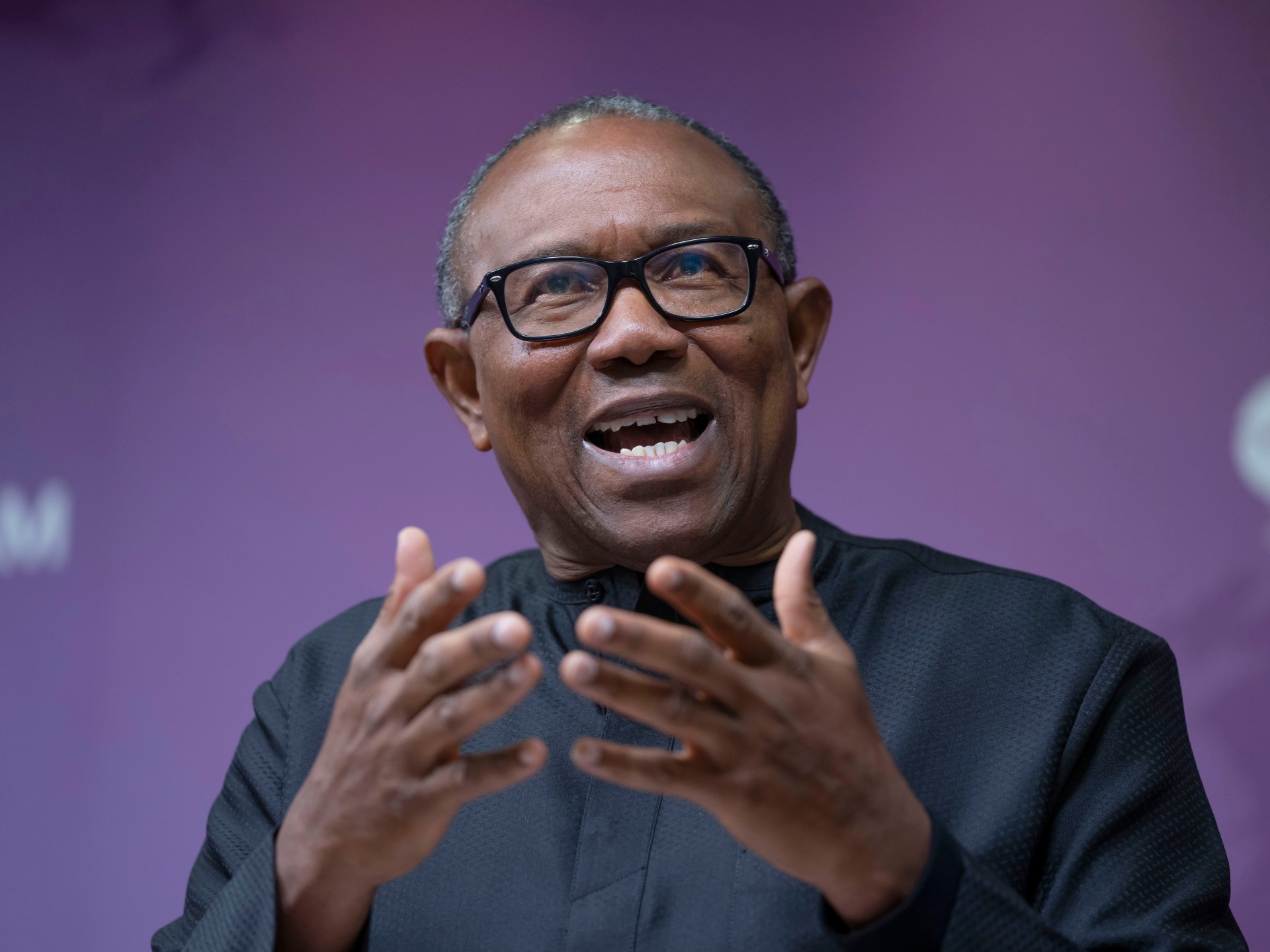
Prestige is influence, positive impact, integrity or moral example. That is what you see when you see Peter Obi. It is what makes people listen even when you are no longer in office. Without it, tenure is just occupation.
Until then, this will be remembered as a presidency that had power, but not prestige. And in the long archives of history, that is the difference between being mentioned and being honoured.
Great Imo Jonathan