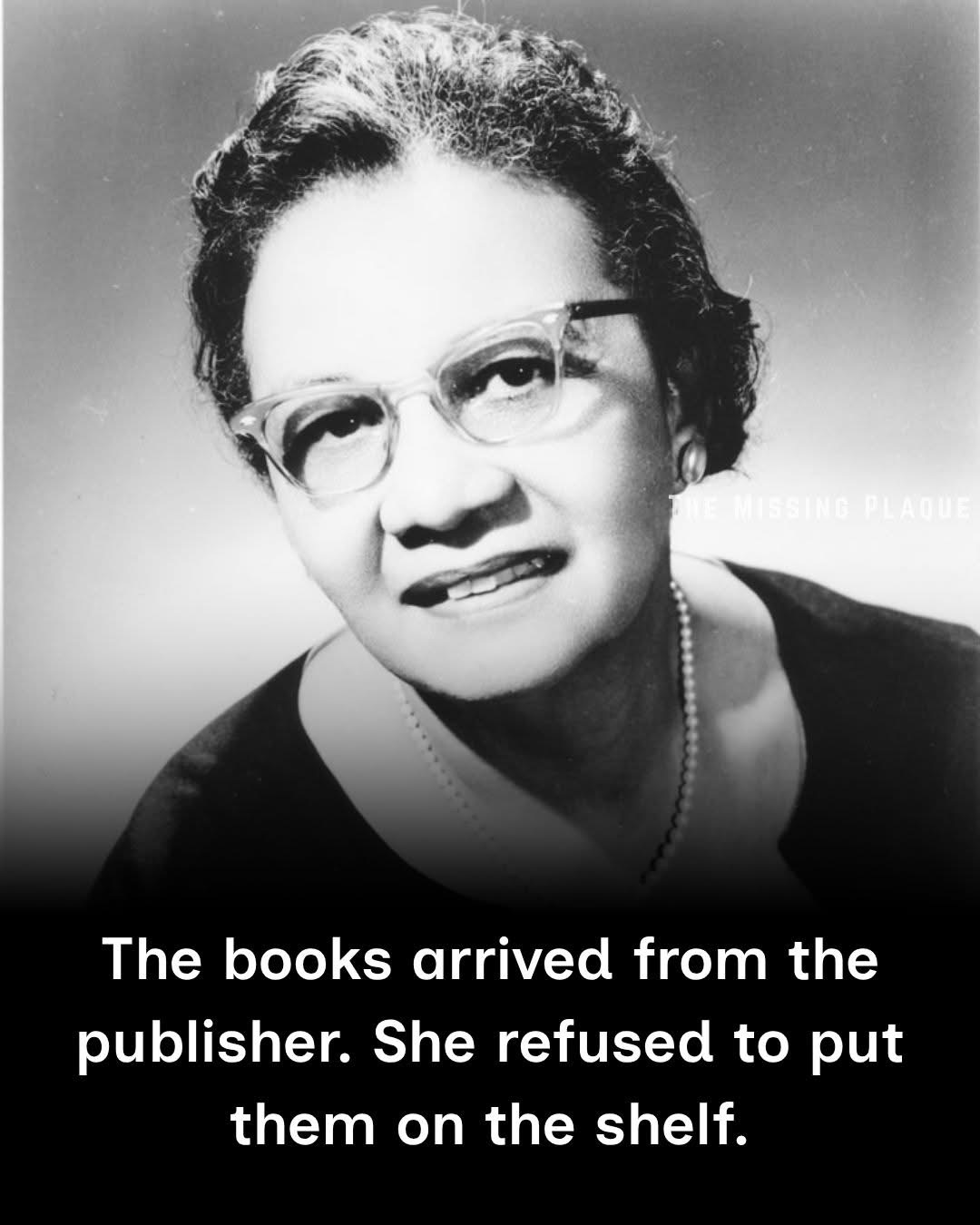
Charlemae Hill Robins
In 1932, a forgotten Black librarian in Chicago looked at the children’s books on her shelves. Every page was an insult.
The George Cleveland Hall Branch was new. It sat on South Michigan Avenue. It was the first library in the city built specifically for a Black neighborhood.
Charlemae Hill Rollins was the children’s librarian. The city sent her the standard inventory. She opened the boxes and looked at the covers.

Exaggerated lips. Broken English. Ragged clothes. Bare feet. The standard commercial depictions of Black life.
She watched the neighborhood children walk through the doors. They were looking for stories. She realized she was handing them poison.
She started pulling books off the racks. She pulled so many that the children’s section began to look abandoned. There was almost nothing left to lend.
At the time, major American publishing houses operated under a rigid commercial consensus. Industry guidelines assumed that books featuring dignified Black characters would not sell in Southern states. To maintain national distribution, publishers standardized caricature. They printed dialect as a default, shipping the same editions to Northern libraries without alteration.
The library system evaluated branches based on circulation numbers. Empty shelves meant low circulation. To succeed at her job, she needed to distribute the books the publishers provided.
A new shipment arrived in the spring. Standard titles. She read the first three pages of one.
She didn’t stamp the circulation card. She put it back in the box.
She stopped returning the boxes quietly. She started attaching letters explaining exactly why the books were unacceptable. The publishers ignored them. They were massive New York institutions. She was one librarian in Chicago.
She found a different target. She stopped writing to editors and started writing to teachers.
She drafted a manuscript. She called it We Build Together. It was published in 1941.
The document was not a plea. It was a manual. It instructed parents and librarians on how to spot racist stereotypes. It listed the specific titles to avoid. It provided a very short list of books to buy.
She distributed it nationwide. The segregation era had created a tight, word-of-mouth network among Black educators. The guide moved through it quickly.
They controlled the printing presses. She controlled the shelves.
The financial impact was quiet but cumulative. Schools stopped ordering the standard inventory. Library branches returned shipments. The major houses noticed the drop in institutional sales.
For a supposedly forgotten Black librarian, her paper trail in the corporate archives is extensive. The publishers started writing back. Then they began sending her manuscripts before they went to print, asking for her approval. The dialect began to disappear. The caricatures were slowly erased.
She worked at the Hall Branch for thirty-one years. The American Library Association now gives an award in her name. The library on South Michigan Avenue is still open. The children’s section is full.
Charlemae Hill Rollins: the woman who purged the shelves.
Source: Charlemae Hill Rollins.
Verified via: American Library Association Archives, Chicago Public Library Special Collections.
(Some details summarized for brevity.)