By Kingsley Moghalu
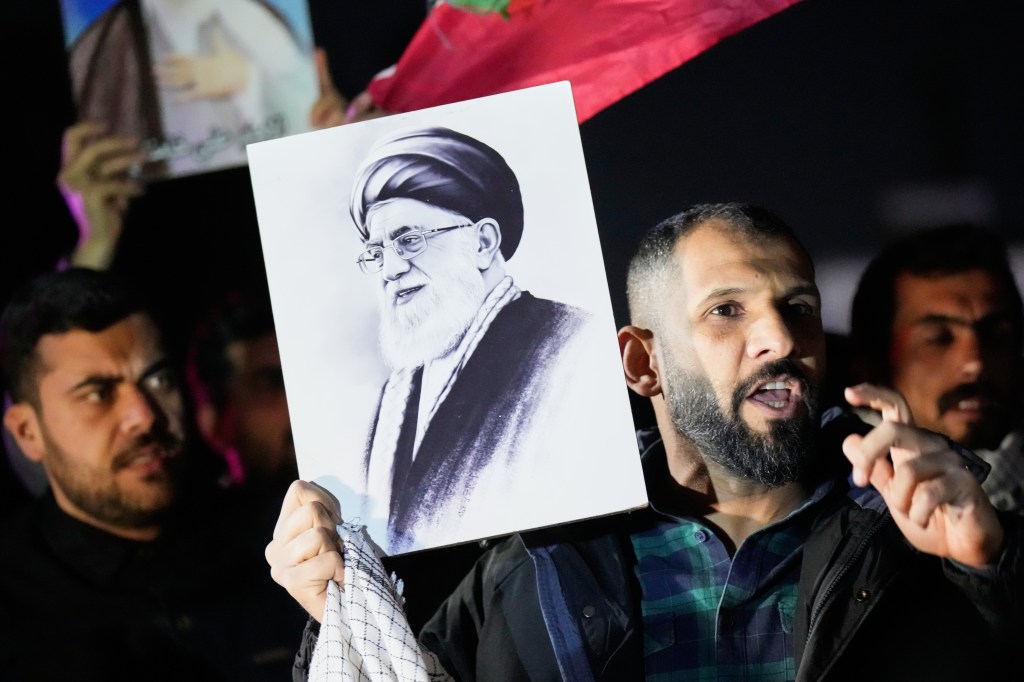
The first is that, from all available intelligence, Iran under its theocratic regime, has been intent on developing nuclear weapons. America and Israel cannot live with a nuclear armed Iran, because Iran has made clear, explicitly and by its funding of terrorist organizations dedicated to the same purpose, its total commitment to the destruction of the State of Israel.
Second, the United States-led war against Iran – and its actions in other theaters including Venezuela and Nigeria – is driven far more by strategic checkmating of China than is commonly realized. America seeks to recalibrate the strategic balance and reassert advantage in geopolitics by using its military prowess to neutralize China’s rising economic strength and advantage that, in reality, outpaces America’s.
Third, America is now caught in a dilemma: it must now “finish the fight” with complete victory, because the mullahs have no intention to surrender. That means ensuring that (a) Iran’s nuclear program, now moved deep underground under mountains at levels below the reach of America’s bunker bursting bombs, must be destroyed in this calculation; (b) ground troops (special forces) will have to be deployed to get to these hidden nuclear assets and destroy them; (c) America and Israel will have to achieve regime change, which requires an uprising inside Iran and can’t be imposed from outside.

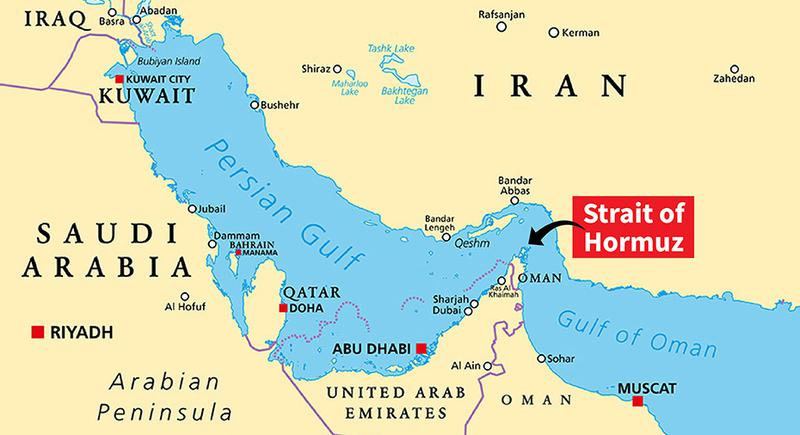
Fourth, the economic vulnerabilities of the global economy have given Iran a strong hand. We see this in existential imperatives around the Strait of Hormuz, the shipping transport lane that carries 20% of global oil supplies, and the US attacks on Kharg Island, the economic heartbeat of Iran’s own oil export trade.
To neuter Iran’s strategic advantage with the Strait of Hormuz, America must now build a multinational coalition to support its war, with such a coalition focused on keeping the Hormuz shipping lanes open because that is what engages the strategic interest of other countries. America and Israel can handle the strictly military aspects of the war inside Iran. But the limitations of America’s go-it-alone approach have become increasingly apparent.
This war carries significant domestic political risk for President Donald Trump (very little for Israeli Prime Minister Netanyahu). Trump realizes this, but has now calculated that the risk of “failing”, after having launched the war against Iran in the first place, outweighs his domestic political risk. In his view, he can manage this risk once he gets the Hormuz situation “under control” so that oil prices don’t go over a cliff.
Expect a much longer war than anticipated. Minimum:3-4 months, possibly longer.
#Geopolitics
#Geoeconomics