
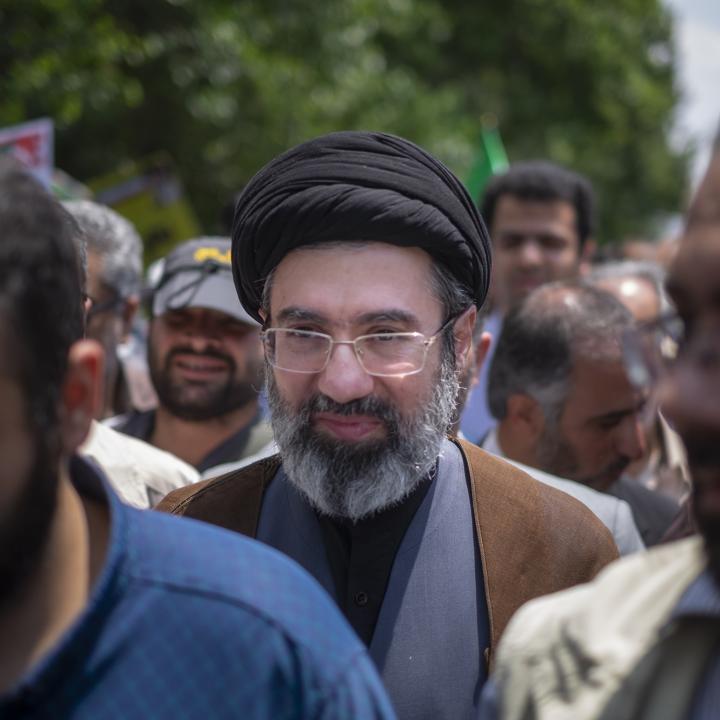

The Rise of Ayatollah Mojtaba Khamenei Amidst Turmoil
by Okoi Obono-Obla
The Assembly of Experts, the body of clerics vested with the authority to elect the Supreme Leader of the Islamic Republic of Iran, has chosen Mojtaba Khamenei as the new Supreme Leader. Ayatollah Mojtaba Khamenei succeeds his father, Ayatollah Ali Khamenei, who was killed on 28 February 2026 during a joint United States–Israeli military air strike against Iran, an event that marked the beginning of the ongoing United States–Israeli war against Iran.
At 56 years old, Ayatollah Mojtaba Khamenei was long regarded as a gatekeeper to his father before the assassination. Israel has vowed to eliminate anyone who succeeds Ayatollah Ali Khamenei, and military analysts widely believe that Mojtaba’s survival may depend on going into hiding and maintaining a low profile. Unlike his father, Mojtaba was not a prominent Islamic figure prior to his election, which raises questions about his eligibility under traditional criteria. Nevertheless, he studied Islamic theology in high school and joined the Islamic Revolutionary Guards Corps at the age of 17, fighting in the Iran–Iraq War.
He is considered a radical voice, potentially more inclined toward pursuing nuclear weapons—an ambition his father reportedly resisted. As the second son of Ayatollah Ali Khamenei, Mojtaba’s rise is both controversial and consequential. Recently, unconfirmed reports have suggested that he owns property in London valued at more than £100 million, further fueling debate about his leadership.
Conclusion:
Ayatollah Mojtaba Khamenei’s ascension marks a pivotal moment in Iran’s history. His radical disposition, coupled with the volatile geopolitical climate, suggests that his leadership will be tested by both internal dissent and external threats. Whether he consolidates power or becomes a target of the ongoing conflict remains to be seen.













Leave a comment