

Nigeria: A Nation Where Joy Is Brief and Grief Arrives Too Quickly – by Olanre Francis
Nigeria is a country of extremes—where the distance between celebration and sorrow is often measured in minutes, not miles. One moment, the nation is united in triumph; the next, it is plunged into mourning. It is a rhythm we know too well, a cycle that has shaped our collective psychology for decades.
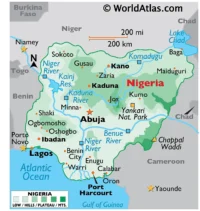
Barely twelve hours after Nigerians poured into the streets to celebrate the Super Eagles’ victory at the ongoing AFCON tournament—dancing, singing, reclaiming a rare moment of national pride—the country was confronted with another heartbreaking reality. Reports emerged of killings and kidnappings in villages across Sokoto, a reminder that even in our highest moments, tragedy lurks close by.
This is the Nigerian paradox: joy is loud but brief; grief is quiet but persistent.
A Country Where Happiness Has an Expiration Time
For many Nigerians, happiness is never allowed to stand on its own. It is always accompanied by a shadow—fear, uncertainty, or the knowledge that something will soon disrupt the peace.
We celebrate with one eye on the news. We dance with one ear listening for sirens. We rejoice, but cautiously—because experience has taught us that joy in Nigeria is fragile.
This emotional instability is not natural; it is the product of decades of insecurity, governance failures, and unresolved national trauma. Nigerians have learned to compress their happiness into short bursts, knowing that the next headline may break their spirit again.
Football: The Last Glue Holding Us Together
Football is one of the few things that still unites the country across ethnicity, religion, and politics. When the Super Eagles win, the entire nation breathes a sigh of relief. Streets come alive. Strangers hug. Hope feels possible again.
But even that hope is constantly interrupted.
The AFCON victory should have been a moment of collective healing—a reminder that Nigeria can still shine. Instead, it was overshadowed by violence in Sokoto, where families were torn apart while the rest of the nation was celebrating.
This contrast is painful, but it is also symbolic. It captures the emotional whiplash Nigerians endure daily.
The Weight of Insecurity
The killings and kidnappings in Sokoto are not isolated incidents. They are part of a larger pattern:
Banditry in the North West
Insurgency in the North East
Communal clashes in the Middle Belt
Kidnappings in the South
Economic hardship everywhere
Nigeria is a nation where danger has become normalized. Where tragedy is expected. Where breaking news rarely brings good news.
This constant instability steals more than lives—it steals joy, hope, and the ability to dream freely.
A People Who Deserve Better
Nigerians are some of the most resilient people on earth. We laugh loudly, love deeply, and celebrate passionately—even when the world gives us little to celebrate. But resilience should not be mistaken for acceptance.
A country cannot thrive on resilience alone. A people cannot survive on short bursts of joy. A nation cannot progress when tragedy is always waiting at the door.
We deserve a Nigeria where joy lasts longer than a football match. Where celebration is not followed by mourning. Where families in Sokoto, Kaduna, Benue, Imo, and every corner of the country can sleep without fear.
The Hope That Refuses to Die
Despite everything, Nigerians continue to hope. That hope is not naïve—it is defiant. It is the belief that one day, the joy we feel after a football victory will not be overshadowed by violence. That one day, our celebrations will not be interrupted by tragedy.
Nigeria is a country of contradictions, but it is also a country of possibilities. And until those possibilities become reality, we will continue to speak, write, advocate, and demand a nation where joy is not temporary.
A Nigeria where happiness is not a visitor, but a resident.














Leave a comment