By Otunba (Dr.) Abdulfalil Abayomi Odunowo October 25, 2026
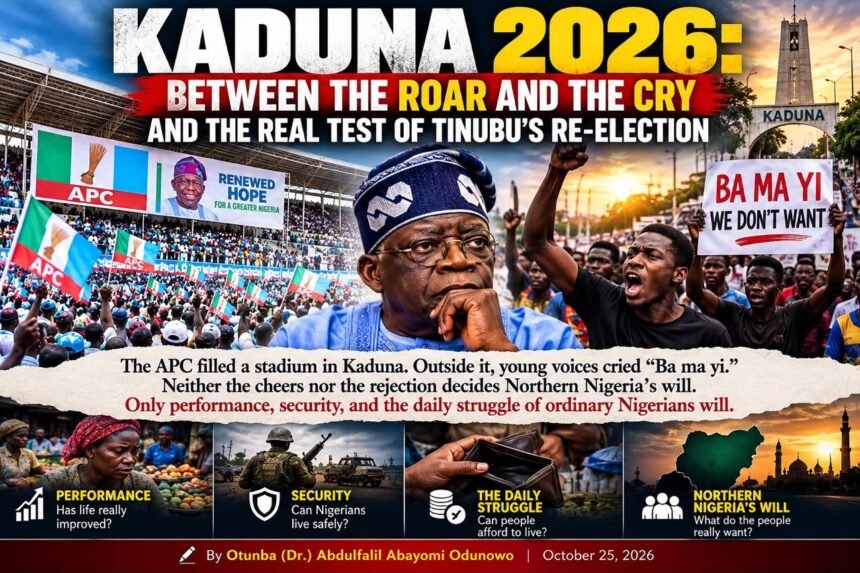
The APC filled a stadium in Kaduna. Outside it, young voices cried “Ba ma yi.” Neither the cheers nor the rejection decides Northern Nigeria’s will. Only performance, security, and the daily struggle of ordinary Nigerians will.
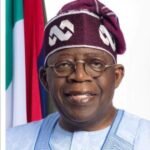
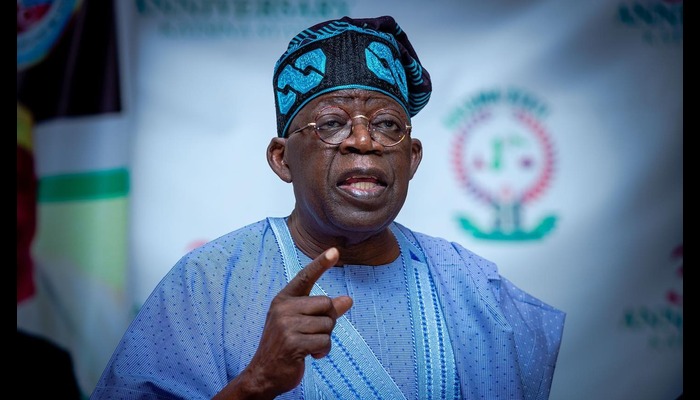
On Saturday, October 24, 2026, Kaduna became the sharpest mirror of Nigeria’s politics. Inside Ranchers Bees Stadium, thousands of APC supporters gathered as President Bola Ahmed Tinubu launched his campaign for a second term. Outside, videos captured young people chanting “Ba ma yi” “We don’t want” as campaign vehicles passed. Both scenes are real. Both matter. Neither is the full truth.
A stadium full of supporters is not an election result. Reuters reported thousands at the roughly 10,000-capacity venue. The APC showed it still possesses the machinery to mobilise, transport, and assemble. That organisational strength is politically relevant and should not be dismissed. Yet a rally crowd is not a scientific sample of voters. It cannot measure the quiet despair in markets, the fear on highways, or the calculation of undecided parents weighing school fees against empty pots. The same rule applies to every party. A full stadium tomorrow will not prove the APC’s rejection any more than yesterday’s proved its invincibility.

Only the ballot box decides.
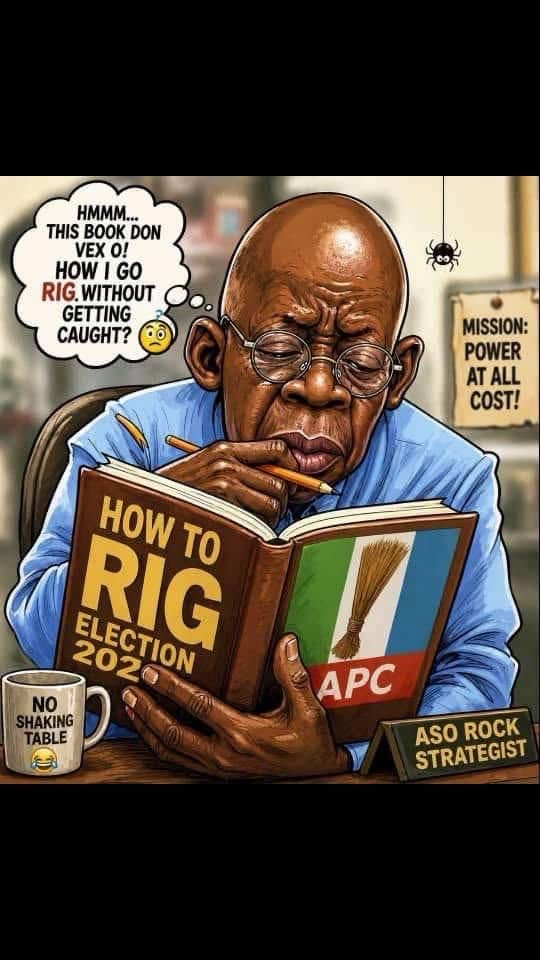
The “Ba ma yi” chants cannot be wished away. Metro Daily reported the videos from October 23. They prove that visible dissent exists in Kaduna. They raise legitimate questions about economic hardship and insecurity. They do not prove that every chanter belongs to the ADC, that the majority of Kaduna has rejected the APC, or that the entire North has spoken with one voice. Northern Nigeria is not a monolith. Kaduna is not Kano. Kano is not Katsina. Katsina is not Borno. Urban youth anger and rural calculation can, and do, coexist. A viral video is evidence of feeling. It is not a census.
The deeper test is economic. Since May 2023 the Tinubu administration has removed the fuel subsidy and reformed the foreign-exchange system. These were hard, structural choices. Some macroeconomic indicators have improved. But Nigerians do not live inside revenue statements. They live inside the price of garri, transport, rent, medicine, and school fees. They measure progress by whether their earnings still stretch to the end of the month and whether their children can travel safely. The APC’s central campaign duty is therefore clear: show, with concrete outcomes, how the reforms have eased or will ease the daily burden. Vague necessity is no longer enough.
The opposition faces an equal obligation. Condemning hardship is easy. Governing is harder. The ADC and others must state precisely which policies they would keep, reverse, or replace; how they would fund them without recreating unsustainable deficits; and how they would restore security and purchasing power. A protest chant is not an economic programme. A viral video is not a mandate.
Violence has no place in this contest. Claims that APC vehicles were widely attacked remain unsubstantiated by the available evidence. The Kaduna police restricted heavy vehicles for traffic and security reasons during the presidential visit and warned against thuggery. Preventive warnings must not be twisted into proof of crimes that have not been established. Every Nigerian has the right to reject any party. No Nigerian has the right to enforce that rejection by destroying property or intimidating opponents. Peaceful dissent is democratic. Criminal destruction is not. This principle must bind every party equally.
The North is not a single political voice. Dissatisfaction in some communities does not cancel support in others. The proper measure remains credible polling and transparent elections, not selective footage.
Nigeria approaches 2027 under the weight of economic pressure and security anxiety. These conditions demand responsible leadership, not the conversion of fellow citizens into enemies. No election is worth innocent blood. No party is entitled to power by intimidation. The political culture we practise while seeking office is the culture we will inherit when we hold it.
Kaduna therefore teaches both sides. The APC retains organisational capacity, yet visible opposition exists and the economic record requires clearer answers. The opposition has legitimate grievances to mobilise, yet grievance alone is not government. Let ideas compete. Let records be examined. Let promises face scrutiny. Let security agencies protect every lawful campaign without favour. And let Nigerians decide freely.
In a genuine democracy, power is earned through public confidence, not declared by the loudest crowd or the angriest chant. Kaduna should be remembered not only for the roar inside the stadium or the cry outside it, but for the standard of competition it forces upon us all.
Otunba (Dr.) Abdulfalil Abayomi Odunowo National Chairman, AATSG Political Commentator | Public Affairs Analyst