Ozodi Osuji Ph.d
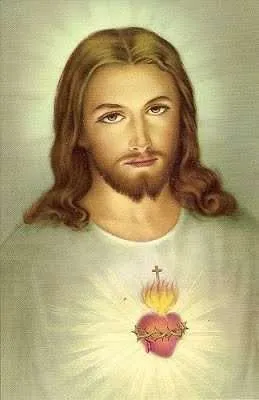
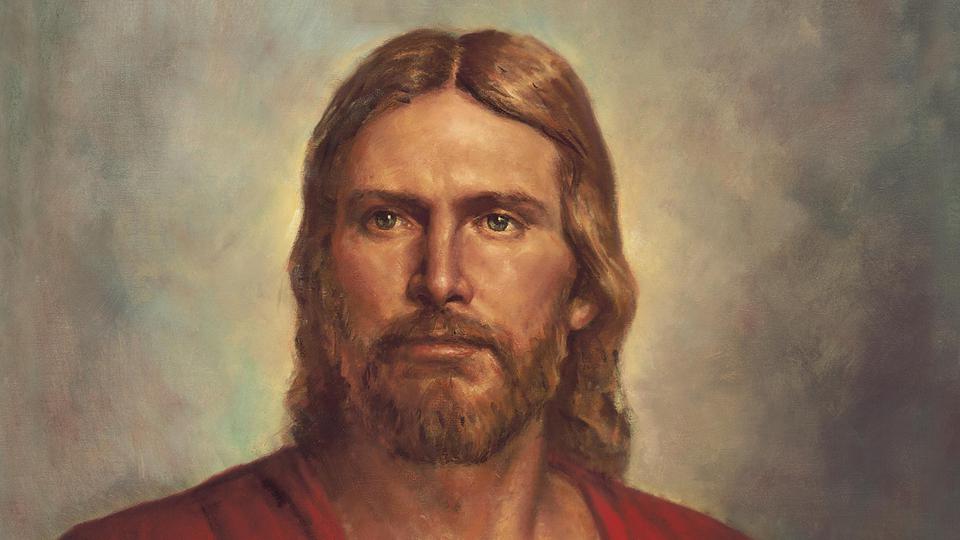
Christianity teaches that Jesus Christ was specifically sent to the world by God to die for our sins; to die for Adam and Eve’s original sin of eating some fruit from a tree that God had asked them not to eat, hence disobeying God’s command that must be obeyed, or else one is sent out of the Garden of Eden, heaven; and to die for our individual sins against God and each other on earth.
Adam and Eve’s alleged sin was probably allegorical. What is being said is that humanity decided to seek power to create God and separate from him to seem more powerful than him. Even this Gnostic view is faulty since no one created by God could have more power than him, and if one did, then God is no longer powerful. No one can have more power than God for God to remain God, and no one can be separated from God if God is to remain God. No part of a whole, God, can separate from God, for separation means the end of the whole and its separating part; the whole and the part must coexist for both to exist.
Therefore, no one is separated from God, and therefore no one sinned against God, and no one is sinful, guilty, and to be punished, to die on a cross to appease God’s wrath. The sons of God remain as God created them, unified with him and each other, hence they remain as He created them: sinless, guiltless, holy, sanctified, unified, and innocent.
Jesus did not have to die for a sin we had not committed. The whole Adam and Eve story, humanity’s original sin, and our ongoing sins are allegories used to say something about the human condition.
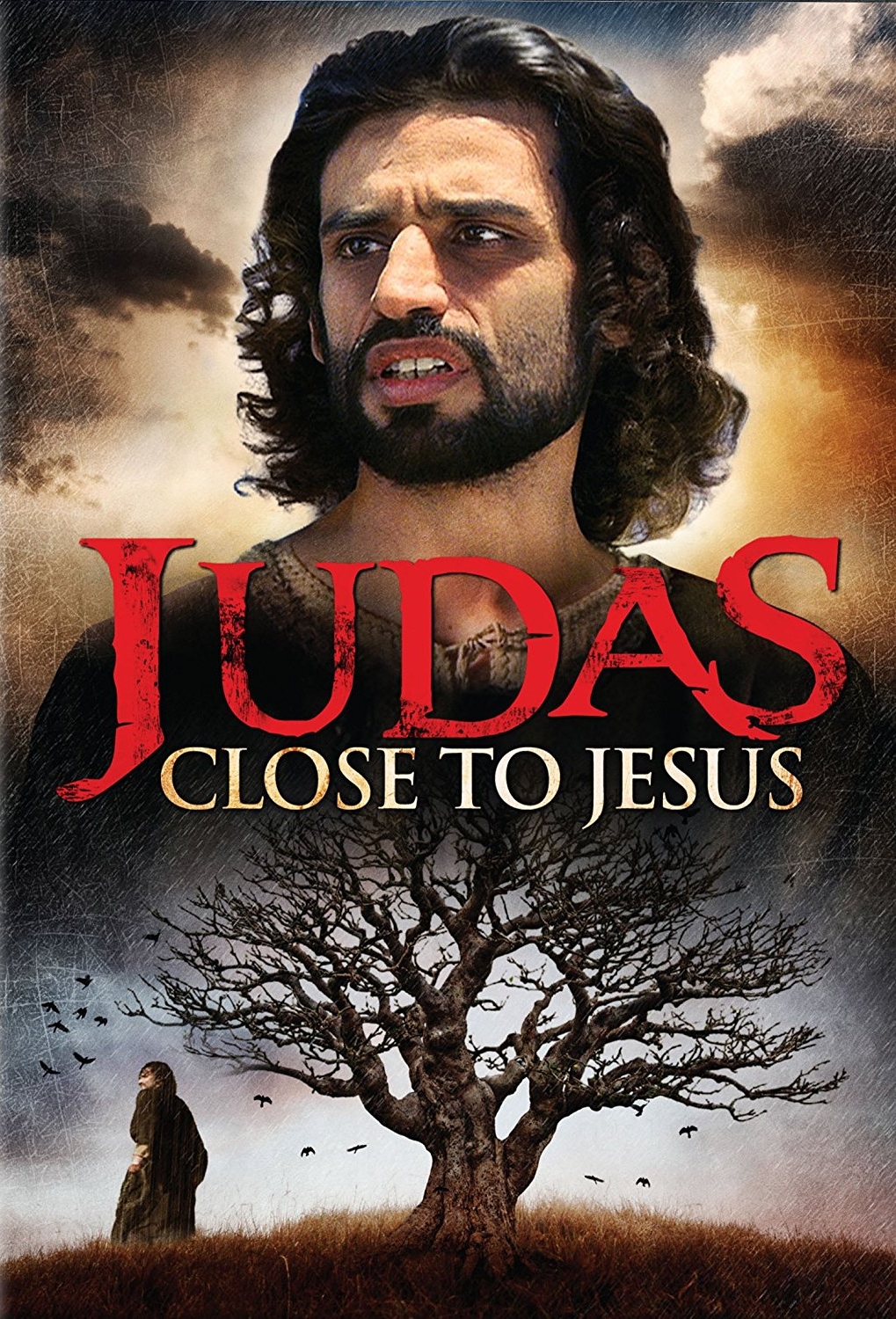
Moving along with the Christian mythology of sin and punishment, if Jesus must die to save us from our sins, does it not make sense that the person who played a critical role in his death, Judas, helped him to fulfil his mission, hence is a great helper? If Judas helped Jesus to implement his mission of dying, was he not merely performing a task that the drama called “Jesus the Savior” required?
Jesus came to die and Judas cooperated with those who want to kill him, Jews, to know where he is, in the garden of Gethsemane so that they came and arrested him, took him to their high priest, who tried him and found him guilty and since only the Roman governor could condemn a man to death they took him to Pontius Pilate, who found him innocent but Jews insisted that he be crucified and Pilate reluctantly released him to them to go crucify him.
Christians say that Judas betrayed Jesus for a few drachmas and therefore, he was instrumental in killing their savior. But to be their savior, he had to die, so did Judas really betray him, or was he doing what needed to be done, playing his part in the play in which Jesus, the central character, must die for all the other players to be saved?
We are told that Judas felt guilty for what he did and went and killed himself out of a sense of guilt, and Christians say amen to that suicide because they assume that he did wrong in killing our savior. The betrayer of the Son of God ought to die, they say. But if God destined Jesus to die and Judas helped him to die, it is Christians who are disobeying the will of God.
If Jesus must die to resurrect from death, he must go through the death of his ego and the rebirth of the Christ in him, reclaim the status of the Son of God that was lost when humanity sinned against God. It makes perfect sense that Judas and those who killed Jesus were doing their part in his death and resurrection, hence the saving of humanity.
During his last supper with his disciples, Jesus was said to have looked at Judas and said to him that he betrayed him, that he was in cahoots with his enemies, and took thirty drachmas from them as price for betraying him. Jesus was apparently angry at Judas.
If Jesus was the man who performed the miracles that he allegedly performed, such as feeding thousands with five loaves of bread and five fish, and Judas needed thirty drachmas, he could have conjured money out of thin air and given it to Judas, so that he did not have to sell Jesus for that paltry sum of money. Something does not add up.
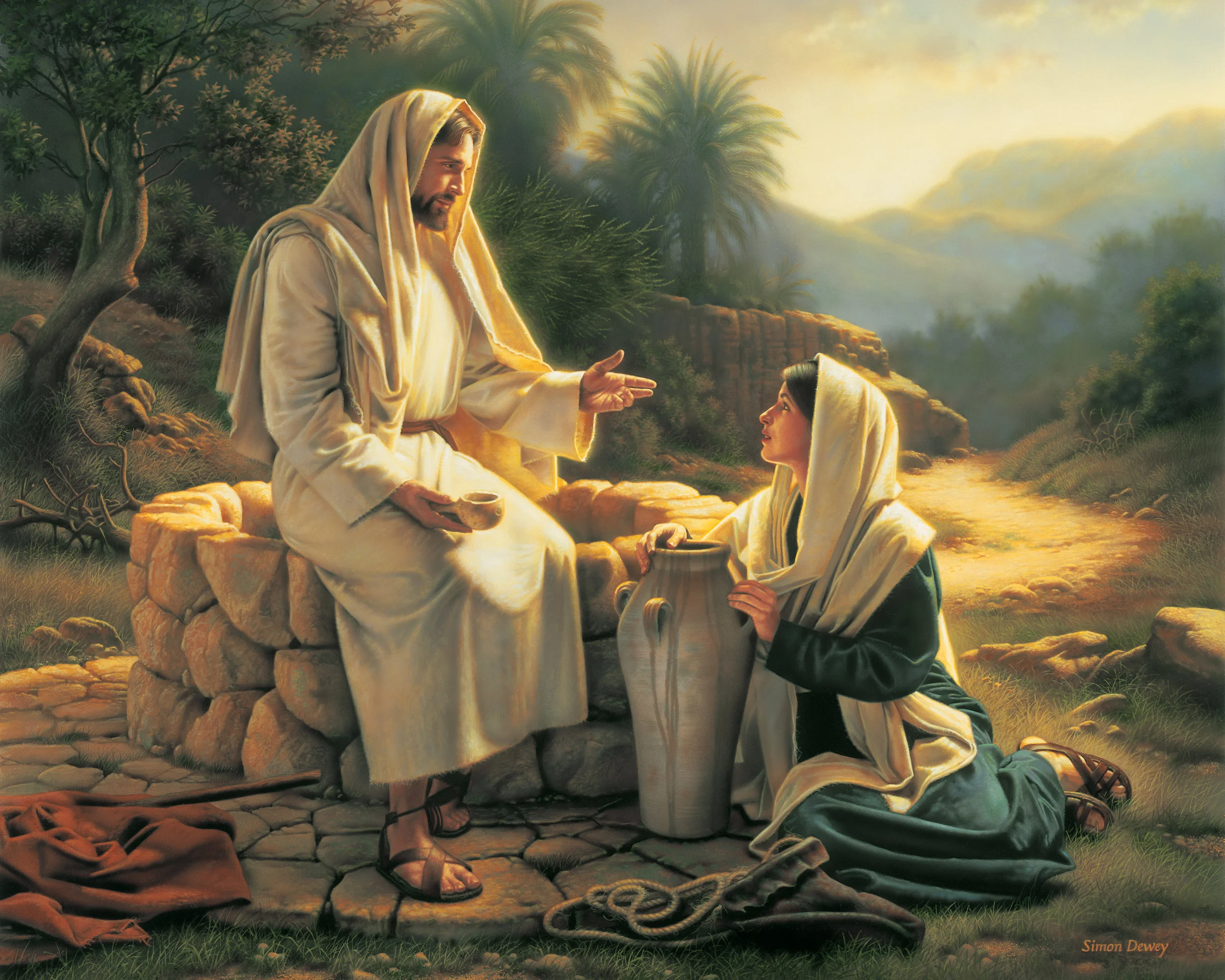
In the Garden of Gethsemane, Jesus prayed, asking God that if it pleases Him for him to let this cup pass him, but if it is His will, then let him drink from the cup. That is, he did not want to die but would die if it is the will of God that he dies. He eventually convinced himself that it is God’s will that he must die to resurrect from death, so he allowed himself to be arrested; he could have run away and not been crucified.
His initial fear of death shows that he was a reluctant savior; he did not want to die, and since being a savior required him to die, he was reluctant to die but had to die.
His reluctance to die reflects all human beings’ reluctance to die and return to God. We live in bodies and egos and are afraid of those dying. But to return to the way God created us, egoless, we must die to our identification with the body and ego separated selves, and we are afraid of the death of our egos and bodies.
Jesus being afraid of the death of his ego and body is symbolic of our fear of death and returning to God. But like him, we must die to our egos before we regain the awareness of our true selves, the Son of God.
It is the death of the ego and its house, body, which makes one regain the awareness that one is the son of God.
God created his son as part of him; since God is spirit, not a body, his sons must die to their bodies and separation, return to being spirit to return to Him.
What are we doing on earth but defending our bodies with food, medications, housing, clothes, and defending our egos with the various ego defense mechanisms, and living in fear of the death of our bodies and egos?
Jesus apparently had similar fears but reluctantly allowed his body and ego to die so that he regained awareness of how God-created him: part of God’s unified spirit, and in doing so became a world savior. The death of his ego and body made him the universal savior of all people.
Judas and those who made it possible for him to die played critical roles in his reaching his goal, and, as such, were heroes in his play. Judas was probably the greatest apostle of Jesus Christ! He knew that his master had to die if he was to fulfil his mission, and his master was reluctant to die, had cold feet, and he essentially forced him to die to save mankind!
If Jesus was the prescient person he is made out to be, he must have known that Judas was necessary for his death, for him to achieve his mission, and therefore must have been grateful to Judas.
If Jesus knew of the necessary role of Judas, how come the Christian Church teaches that Judas was an evil person because he helped kill their savior and must be punished?
Did the Church deliberately misrepresent what actually happened? Did it deliberately cast Judas as evil when, in fact, he played a necessary role in the death and resurrection of their savior?
If the Church deliberately misrepresented Judas, was that a wonderful thing to do? No. If the Church told us lies on this crucial Judas issue, how do we know that it did not tell us lies on other topics?
Is the Church a mere racketeering syndicate where the leaders deliberately tell lies to people to make them live in fear, and, living in fear, the leaders of the Church more easily control them?
DEATH AND RESURRECTION
Every human being who has given himself thought knows that during his childhood, he formulated an ego, a separate self-concept, and a self-image. That self says that he is separate from other people and from the whole self, aka God. As the ego, he sees himself as having interests that are not shared by other people; he sees himself living in a world of scarcity, where what one person gets, others do not get, so he strives to get as much wealth as he could least other people have it.
At some point in our growth, we realize that what makes us bad people is our separated selves and the drive to satisfy the needs of the separated selves at the expense of other people. The individual realizes that if he gives up his ego-separate self-interests, he easily serves all people’s interests.
If one deliberately lets one’s ego separated self metaphorically die, one is reborn in a new self, the unified self, the collective self, the son of God who is as God created him, one with God and other sons of God, and works for our mutual good, not just for one’s personal good.
The death of the ego is necessary for the rebirth of the unified self, the self that is as God created one. Thus, death and rebirth are staples of many religions.
Our human self, the self that seeks power and self-interests, must die for our real self, the unified, holy self that knows itself to be one with all selves and with God to be rebirthed in us.
In this light, each of us must voluntarily let our ego die for us to be reborn in our true self, the unified self.
Jesus let his ego-separate self-die so that he is reborn in the awareness that he is unified with all of us and with God. This death and dying did not require him to do so literally but metaphorically.
Jesus metaphorically let his ego self-die and regained the awareness of his unified self, and in that light became the Christ, the self that is as God created him, one with all selves and his creator.
A human being who allows his ego and body to metaphorically die and now lives as the son of God, hence loves and forgives all sons of God, is a savior for those human beings still living in the darkness of the ego. This is probably what Jesus did; he probably did not die physically and resurrect physically.
There is no historical evidence that a man called Emmanuel Ben Joseph, aka Josuah, was physically born in 4 BC (the year of the Emperor Augustus census) and died and was resurrected in 30 AD. Although Josephus, a Jewish historian did say that the Romans crucified a Jewish Rabbi but did not call him Jesus.
But there probably was a man who lived as Jesus did; a man who changed his view of himself, from ego to son of God, from separated to unified, a man who realized that where the son is, the father is, for as he said in the Gospel according to John, chapter fourteen, where you see the son of God is God for his father is not separate from his son.
I believe that the early Christian Church did not understand what it was presenting to the world as the story of Jesus and Judas. It did not deliberately set out to deceive the people about the role of Judas; it simply did not understand the crucial role of Judas for Jesus to perform his function of becoming the savior of the world.
The churchmen lived in fear and were afraid of death. They did not know that what Jesus was talking about was the death of his ego separated self; Jesus was saying that the ego in each of us must die for us to be rebirthed in a different self, and a different body, a light body.
Those who have had near-death experiences, which I have, see themselves in light bodies and see themselves in the world of light forms; they see people, animals, trees, houses, planets, stars, and everything on our earth in light forms.
There is scientific evidence of the existence of the world of light forms, where we all live in light and have pleasant lives. That world is what we might call the New Jerusalem; it is not heaven. In 1958, Hugh Everett posited that the Big Bang produced many worlds, not just our world. One of those worlds is the world of light forms.
Heaven is formless. In heaven, there is a formless Holy Self, Unified Self, aka God, and He has formless parts, sons, and all of them share one Unified Self, One Holy Self, and live eternally, permanently, and changelessly.
This formless unified self is what Hindus who have experienced Samadhi and experienced oneness with Brahman experience; it is what Buddhists experience in their state of oneness in Nirvana, what Zen folks experience in Satori and what Christian mystics like Meister Eckart experienced in their state of union with their father, where all is light and they are parts of that light that begins and ends nowhere and in which they said that they knew that they are eternal and that they felt total peace and joy, bliss.
DISCUSSION
It seems like the Christian Church was hijacked by men who had not experienced God, men who lived in fear of death, and based their theology on fear instead of understanding what the mystic from Israel was teaching. They gave the world a false perspective on what the Jewish mystic taught.
It is now time to correct that wrong perspective and give to the world what the man actually taught. Much of my writing is devoted to correcting the distortions of the Christian Church and presenting what the mystic from Israel actually taught those who followed him.
The Nag Hamadi Codex and the Gospels of Thomas, Judas, and Mary Magdalene corroborate this correct perspective on what Jesus taught his followers.
Jesus allowed his sense of having a powerful, separated self to die and regained awareness that the part cannot be separate from the whole, that he could not separate from God, that he and God are one and whatever he did he did with the power of God in him, for by himself the son can do nothing; we do whatever we do, good or bad, with the power of the whole self in us.
We must rehabilitate what Jesus Christ taught and do what he did; we must let our egos die and live from the son of God in us; that son of God is one with God, and all of us.
God is love, so when we live from our true self, the son of God, hence from God, we love ourselves and all other sons of God. We return to being the parts of light, the light that is God, and give our light to the world that lives in darkness, the ego.
We resurrect from death. To live in ego is to be dead, but we cannot die; all that we do is cover up the life, love, and light in us with the darkness of the ego, and when we remove the mask, veil, personality of the ego, we resume living as the son of God, living from wholeness, unity, oneness.
Those living from God are empowered; those living from the ego are powerless, while pretending to be powerful.
Our bodies are composed of chemical elements, especially carbon, hydrogen, oxygen, nitrogen, calcium, magnesium, potassium, iron, phosphor and others; when our bodies die the chemical bonds holding those elements together decay and they return to their kinds in nature and over time decay to their constituents of electrons, protons and neutrons and in time those decay to energy which eventually decay to the nothingness, from which energy and matter came from during the Big Bang, 13.8 billion years ago.
Our bodies return to nothingness, but the spirits in us live on. We have eternal spirits; those spirits are the extensions of God.
God created the formless spirits in us; we live eternally with God. While inseparable from God’s unified spirit, some spirits, like the prodigal son, went on a journey to nowhere since everywhere is in God. They desired power to create themselves and create their creator, God. They went to sleep and, in their sleep, dreamed that they had created a universe of space, time, and matter, and used matter to form their bodies, and now seem to live in bodies. But while they do so, they always live in spirit.
They merely identify with the body and separate ego selves. When they recognize that they are spirits, they discard identification with body and ego selves and regain the awareness of their unity with each other and with God.
That probably was what Jesus Christ did; he jettisoned his ego self and lived as we all do, but forget it, from his real self, the unified self, one state with God, and from that egoless self, taught people what he taught them in the Christian Bible.
He wants his disciples to do as he did, but instead of them doing so, they fear letting go of their egos and bodies and instead preach the nonsense of God seeing his son as sinful and requiring him to die to assuage his sense of vengeance.
God merely wants his sleeping and dreaming sons to awaken from the sleep and dream of power and separation and know their true selves as the holy sons of God, unified sons of God.
This does not mean that all of them are going to wake up from sleep today; many of them, me included, choose to sleep on and use the scientific method to study energy, matter, space, and time, and develop technologies to make life easier for them on earth, until they are ready to relinquish their identification with ego separated selves and awaken to unified spirit, God and his heaven.
With the discovery of Artificial Intelligence, mankind is going to realize that the body is a mere mask they live in, that their true self is pure intelligence that is everywhere, and that they can build robots and make them have access to that universal intelligence.
Our current bodies were built by us (while in spirit), pretty much as we are now building robots to do work for us.
We are not our egos, bodies; we are part of pure eternal intelligence playing with energy, matter, space, and time; we have the right to do so, provided that we understand that we are eternal formless spirits.
CONCLUSION
The Church misunderstood the function of Judas; they presented him as evil when, in fact, he played a critical role in Jesus dying to his ego and body to resurrect to his self as God created him: part of God’s unified spirit. The Church made a mistake and must rehabilitate the person of Judas and make him one of the greatest, if not the greatest apostle, because he made sure that Jesus died to rise from death, hence teaching people that death is not final.
The Christian Church would not exist if Jesus had not died and overcome death. The person who facilitated his death and resurrection played a critical role in Jesus accomplishing his mission of teaching people that life is eternal.
References
All references to the Bible are from the New International Version, NIV.
1. Genesis chapters 2 and 3 talk about the creation of Adam and Eve and their disobedience of God’s will, the fall, and how to redeem the fall, obeying God’s will, letting go of the spirit of disobedience, separation, that is, the ego must die in us and is replaced with the Christ.
2. The Gospel according to John, Chapters 14 and 15. Talked about the father and the son being one.
3. The arrest of Jesus, his trial before the Sanhedrin, and the high priest and Pontius Pilate, is described in the Gospel of John chapter 18.
4. The arrest, trial, crucifixion, and resurrection of Jesus are narrated in Luke chapter 22-24.
5. The account of the last supper is in the Gospel of Matthew, chapter 26.
6. The two greatest commandments are: the first is to love the Lord, your God, with all your heart, soul, and mind, and the second is to love your neighbors as you love yourself, see the Gospel of Mark chapter 12.
Ozodi Osuji
June 29, 2026