By Otunba (Dr) Abduldalil Abayomi Odunowo
Why the Economy Booms on Paper While Millions of Nigerians Break Down in Silence
Imagine a mother in Kano waking at dawn to the sound of her empty pots. She counts the naira in her purse more than last year, yet somehow worth less. The price of garri has doubled. Her husband, once proud with a steady job, now joins the swelling crowds at bus stops, chasing day labor that barely covers the journey home. Their children study under flickering bulbs, dreaming of futures that feel further away with every passing year.
This is not a story of laziness or bad luck. This is the daily reality for tens of millions of ordinary Nigerians. While government officials and international reports trumpet rising GDP figures, the lives of the people who should benefit most tell a different, heartbreaking truth: Nigeria is growing, but its people are not.

The Cruel Illusion of Numbers
For decades, we have been fed impressive statistics GDP growth rates announced with fanfare, praised by economists, and celebrated in air-conditioned conference halls. Yet outside those halls, the story is one of quiet desperation.
Food has become a luxury. Transport fares devour salaries before the month even begins. Rent is a constant nightmare. Families that once managed now choose between medicine for a sick child and the next meal. Inflation devours incomes faster than they can grow. People earn more naira on paper, but their lives grow poorer in every way that truly matters.
This is not economic growth. This is enclave growth a sophisticated term for a painful reality: wealth created in isolated bubbles that never reach the streets, the farms, or the factories where most Nigerians live and work.
What Enclave Growth Looks Like in Nigeria
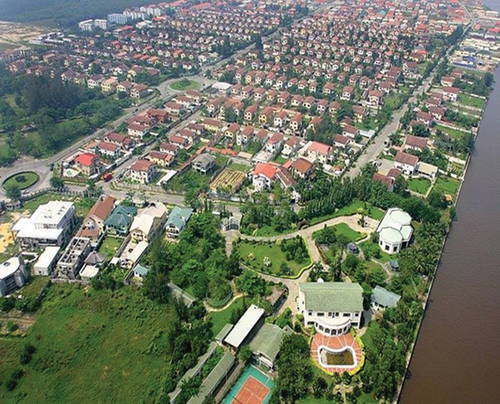
Nigeria’s economy expands in glittering sectors: oil and gas, telecommunications, and high-end banking. These generate billions. They produce billionaires. They light up the skyline of Lagos with impressive headquarters and luxury estates.
But they employ relatively few.
A sleek oil rig can pump millions of dollars with just a handful of specialized workers. A telecom giant serves tens of millions with a lean, tech-savvy staff. Banks now run on apps and algorithms rather than the armies of tellers and clerks they once needed. The result? GDP climbs, the stock market cheers, but unemployment and crushing underemployment remain stubbornly high. The riches stay trapped in an enclave benefiting a small, connected segment while the broader population is left watching from outside the fence.
Growth without spread. Progress without people. A nation getting richer on paper while its citizens grow poorer in spirit and circumstance.
The Road Not Taken: Lessons from Those Who Did It Right
It did not have to be this way. In the 1960s, South Korea was poorer than Nigeria war-ravaged, resource-poor, and written off by many. But its leaders made a different choice. They bet on their people. They built steel plants, shipyards, automobile factories, and electronics industries that didn’t just generate profits they created millions of dignified jobs. They trained workers, expanded education, and watched as household incomes soared alongside national output.
Samsung, Hyundai, and LG didn’t rise in isolation. They rose on the shoulders of a hardworking, increasingly skilled population. Today, South Korea’s per capita income stands over $35,000. Families there live the kind of stable, hopeful lives many Nigerians can only dream of.
China’s story is even more staggering. In a single generation, it pulled nearly 800 million people out of extreme poverty the largest such achievement in human history. How? Not through handouts, but by building factories that welcomed rural migrants, creating value chains that spread opportunity across provinces, and linking ordinary citizens directly to the engine of economic growth.
China didn’t just grow its GDP. It grew its people.
Nigeria’s Heartbreaking Missed Opportunity
Nigeria has advantages South Korea and early China could only envy: fertile land that could feed Africa, a massive youthful population bursting with energy and ambition, vast natural resources, and a vibrant domestic market.
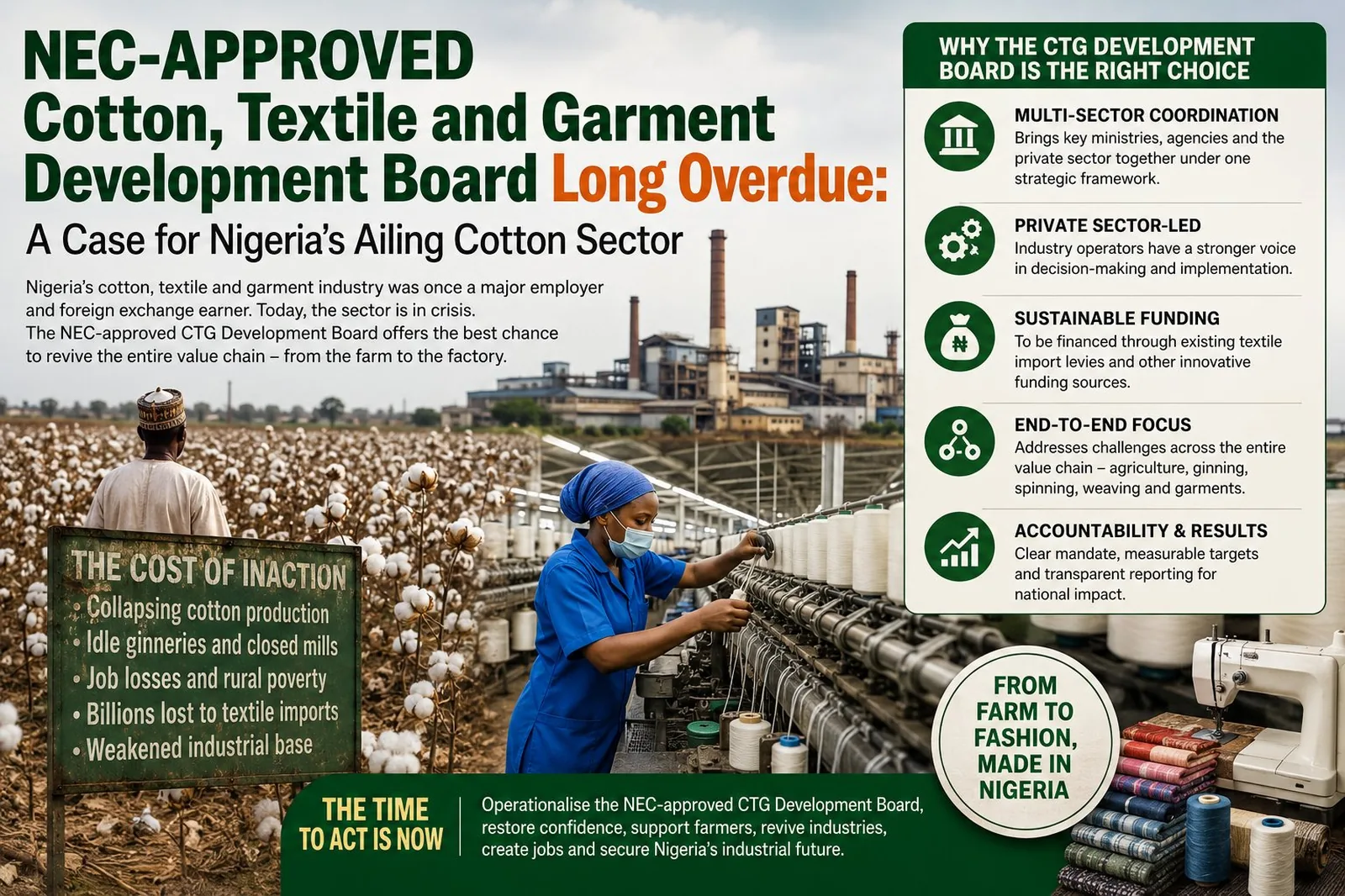
Yet our textile industries in Kano and Kaduna have withered. The Ajaokuta steel complex remains a rusting monument to abandoned dreams. Manufacturing employment is a fraction of what it should be. Young graduates roam the streets with certificates that gather dust while their dreams die slowly. Our greatest resource our people remains tragically underutilized.
This is not fate. This is policy failure. This is the human cost of choosing enclave growth over inclusive development.
Growth That Heals, Not Just Grows
True development is not measured by how much the economy produces, but by how many lives it transforms. Nobel laureate Amartya Sen reminded us that development means expanding human capabilities the freedom to live with dignity, opportunity, and hope. Nigeria must now make that choice.
We need an industrialization drive that creates millions of real jobs in manufacturing and agro-processing. We need reliable power so factories can run day and night. We need skills training that matches the needs of growing industries. We need infrastructure that connects farms to markets and villages to opportunity. We need bold support for small and medium Enterprises the true engines of mass employment. And we need policies that prioritize made-in-Nigeria production over endless imports.
The Question That Matters Most
For too long, we have asked the wrong question: “Did the economy grow?”
The right question the one that should keep our leaders awake at night is this:
Did Nigerians grow with the economy?
An economy that expands while breaking the backs and spirits of its people is not development. It is a betrayal of the promise of nationhood.
South Korea did it. China did it. The great industrial nations of the past did it. Nigeria, with all its God-given blessings, can do it too.
The time for enclave growth is over. The time has come for growth that reaches every kitchen table, every workshop, every classroom, and every hopeful young heart across this land.
Because when Nigerians rise, Nigeria will truly rise not just in statistics, but in the laughter of children well-fed, the pride of parents who can provide, and the dignity of a people finally reaping the fruits of their labor.
The choice is ours. The future is waiting.
Signed
Otunba (Dr) Abdulfalil Abayomi Odunowo
National President SCN
SpeakUp Collective Nigeria
Sunday 21st of June 2026.