
By Okoi Obono-Obla
It is clear that Sunday, 10 May 2026, marks the final day of the 21-day notice given to political parties in Nigeria to submit their digital registers to the Independent National Electoral Commission (INEC). These registers must contain the names, dates of birth, wards, local government areas, phone numbers, emails, and National Identification Numbers of every party member.
The consequence of failing to submit is significant: under Section 77(1)–(6) of the Electoral Act 2026, only members whose names appear in the register submitted to INEC are eligible to vote or be voted for in party primaries, congresses, and conventions. Thus, a party that fails to submit its register cannot validly nominate candidates for the general elections scheduled for January/February 2027.
Deadline Falling on a Non-Working Day:
Since 10 May 2026 is a Sunday, INEC offices will not be open. However, Section 15(3) of the Interpretation Act (2004) stipulates that when an official act is required on a holiday or Sunday, it is deemed valid if performed on the next working day. Therefore, political parties submitting their registers on Monday, 11 May 2026, will still be on safe legal ground.

Factional Disputes:
Where a political party is fragmented into factions, INEC will only accept the register from the faction it officially recognizes. This ensures clarity and prevents multiple conflicting registers from being submitted.
Double Membership and Litigation Risks:
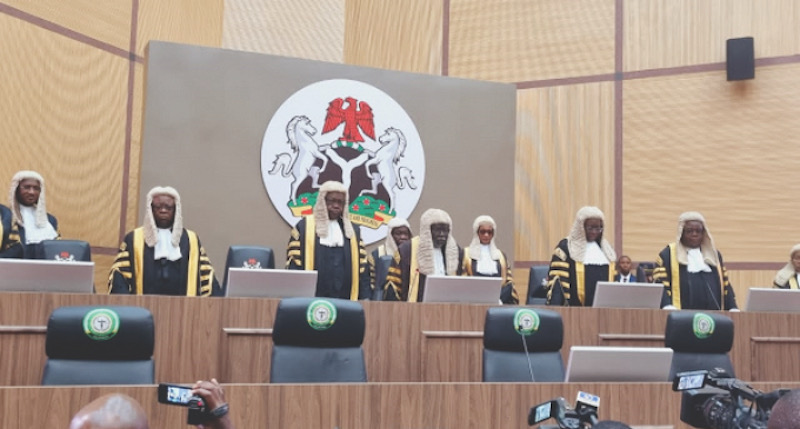
Another complication arises from double nominations. Members migrating from one party to another must ensure their biometrics are deleted from the old party’s register before registering with the new one, as required by Section 77(1). Failure to comply could result in double membership, invalid candidacies, and a floodgate of litigations. Courts will likely be burdened with disputes over eligibility, sponsorship, and compliance with constitutional requirements that every candidate must be sponsored by a single political party.
Conclusion:
The submission of digital registers is not merely an administrative formality but a legal prerequisite for valid participation in primaries and nominations. While the Interpretation Act provides relief for deadlines falling on non-working days, parties must guard against internal factionalism and double membership issues. Failure to comply risks exclusion from the 2027 general elections and protracted legal battles.
In summary: Parties should ensure timely submission, resolve factional disputes before approaching INEC, and strictly enforce membership deletion protocols to avoid litigation.