by Okoi Obono-Obla
A lot of Nigerians do not know what played out behind the scenes during the intense negotiations that birthed the formation of the political association that sprang from the merger of three political parties: the defunct Action Congress of Nigeria (ACN), the All Nigerian Peoples Party (ANPP), the Congress for Progressives Change (CPC), and a faction of the All Progressives Grand Alliance (APGA) alongside the Democratic Peoples Party (DPP).
On 13 January 2013, General Muhammadu Buhari (as he then was) inaugurated the CPC Merger Committee at the National Secretariat of the Party in Utako, Abuja. I was a member of that committee. During his brief speech, he gave us a stern directive: we were not to have anything to do with the ANPP, with whom he had a frosty relationship. This stemmed from his bitter experience in 2007, when the leadership of the ANPP—despite sponsoring his presidential ticket—abandoned and denounced him after he challenged the declaration of President Umaru Musa Yar’Adua as duly elected in the Presidential Election Petition Tribunal. General Buhari bluntly ordered us: negotiate with all progressive political parties and associations, but not with the defunct ANPP.
As the meeting began, the ACN delegation, led by Chief Tom Ikimi, told us bluntly that ANPP must be part of the merger talks or nothing. We immediately saw the trap. Senator Garba Gadi, Chairman of the CPC Merger Committee, asked for a stand‑down. Outside, we discussed and agreed that if we rigidly followed Buhari’s directive, the talks would collapse—and ACN would blame him.
We therefore resolved to accept ACN’s proposal, but with the understanding that we would later brief General Buhari in Kaduna. Returning to the meeting, we communicated our resolution to Chief Tom Ikimi and his team, who were pleased we had agreed. About a week later, the CPC delegates traveled to Kaduna to brief General Buhari. He did not oppose our decision; instead, he thanked us for a job well done.
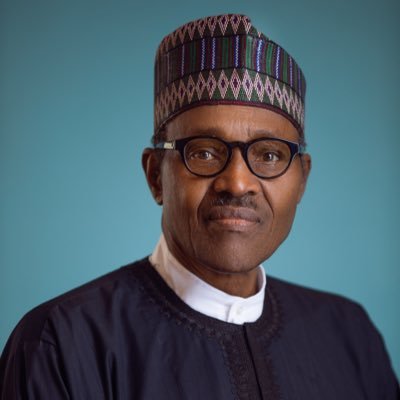
From this episode, one can see another side of President Muhammadu Buhari that many do not know: his ability to accept a decision contrary to his own directive, for the greater good of an alliance with Asiwaju Bola Ahmed Tinubu. Had that alliance floundered, Nigeria’s political history since 2013 might have taken a very different course.
Conclusion:
This story underscores the importance of pragmatism in leadership. Buhari’s willingness to set aside personal grievances for the sake of national progress was pivotal in shaping Nigeria’s political trajectory over the past thirteen years. It reminds us that true leadership is not about personal benefit, but about sacrifice for the collective good.