

By Okoi Obono-Obla
Were We Once the Same?
Can we now accept my postulations that in this country we were once one and the same?
“The truth is that there was no distinct tribe or ethnic group known as the Igbo in this part of the world before the arrival of the British government in West Africa. Those who today identify as Igbo were originally Igalla, Benin, and ancient Ibibio people. To this day, Ibibio communities remain present across all five states that make up what is now considered Igbo land.”

— Idongesit Udobong
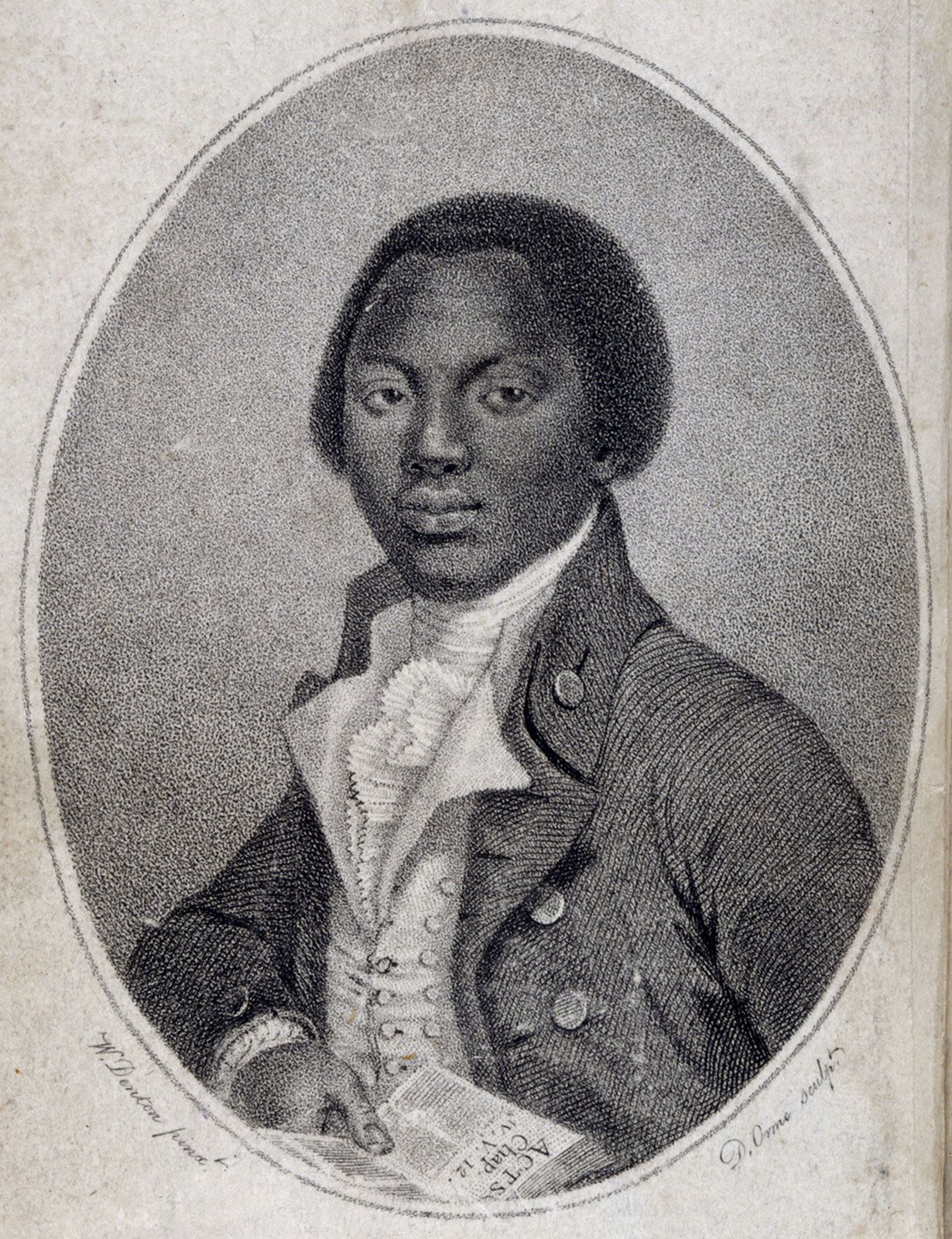
This perspective resonates with the testimony of Olaudah Equiano (also known as Gustavus Vassa), a boy captured in the Benin Kingdom, enslaved, and later freed. In his autobiography The Interesting Narrative of the Life of Olaudah Equiano (1789), he described his homeland:
“The part of Africa in which I was born is called Eboe, and is situated in the interior of Africa… It is named Essaka.”
Equiano’s words show that he identified his birthplace as Eboe (Essaka), within what was then considered the Benin region. His account underscores how identities in West Africa were complex, fluid, and often reshaped by colonial and external forces.
Conclusion:
Taken together, Udobong’s perspective and Equiano’s testimony invite us to reflect on whether the distinctions we now emphasize were once blurred, and whether, at our roots, we were truly one people.






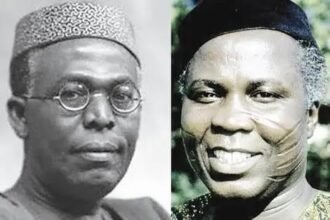
Udobong and Obona-Obla crucified intellection with their abject ridiculous conclusions from nothing but their “Edikaikong” hunches. Udobong is wrong because a minority ethnic group never produces a majority one, so it is impossible for Igbo to have emerged from Ibibio, which is not even up to the population of Mbaise.
Okoi Obona-Obla was more atrocious in his analysis because he ignored facts presented by Olaudah to opining speculatively and out of point. An adult Olaudah Equiano wrote down where he was born and from where he was kidnapped as a child — Eboe in Essaka. Commonsense and a little bit of education should point an honest scholar to the fact that he was writing of Igbo and Nsukka, not anything Benin, to which Igbo was never a party. With the passage of time, Olaudah must have forgotten how to write Igbo and Nsuka, assuming he ever knew how to write them in the first place.
I do not dismiss the claim that we might all have been one people, I completely reject the imputation, without any facts or reasonable guesses, that a gigantic Igbo emerged from little Benin, little Ibibio, and little Igala.