



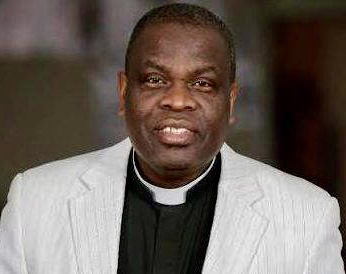
Adeyemi Ademowo, a professor of sociocultural anthropology and African studies, is a Nigerian scholar, researcher and public intellectual whose work engages the intersections of sociology, sociopolitical philosophy, development, and anthropology. He received his academic training from first degree through doctoral level at the University of Ibadan, where he developed a strong interdisciplinary foundation in understanding African societies, knowledge systems, and governance. He has also undertaken specialized training in Human Security and Humanitarian Responses at BIARI Brown University, further enriching his global and policy-oriented perspective.
He currently teaches in the Department of Sociology at Afe Babalola University, and is also affiliated with Ben-Gurion University of the Negev, where he contributes to teaching and research engagements. His scholarship reflects a commitment to interdisciplinary inquiry, focusing on social norms, development, governance, and African intellectual traditions.
Beyond academia, Prof. Ademowo is an active public commentator whose columns offers critical reflections on contemporary socio-political issues. His writing blends analytical depth with cultural insight, making complex ideas accessible while provoking thoughtful engagement on Africa’s evolving realities.














Prof. Ademowo’s interdisciplinary approach to sociocultural anthropology and African studies offers a vital lens for understanding the complexities of governance and development in contemporary Africa. His work at the intersection of sociology, philosophy, and policy-oriented research truly reflects the kind of critical intellectual engagement our region needs. It’s inspiring to see scholars like him bridging academic spaces with public discourse in meaningful ways.
This overview of Prof. Ademowo’s interdisciplinary work at the intersection of sociocultural anthropology and African studies highlights a crucial perspective on understanding local governance and social norms. His unique blend of academic training at the University of Ibadan with specialized studies in human security truly bridges the gap between theoretical inquiry and practical humanitarian policy. It is clear how his scholarship continues to shape critical conversations regarding development and intellectual traditions across the continent.