

By Okoi Obono-Obla
The Politics of Senate Presidency and Nigeria’s Power Balancing Tradition-
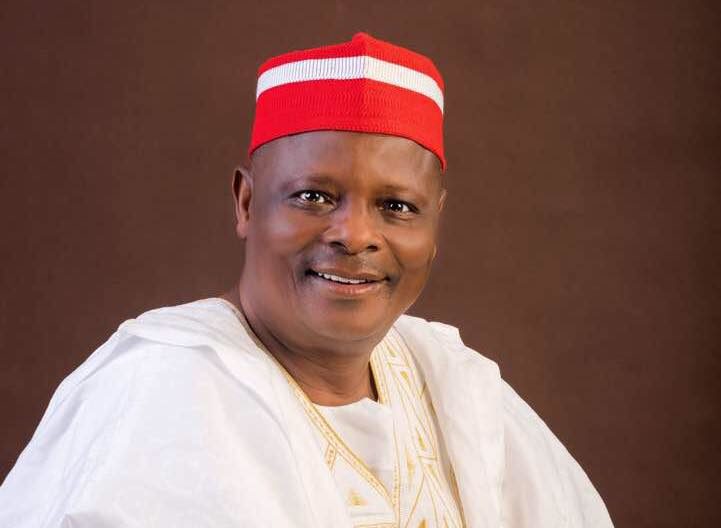
It would indeed be significant if Dr. Rabiu Musa Kwankwaso were to become Senate President of the Federal Republic of Nigeria after 2027. He is eminently qualified, with a reservoir of experience as an engineer, former Deputy Speaker of the House of Representatives, Governor of Kano State, Minister of Defence, Envoy of Nigeria to Sudan, and Senator of the Federal Republic. He embodies both executive and legislative experience, coupled with political dexterity.
However, Nigeria’s political arrangements have often reflected compromises among the governing elite. If the President of Nigeria post-2027 emerges from the South, precedent suggests that the Senate President would likely come from the South as well. Historical examples reinforce this pattern. In 1979, when Alhaji Shehu Shagari was elected President, the Vice President and Senate President were both from the South. In 1999, President Olusegun Obasanjo from the South was elected, and the Senate Presidency also remained in the South, beginning with Evans Enwerem. Throughout Obasanjo’s eight years, all Senate Presidents were Southerners.
In 2007, when President Umaru Musa Yar’Adua from the North assumed office, Senator David Mark from the North became Senate President. This arrangement continued until Yar’Adua’s death and the succession of President Goodluck Jonathan. After Jonathan’s election in 2011, political exigencies disrupted the usual balance. However, when President Muhammadu Buhari came into office in 2015, the tradition was restored: Dr. Bukola Saraki from Kwara State (North) became Senate President, followed by Senator Ahmad Lawan from Yobe State (North) in Buhari’s second term. In 2023, when President Bola Ahmed Tinubu from the South was elected, the Senate Presidency returned to the South with Senator Godswill Akpabio, despite strong interest from Northern senators. This reflected the governing elite’s preference to align the Senate Presidency with the President’s region, ensuring smoother succession in case of vacancy.
Conclusion:
Given these precedents, it is doubtful that Nigeria’s political elite will depart from this tradition after 2027. Even if the opposition wins both the Presidency and a majority in the National Assembly, the Senate Presidency will most likely follow the established regional balancing logic. While Dr. Kwankwaso’s credentials are unquestionable, the realities of Nigeria’s political compromises may determine otherwise.









Leave a comment