
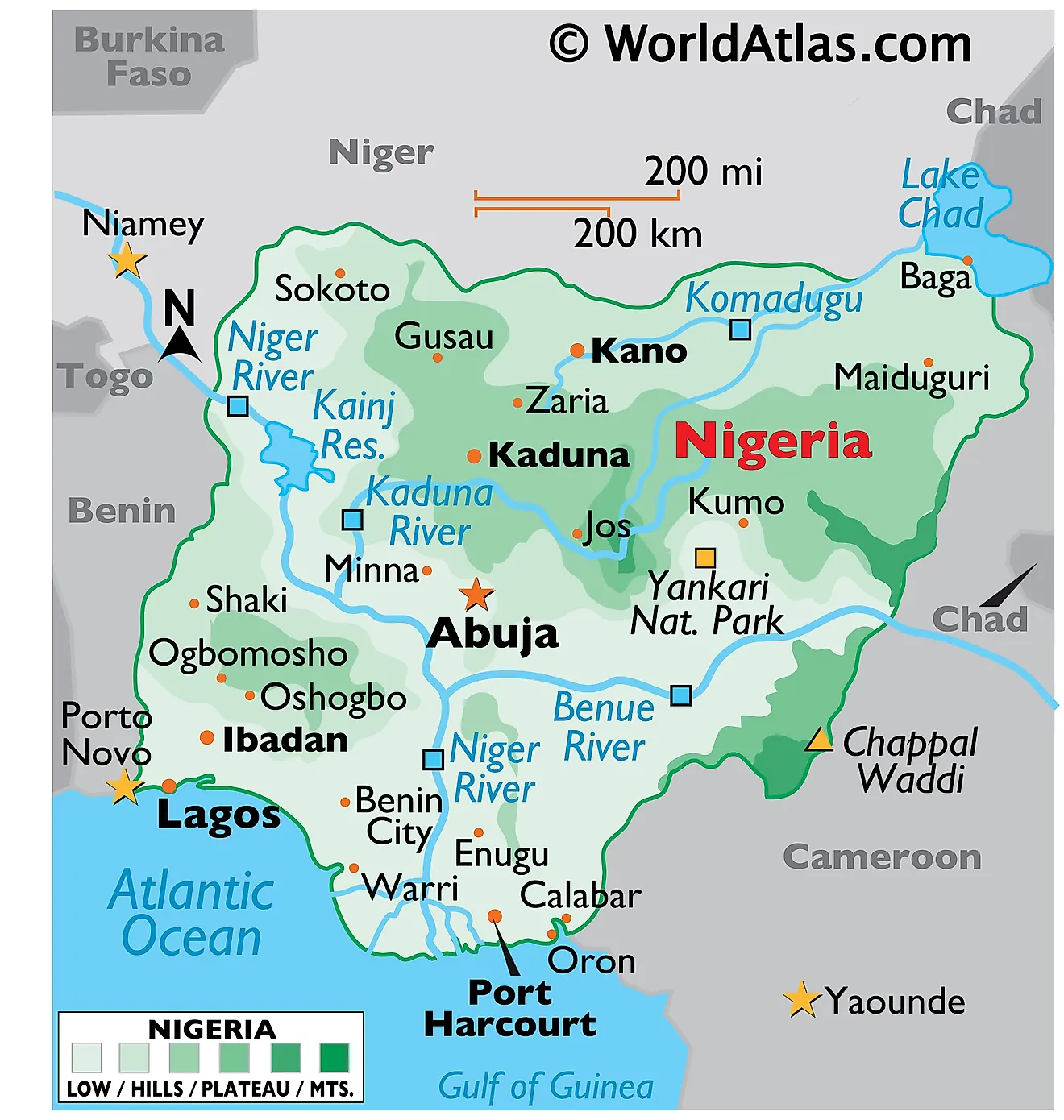

The Constitutional Imperative of Geographical Spread in Nigerian Presidential Elections:
Votes from one state, no matter how numerous, cannot by themselves elect a Nigerian President without the constitutionally mandated geographical spread. The framers of the 1999 Constitution of the Federal Republic of Nigeria were deliberate in ensuring that the presidency reflects national consensus rather than regional dominance.
Section 134(2) of the Constitution provides that a candidate for President must:
1. Secure a majority of the total votes cast nationwide, and
2. Obtain not less than one-quarter of the votes in at least two-thirds of all the states and the Federal Capital Territory (Abuja).
This dual requirement ensures both numerical strength and geographical legitimacy, preventing a candidate from winning solely on the basis of concentrated support in one part of the country.
President Muhammadu Buhari’s 2011 Performance:
In the 2011 presidential election, General Muhammadu Buhari of the Congress for Progressive Change (CPC) polled 12,214,853 votes (31.97%) and won in 12 states, largely concentrated in the North. However, he failed to secure the required one-quarter of votes in many southern states and in the Federal Capital Territory.
By contrast, President Goodluck Jonathan of the People’s Democratic Party (PDP) scored 22,495,187 votes (58.87%), winning in 22 states plus the FCT, thereby satisfying both the majority and spread requirements. Buhari’s inability to meet the constitutional spread requirement, despite millions of votes, underscores the framers’ intent that the presidency must be a truly national mandate.
The Kwankwaso Comparison:
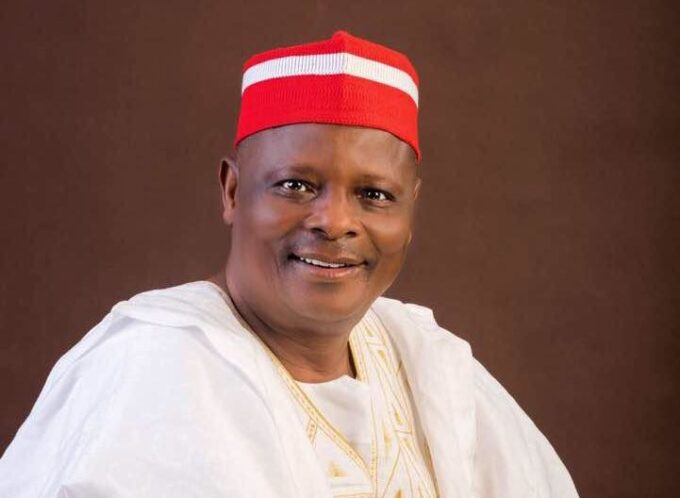
The argument that Senator Rabiu Musa Kwankwaso’s 900,000-plus votes in Kano are equivalent to winning “11 states” is constitutionally untenable. Votes concentrated in one state cannot substitute for the spread across multiple states required by Section 134(2). Buhari’s 2011 experience is a clear precedent: despite millions of votes in northern strongholds, he could not win without meeting the spread requirement.
Thus, Kwankwaso’s performance in Kano, while politically significant, remains academic and of no constitutional moment when measured against the requirements for presidential victory.













Leave a comment