
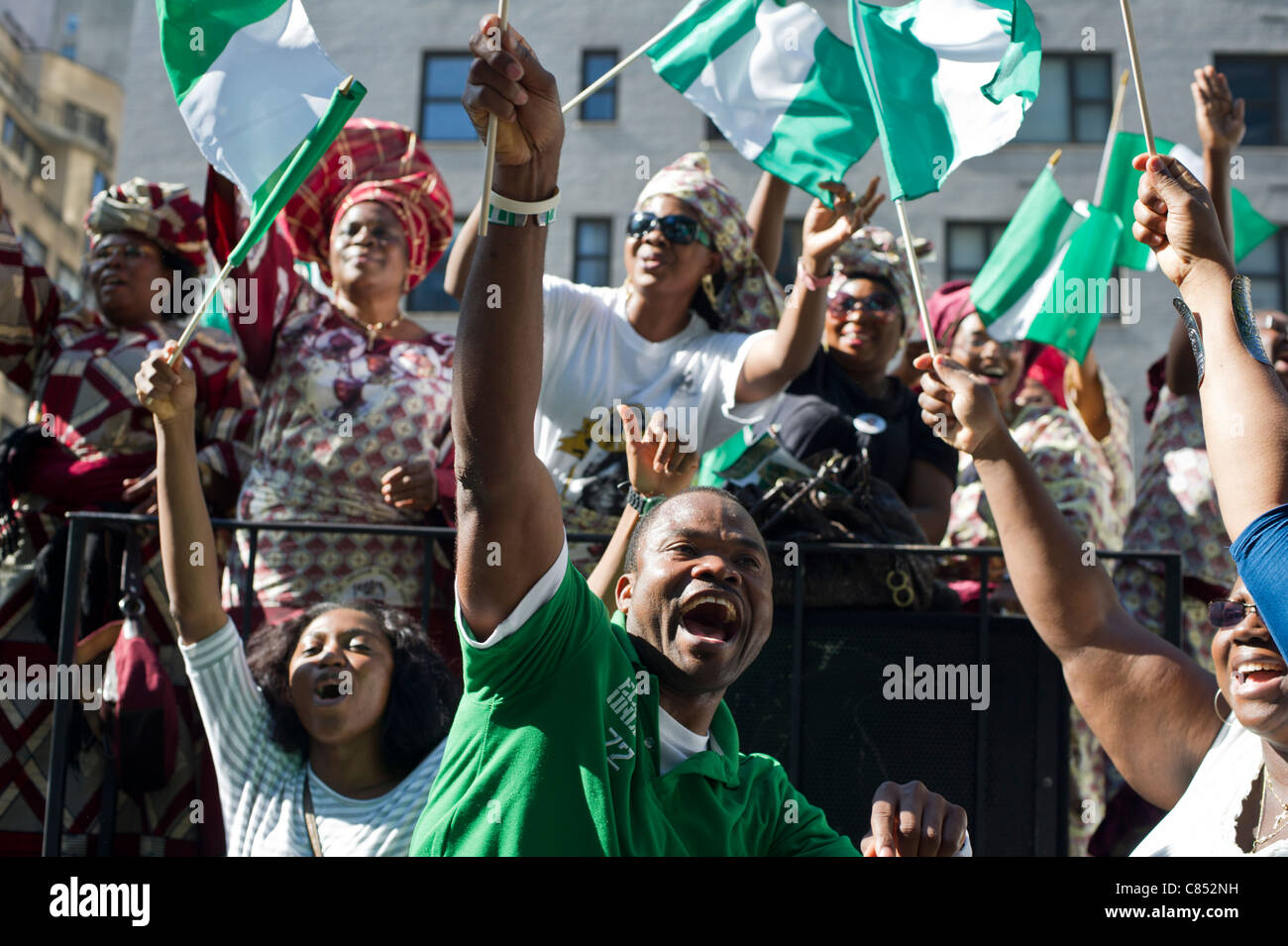

The Nigerian Conundrum
By Banji Ayiloge
Nigeria’s crisis is not a mystery. It is the logical outcome of a political structure engineered to reward corruption, entrench sectional dominance, and suppress the emergence of a genuine national identity. Sixty‑six years after independence, the country stays trapped in a system where public office is a gateway to private wealth, where institutions serve ethnic blocs rather than citizens, and where no problem ever becomes a national emergency. Nigeria is not failing by accident; it is failing by design.
A Country Without a Nation
The 1914 amalgamation created a geographic expression, not a nation. Diverse peoples with incompatible political cultures were fused into a single administrative unit for the convenience of colonial rule. The British entrenched indirect rule in the North, empowering a conservative aristocracy whose interests aligned with colonial goals. In the South, Western education produced a more liberal, competitive elite.
These contradictions were never resolved. At independence, Nigeria inherited a political structure built on unequal power relations and divergent worldviews. Instead of forging a national ethos, the post‑colonial elite embraced the colonial template, using it to consolid sectional advantage. The result is a country where identity is local, loyalty is ethnic, and the idea of a Nigerian nation remains aspirational.
A Constitutional Order That Manufactures Dysfunction
The adoption of the American‑style presidential system in 1979 deepened the structural imbalance. The argument that African societies are inherently monarchical and therefore suited to a strong executive was intellectually lazy and historically false. Yet it prevailed, producing a system where presidents and governors wield near‑absolute control over appointments, resources, and institutions.
This concentration of power transformed political parties into patronage machines. Elections became contests for access to state resources, not competitions of ideas. The political economy that emerged rewards extraction, not service; loyalty, not competence; ethnic capture, not national cohesion. Corruption is not an aberration—it is the operating logic of the system.
The Patronage Architecture: How Power Really Works
Once a regional bloc captures the presidency, it distributes “juicy” federal positions—NNPC, Customs, Ports Authority, Aviation, Finance, FCT, EFCC, security agencies—to loyalists. These appointments are not made to advance national development but to secure control over revenue streams and regulatory levers.
Other groups receive symbolic positions or leftovers, creating a rotational patronage system disguised as federal character. In this environment:
• merit is irrelevant
• integrity is punished
• public office becomes a private ATM
• institutions become tools of sectional dominance
This is why Nigeria’s corruption is systemic. It is not the work of a few bad actors; it is the predictable outcome of a structure that incentivizes theft and punishes honesty.
A Society Forced to Privatize Survival
The consequences are visible everywhere. Public infrastructure collapses because funds are diverted long before projects begin. Citizens must provide their own electricity, water, security, and waste management. Even Lagos—the country’s economic engine—floods after light rainfall. No Nigerian city has a functional underground sewage system, something Paris began building in 1370.
In such a society, honesty becomes irrational. From the Almajirichild to the elite politician, survival depends on navigating or exploiting a corrupt system, not contributing to the common good.
A Country Without Shared Outrage
Perhaps the most telling symptom of Nigeria’s dysfunction is the absence of national crises. Every conflict—religious, ethnic, political—remains sectional. Killings in Plateau do not provoke outrage in Lagos. Banditry in Zamfara does not move the Niger Delta. The country bleeds in fragments, never as a whole.
This fragmentation ensures that no collective pressure ever forces systemic reform. The ruling class thrives because the people remain divided.
The Real Problem: A System That Cannot Produce Good Leadership
Nigeria’s tragedy is not simply that it has produced bad leaders. It is that the system is designed to produce them. Even brilliant Nigerians who excel abroad find themselves neutralized at home because the structure rejects merit. Leadership becomes a revolving door of individuals constrained by the same corrupt incentives.
Until the structure changes, leadership will remain a predictable disappointment.
The Imperative of Structural Redesign Before 2027
Nigeria cannot progress through cosmetic reforms or periodic elections. The country requires a fundamental redesign of its political architecture:
• genuine regional autonomy
• a drastic reduction of presidential powers
• institutions insulated from ethnic capture
• a citizenship model that transcends indigene‑settler divisions
• a political economy that rewards productivity, not patronage
Without structural reform, Nigeria will continue to drift—rich in potential, poor in outcomes, and permanently trapped in a cycle of crisis and decay.
Banji Ayiloge, is a commentator on Nigerian affairs.














Leave a comment