

ADC and the Looming Zoning Crisis:
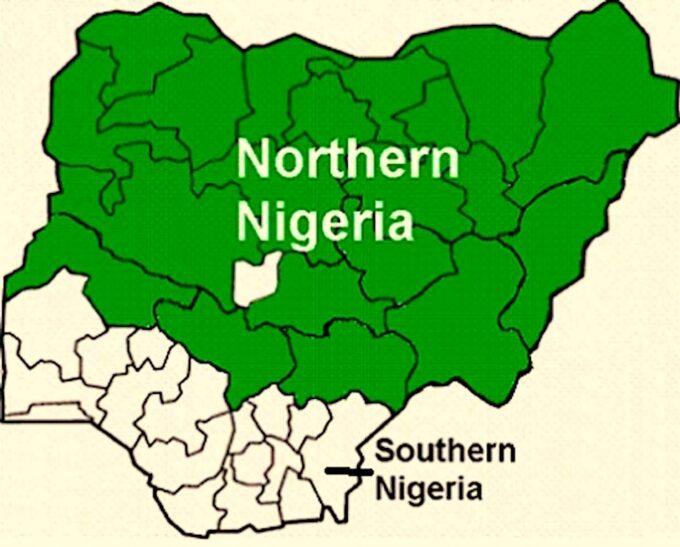
The African Democratic Congress (ADC) is entering a critical phase as Nigeria approaches the 2027 presidential election. Atiku Abubakar, one of the party’s leading aspirants, has unequivocally declared that zoning is not part of the ADC constitution, and therefore should not dictate the choice of its presidential candidate. This position directly clashes with that of Rt. Rotimi Amaechi, another prominent aspirant, who has argued that the ADC must field a candidate from Southern Nigeria if it hopes to gain traction in the upcoming election.
This disagreement is more than a mere contest of personalities; it reflects a deeper struggle over the identity and strategy of the ADC. Atiku’s stance is consistent with his long‑standing opposition to rotational politics. Yet history complicates his position. In 2010, he defected from the defunct Action Congress of Nigeria back to the PDP, justifying his move on the grounds that it was the North’s turn to produce a president. That decision contributed to the crisis that eventually fractured the PDP, culminating in its implosion. While opposition voices later blamed the APC and President Bola Ahmed Tinubu for the PDP’s collapse, the roots of the crisis lay in unresolved tensions over zoning and rotation.
Amaechi’s insistence on a Southern candidate highlights the enduring appeal of zoning in Nigerian politics. For decades, zoning has been seen as a mechanism to balance power among Nigeria’s diverse regions and ethnic groups. It has often served as a stabilizing force, ensuring that no single region monopolizes leadership. However, zoning has also been criticized for undermining meritocracy and entrenching sectionalism. The ADC’s constitution does not enshrine zoning, giving Atiku a strong legal and procedural basis for his argument. Yet Amaechi’s position resonates with political realities: in a country where regional identity remains a powerful factor, ignoring zoning could alienate key constituencies.
The clash between Atiku and Amaechi therefore portends a serious risk for the ADC. If the party fails to reconcile these divergent views, it could face internal division along sectional lines, weakening its credibility as a national platform. The ADC’s challenge is to balance principle with pragmatism. On one hand, rejecting zoning could project the party as modern and merit‑driven, appealing to voters tired of sectional politics. On the other hand, embracing zoning could reassure skeptical constituencies that the party is sensitive to Nigeria’s delicate regional balance.
The broader lesson is that zoning remains a double‑edged sword in Nigerian politics. It can unify or divide, depending on how it is managed. The PDP’s implosion serves as a cautionary tale of what happens when zoning disputes are left unresolved. The ADC must learn from that history if it hopes to avoid a similar fate.
As 2027 looms large, the ADC stands at a crossroads. Its handling of the zoning debate will determine whether it emerges as a serious contender or succumbs to internal fractures. The days ahead will be decisive, and the party’s ability to navigate this crisis will shape not only its future but also the broader trajectory of Nigerian politics.
@ Okoi Obono-Obla

















Leave a comment