

Genocide, Denial, and the Trap of Intervention By the American Centurion
By Idowu Ephraim Faleye
Across the world, attention is turning to Nigeria for the genocide against its Christian population. International bodies such as the U.S. Commission on International Religious Freedom, Human Rights Watch, and Open Doors International have consistently named Nigeria as one of the deadliest places in the world for Christians. Yet, domestically, denial remains the dominant response. That denial is dangerous. It blinds the nation to reality and paralyzes meaningful action.
America Centurion- Trump- is accusing Nigeria of standing by while Christians are being exterminated. He even hint at the possibility of military intervention under the guise of humanitarian protection. Yet, among many Nigerians, there is a deep suspicion that such rhetoric may hide another agenda—one that has less to do with justice and more to do with strategic and economic interests. Some believe the cry of genocide could become the perfect excuse for a foreign power to step in, claiming to save lives while seeking access to the nation’s abundant mineral wealth. And this is where wisdom becomes necessary. As the old saying goes, “Don’t hand your enemy the stick to beat you with.” If foreign powers are searching for a moral reason to interfere, Nigeria must take away that reason by addressing the root cause of these killings which is the Islamic extremism.
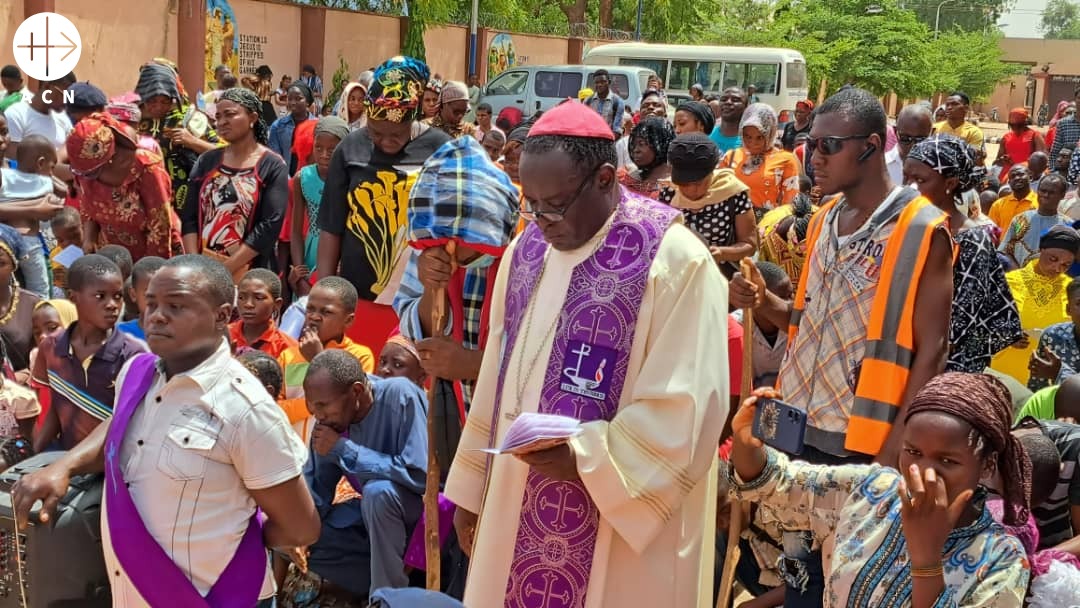
The world is not imagining the crisis. In many parts of northern and central Nigeria, nightfall has become a time of terror for Christian communities. Entire families flee from homes that have stood for generations. Churches that once echoed with worship now lie in ruins. The violence is not random; it is organized, ideological, and persistent. Boko Haram, the Islamic State in West Africa Province (ISWAP), and certain Fulani militant groups continue to wage their campaign of terror, targeting Christians, destroying villages, and kidnapping women and children. They justify their actions with religious slogans, claiming to fight for the establishment of an Islamic state. Their goal is clear: to conquer through faith what they cannot win through dialogue.
Yet, the response from Nigeria’s religious and political leadership has been distressingly weak. When the Sultan of Sokoto, Muhammad Sa’ad Abubakar III, dismissed the claim that Christians are being targeted for extermination—insisting that insecurity affects everyone equally—it left a bitter taste in many mouths. His words may have been meant to calm tension, but they instead stirred deep resentment among those who have seen their churches burned and their loved ones killed. While it is true that Muslims also fall victim to general insecurity, In too many of these attacks, the victims are Christians singled out precisely because of their faith.
The attackers are not shy about their motives. They shout “Allahu Akbar” as they burn villages, they quote verses of the Qur’an as they slaughter farmers, and they boast about fighting for Islam. To deny the religious dimension of these killings is to deny the truth itself. And while most Muslims in Nigeria are peaceful and law-abiding, it remains troubling that the loudest condemnations of these atrocities rarely come from within the Islamic fold. The silence of many Muslim leaders has created an impression of quiet approval. In moral crises, silence speaks louder than words.
The Sultan’s position as the supreme head of Islam in Nigeria places him in a unique position to lead by example. His words can shape millions of minds, his guidance can redirect dangerous emotions, and his leadership can help rebuild the trust that extremists have shattered. But leadership demands courage—the courage to speak uncomfortable truths even when they displease one’s followers. Saying “everyone suffers” might sound diplomatic, but diplomacy without honesty can become denial. And denial, in this case, only deepens wounds.
What makes the situation even more dangerous is the historical continuity behind it. The ideology driving these extremists did not begin with Boko Haram. It is an evolution of an old religious dream—one that sought to spread Islam across West Africa through conquest. The phrase “to dip the Qur’an in the ocean,” a metaphor for extending Islam to the Atlantic coast, has long been associated with that ambition. Boko Haram’s founder, Mohammed Yusuf, openly declared democracy as haram and called for a total Islamic state. His followers—under various names and factions—have carried that torch of fanaticism forward. They see Nigeria’s secular constitution as temporary and illegitimate. For them, this is not just a political struggle; it is a holy war.
But history also teaches a painful truth: fanaticism devours even its own. Many moderate Muslims have also fallen victim to jihadist violence, killed for rejecting the extremist interpretation of their faith. Yet, that reality does not erase the undeniable pattern of genocide against Christians. Genocide is defined not by the exclusivity of victims, but by the intent to destroy a particular group. In this case, the intent is clear, the pattern consistent, and the victims unmistakable.
This is why moral clarity is so important now. Nigeria stands at a dangerous crossroads—between truth and denial. If Muslim leaders continue to minimize the crisis, they risk giving foreign powers the moral excuse to act in Nigeria’s internal affairs. And here again, wisdom whispers its warning: “The wise person avoids the path where the trap was set.” If America and the West are indeed looking for an entry point, then the continuous killing of Christians is the very path that opens the door. The Islamic leadership in Nigeria must, therefore, find a way to stop these acts—not for America’s sake, but for Nigeria’s survival.
When foreigners claim to be coming to help, history tells us to be cautious. As one might say, “When your neighbor sharpens his knife and says he’s coming to help, stop the quarrel in your house before he arrives.” The world’s history is filled with “humanitarian interventions” that left nations broken and looted. Iraq, Libya, and Afghanistan stand as warnings. Nigeria must not join that list. If there are elements within the Muslim community who use religion to justify murder, it is the responsibility of true Islamic leaders to expose and neutralize them. Otherwise, the bloodshed will not only destroy innocent Christians but also provide the perfect justification for a foreign invasion disguised as charity.
At the same time, political leaders cannot escape blame. Too often, leaders issue routine condemnations and move on to the next crisis. The killers roam free; justice rarely follows. This culture of impunity emboldens extremists. It sends a message that human life, especially Christian life in the north, is cheap. What began as isolated terrorist attacks has grown into a chilling pattern of targeted killing of Christians, accompanied by a worrying silence from those who should speak out boldly. From the United States to the United Nations, the growing concern is unmistakable. Reports of mass killings, razed villages, and abducted worshippers have begun to force the world to look again at Africa’s most populous nation. But as the global community begins to use the word genocide, a darker conversation is emerging beneath the surface.
What Nigeria needs now is not empty diplomacy or religious defensiveness. It needs truth—spoken boldly, compassionately, and without fear. The Sultan and other Islamic leaders must publicly and repeatedly reject the use of religion as a weapon. They must say clearly that killing of Christians—or anyone—under the banner of Islam is evil and un-Islamic. They must teach their followers that jihad is not the slaughter of neighbors but the struggle to live righteously. And they must show by example that Islam and violence are incompatible.
Christians, too, must continue to combine forgiveness with courage. They must refuse to return hate for hate, but they must also demand justice. Forgiveness does not mean silence. The blood of the innocent must not be swept under the carpet of politics. Every unpunished killing becomes an invitation to another. Nigeria’s leaders—religious, traditional, and political—must realize that peace built on denial is only a pause before collapse.
America’s allegations of genocide should, therefore, not just provoke anger but reflection. If the world says Christians are being slaughtered in Nigeria, our first question should not be whether America has ulterior motives. Our first question should be: Is it true? And if it is true, then we must act swiftly to remove the cause. Because once an outsider claims the moral high ground, he will not need our permission to act in our “defense.” It is wiser to quench the fire ourselves before a stranger uses our burning house as an excuse to claim ownership. As the new proverb goes, “He who gives outsiders a reason to enter his compound may soon lose control of his gate.”
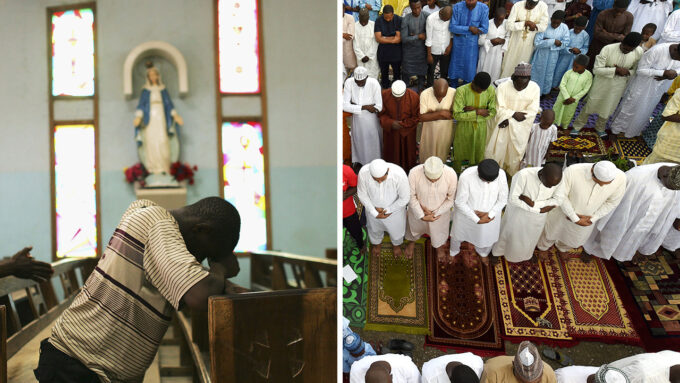
Nigeria’s future depends on our ability to separate faith from fanaticism, religion from extremism, and loyalty from blind denial. True Muslims and true Christians have lived side by side for centuries in this country. They intermarry, trade, and share communities. That harmony must not be destroyed by a few radicals who mistake violence for faith. It is time for the majority—the silent, peace-loving Nigerians of all religions—to rise and reclaim the soul of the nation.
If the Sultan, the Emirs, the Ulamas, and other Islamic authorities take a firm public stand against extremist ideology, history will remember them as builders of peace. If they remain evasive, history will remember them as those who kept silent while their nation bled. The choice is theirs, and the time is now.
In the end, evil does not triumph because it is powerful; it triumphs because good men remain silent. Nigeria cannot afford that silence any longer. The world is watching. The blood of the innocent is crying. The nation must rise to silence the guns, heal the wounds, and reclaim its moral voice before outsiders claim to do it for us. Because when others claim to save you, they often end up owning you. And that, perhaps, is the greatest trap of all.
Disclaimer:
The views and opinions expressed in this article are solely those of the author. The article seeks to promote peace. The author unequivocally condemns all forms of violence, extremism, and religious intolerance and advocates for justice, unity, and mutual respect among all Nigerians regardless of faith or ethnicity.
©️ 2025 EphraimHill DataBlog. This article may be shared freely on social media, messaging platforms, and offline, provided it remains unaltered. Republishing on blogs or websites without written permission is not allowed.
Idowu Ephraim Faleye | EphraimHill DataBlog – Freelance Writer, Independent Stories, Data-Driven Insights












Leave a comment