
By Idowu Ephraim Faleye +2348132100608
There is something fundamentally wrong with a political system in which politicians suddenly discover the suffering of ordinary Nigerians whenever elections approach. They become passionate defenders of the poor, outspoken critics of economic hardship and eloquent advocates of the hungry masses. They speak about food prices, unemployment, inflation and the inability of families to meet their daily needs.
Yet, some of these same politicians appear less concerned about other dangers threatening the lives of the very people they professed to care for. This raises a fundamental question: Do Nigerian politicians genuinely care about the masses, or have their sufferings become convenient instruments for political mobilisation?
There is no doubt that hunger is a serious national problem. The government must address these challenges, and the opposition has every right to question the economic situation of the nation. However, concern for the masses should not begin and end with the price of food. Human welfare extends beyond economic affordability. A person who can afford food but cannot access genuine medicines remains vulnerable. A family with enough food but living under the constant threat of kidnapping or terrorist attacks cannot be said to enjoy a decent life.
The tragedy of Nigerian politics is that some politicians appear to recognise these problems only when they offer opportunities to criticise the government. They readily identify the suffering that generates public sympathy but remain relatively silent about other threats that demand equal attention. This is the politics of selective concern.
Consider the danger posed by counterfeit drugs, fake drinks and substandard products. This is a public health problem that deserves far greater political attention. Nigerians depend on medicines to recover from illnesses, manage chronic conditions and save their lives. Unfortunately, counterfeit and substandard medicines expose patients to treatment failure, serious complications and potentially fatal consequences.
Imagine a patient who visits a hospital, receives a prescription and spends hard-earned money purchasing medication, only to discover that the product is counterfeit. Instead of recovering, the patient’s condition continue to deteriorate. The family spends additional money on treatment, while the patient continues to suffer. In some cases, the consequences may be irreversible.
The problem extends beyond pharmaceuticals. Fake alcoholic and non-alcoholic drinks, adulterated food products, substandard building materials and counterfeit automobile spare parts also killed enmass. Unsafe products can cause poisoning, building collapse, treatment complications and preventable road accidents.
These are not merely commercial irregularities. They are threats to people’s lives, public health, household finances and national productivity. Families exhaust their savings on medical expenses, workers become incapacitated, and the healthcare system carries the additional burden of treating preventable complications.
Why, then, should these issues receive less political attention than food prices? Is the suffering of a family whose breadwinner has been incapacitated by dangerous counterfeit products less important than that of a family struggling to afford food?
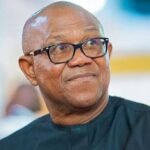
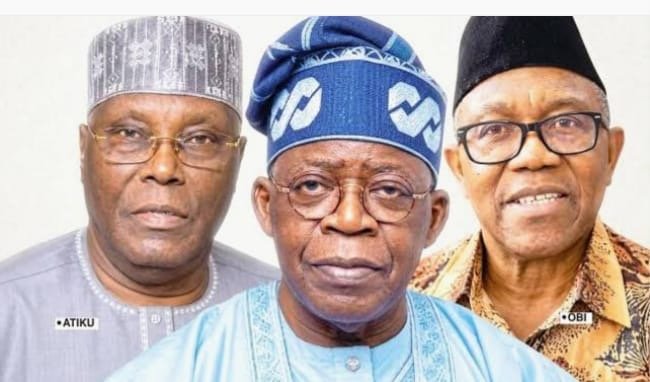
This brings us to the historical controversy surrounding Peter Obi and allegations concerning his interventions during NAFDAC’s enforcement operations in the notorious Onitsha market in 2004 and 2007. There have been claims that Peter Obi opposed the closure of the market during these operations and intervened at the highest political level. One account alleges that he approached President Umaru Musa Yaradua following the 2007 enforcement action, after which NAFDAC was directed to reopen the market.
These allegations deserve serious examination. The important questions are straightforward. What was the reason for the closure of the market? What exactly was Peter Obi’s position during those enforcement operations? Did his intervention undermine efforts to eliminate counterfeit products? More importantly, what is his present position on counterfeit drugs and dangerous consumer products?
A presidential aspirant seeking the votes of Nigerians must be prepared to clarify controversial decisions. Journalists should demand clear answers rather than allow such questions to disappear beneath the noise of campaign promises. Beyond the historical controversy, what specific measures does Obi intend to introduce to combat the production, distribution and sale of counterfeit products? How does he intend to strengthen regulatory enforcement and protect Nigerians from the dangers of fake medicines and other substandard goods?
The same standard of accountability must apply to the security crisis in Northern Nigeria, where insurgency, banditry and kidnapping have destroyed communities and claimed countless lives. For more than a decade, Boko Haram and ISWAP have inflicted enormous suffering on Nigerians. Armed bandit groups have attacked villages, kidnapped innocent citizens, demanded ransom and made farming increasingly dangerous in several communities. Families have been displaced, livelihoods destroyed and thousands of lives lost.
The consequences extend beyond the immediate victims. When farmers abandon their land because of insecurity, food production suffers. When children cannot attend school safely, their future is compromised. When businesses close because of kidnapping threats, employment opportunities disappear.
Insecurity and hunger are therefore interconnected. A farmer who cannot safely access his farmland cannot produce food. A trader who fears travelling because of armed attacks cannot distribute goods efficiently. Communities living under the threat of terrorism cannot sustain normal economic activities.
Yet political conversations sometimes give the impression that food prices are the only measure of national suffering. This raises important questions about Atiku Abubakar, a prominent political figure from Northern Nigeria whose long experience in national politics makes his public utterances and leadership intervention on the region’s security challenges a legitimate subject of scrutiny.
The question is not simply whether Atiku has ever spoken against Boko Haram, ISWAP, Banditry and insecurity. His past leadership interventions and policy proposals, should be examined fairly. The more important question is whether his public engagement has ever addressed the persistence of the crisis in that region, even when it became an issue of international concerns.
What is his comprehensive strategy for defeating Boko Haram and ISWAP? How does he intend to tackle banditry and kidnapping? What measures would his administration introduce to protect farmers, rural communities, schools and vulnerable populations? How would he strengthen intelligence gathering and improve the capacity of security institutions? What have been his major public interventions, statements and policy proposals concerning these security threats over the years? Nigerians deserve to know not only what he condemns today but also what he has consistently advocated and done about these problems.
These questions deserve direct answers. Condemning insecurity during political campaigns is not a security strategy. Nigerians need practical solutions, measurable targets and a clear explanation of how proposed policies will produce better results.
The media also has a responsibility to correct the imbalance in political conversations. Presidential interviews should not be limited to food prices, fuel costs, exchange rates and unemployment. These are important issues, but they are not the only factors determining whether Nigerians can live safely and productively.
Peter Obi should be asked to explain the circumstances surrounding the historical controversies over NAFDAC’s enforcement operations in Onitsha and present his strategy for eliminating counterfeit products. Atiku Abubakar should be asked to explain his record and comprehensive approach to Boko Haram, ISWAP, banditry and kidnapping, particularly given the prolonged impact of these security threats on Northern Nigeria, the region from which he draws his political roots and influence.
The same questions should be directed at every presidential contender. What are their plans for reducing preventable deaths caused by unsafe products? How will they strengthen regulatory institutions? What measurable targets will they establish for reducing insecurity? How will they ensure that economic policies translate into improved living conditions and greater protection for ordinary Nigerians?
These questions are not expressions of hostility towards any candidate. They are legitimate demands from an electorate that deserves responsible leadership. Nigerians must understand that political popularity is not the same as a demonstrated record of responsible leadership. A politician may command millions of supporters, deliver powerful speeches and speak passionately about the suffering of the masses. None of these automatically establishes the quality of his proposed solutions or his commitment to addressing the full range of national challenges.
The real test of leadership is the ability to understand the different dimensions of national problems and develop practical solutions. Economic prosperity cannot be separated from public health, security, institutional accountability and the protection of human life.
Hunger matters. Poverty matters. Unemployment matters. But so do the lives lost to terrorism, banditry, kidnapping, counterfeit medicines and dangerous consumer products. A family that loses its breadwinner to kidnapping suffers just as a family that loses its breadwinner to a preventable illness caused by counterfeit medication. Their circumstances may differ, but their need for responsible leadership is the same.
Nigerians must therefore stop allowing politicians to determine which suffering deserves public attention. They must examine political records, question controversial decisions and demand answers beyond campaign slogans.
A presidential candidate should not be celebrated simply because he can identify what is wrong with the country. He should be judged by the quality of his proposed solutions, the consistency of his public positions on issues affecting the people and communities within his political sphere of influence, and his willingness to defend the interests of ordinary citizens.
Ultimately, the question is not who speaks most passionately about hunger, who criticises the government most aggressively or who commands the largest political following. It is who understands the full extent of Nigeria’s challenges and is prepared to demonstrate, through credible policies and consistent action, how those challenges will be addressed.
The masses do not need politicians who remember their hunger only when they need their votes. They need leaders who remember their lives, protect their dignity and defend their interests even when there are no votes to be won.
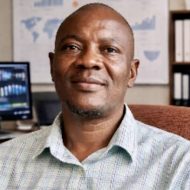
*Idowu Ephraim Faleye is a freelance political writer based in Nigeria.*
*Contact: +234 813 210 0608*