By Okoi Obono-Obla
Kogi State is located in the North-Central geopolitical zone of Nigeria. The state is principally composed of the Igala, Ebira and Okun (Yoruba) peoples, with smaller Bassa, Nupe and other groups. The Igala constitute the largest ethnic group in the state.
The Igala are one of the oldest peoples in Nigeria. According to some oral traditions and historians, the Igala share deep ancestral links with the Yoruba, Benin and some sub-groups of the Igbo, though this claim remains contested in mainstream academic historiography.
The state was created on 27 August 1991 by the administration of General Ibrahim Badamasi Babangida through the merger of parts of the old Kwara and Benue States, an area that largely corresponded to the former Kabba Province. Christened the Confluence State, it was carved out to reunite peoples who had shared historical roots in the former Kabba Province.

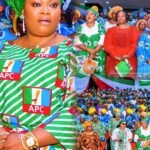
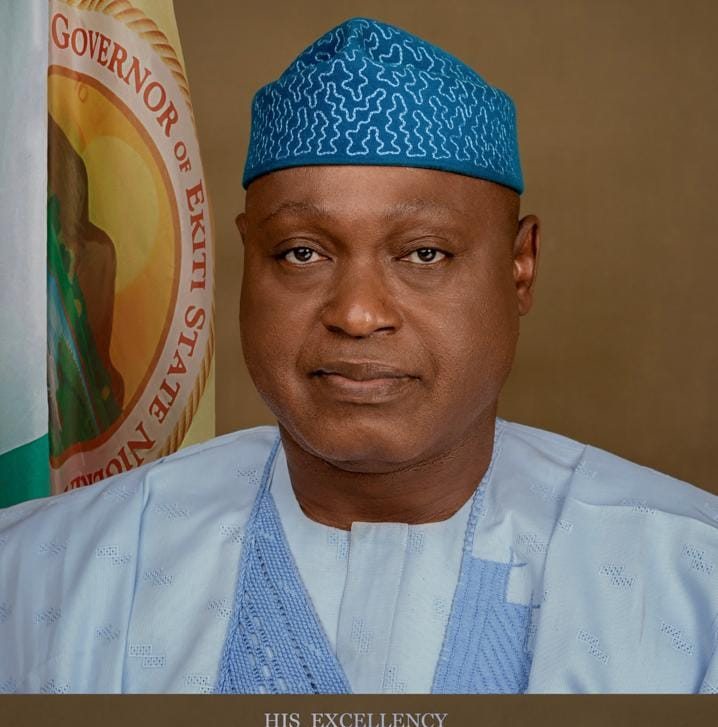
Politically, the All Progressives Congress (APC) has been in power in Kogi State since January 2016. The incumbent governor wields considerable influence, leverage and political networks which he is expected to deploy maximally in the presidential, state and National Assembly elections.
In the 2023 general elections, the APC won the presidential election in Kogi State, won all three senatorial seats, won the majority of the nine House of Representatives seats, and won 22 out of the 25 seats in the State House of Assembly, with the PDP and ADC sharing the remaining seats.
There will be no governorship election in Kogi State during the 2027 general election cycle. Kogi is one of eight states operating on an off-cycle calendar. While Presidential and National Assembly elections are scheduled for 20 February 2027 and State Assembly elections for 6 March 2027, the next governorship election in Kogi is due in November 2027.
The Contestants in 2027:
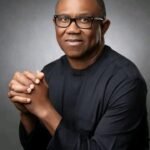
The leading opposition parties are now the National Democratic Congress (NDC) — officially registered as the Nigeria Democratic Congress but widely referred to as the National Democratic Congress — which is fielding Peter Obi, who contested in 2023 under the Labour Party, and the African Democratic Congress (ADC), whose presidential candidate is Atiku Abubakar. The NDC was registered by INEC on 5 February 2026 and has absorbed much of the former Labour and NNPP structure, while the ADC leads the G100 opposition alliance of ADC, NDC, PDP, SDP, APM and PRP.
The concept of a coalition is however unknown to the electoral law of the country. Under the Constitution and the Electoral Act 2022 (as amended), INEC recognizes only political parties, not coalitions. INEC has published the list of presidential candidates and the parties sponsoring them. Only withdrawal or death can cause any of them to be dropped. Under Section 31 of the Act, a candidate may withdraw only by a notice in writing personally signed and personally delivered by himself to his party, which must convey it to INEC not later than 90 days to the election.
Conclusion and Projected Outcome:
On the balance of factors, Kogi State is projected to remain an APC stronghold in 2027.
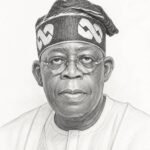
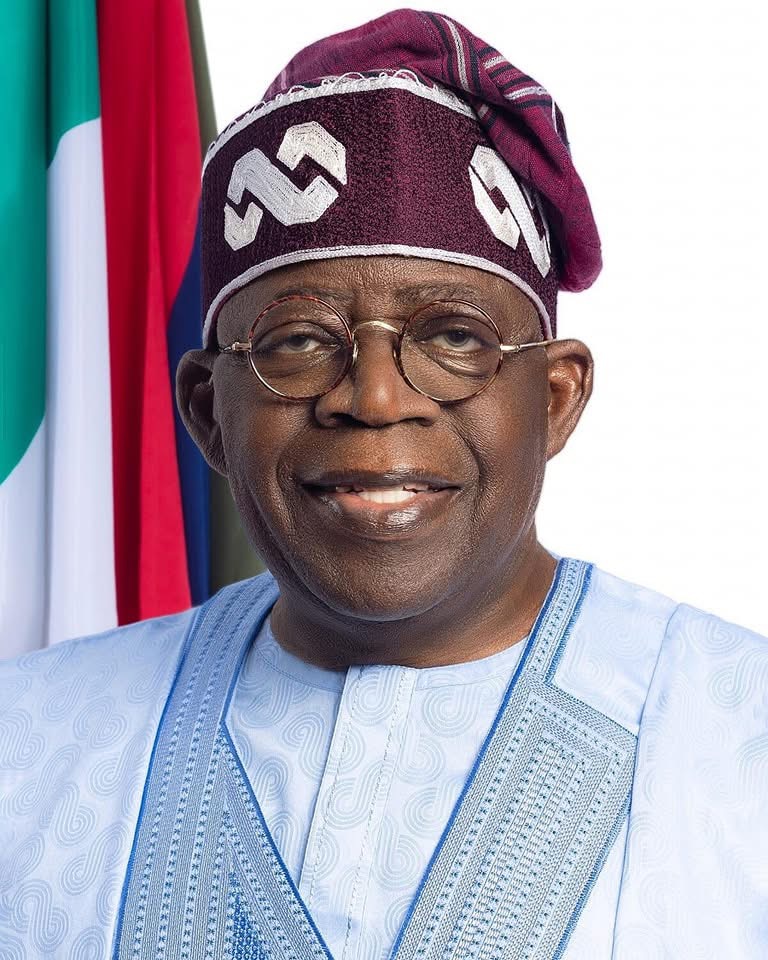
1. Presidential Election – APC to win. The combination of federal incumbency, control of the state structure by the Governor, and ethno-cultural affinity between President Bola Ahmed Tinubu and the Okun bloc in Kogi West gives the APC a structural advantage that is likely to attract sympathy votes. The split of the opposition vote between NDC and ADC will further secure APC’s lead, particularly in Kogi West and Kogi Central. Kogi East (Igala) will be the most competitive zone, but APC is still favoured to carry the state.
2. National Assembly Elections – APC to retain majority. APC is projected to retain 2-3 Senate seats and 6-8 of the 9 House of Representatives seats. The NDC and ADC may pick up 1-2 House seats in Lokoja and parts of Igala East where youth and urban votes are strong, but not enough to overturn APC dominance.
3. State Assembly Election – APC to retain clear majority. APC is projected to win 20-23 out of the 25 seats.
In short, barring a last-minute formal withdrawal and consensus candidacy between NDC and ADC, APC is likely to repeat its 2023 performance in Kogi State in the 2027 Presidential, National Assembly and State Assembly elections, albeit with narrower margins.