
By Okoi Obono-Obla
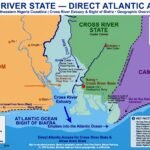
It is amusing that Igbo leaders keep pushing the narrative that there are Igbo communities in Akwa Ibom, Bayelsa, Benue, Cross River, Edo, and Kogi States. I will single out and restrict myself to Cross River State.
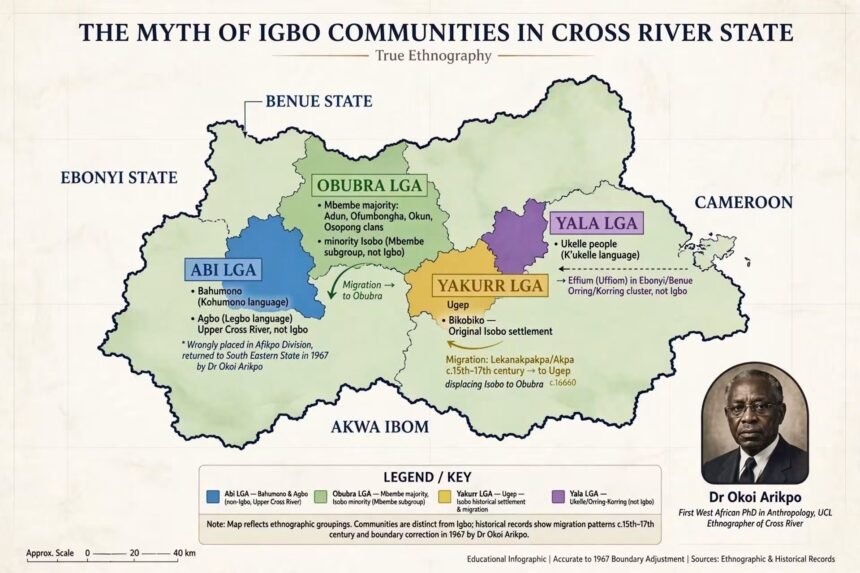
Those making this contention list the Isobo people of Obubra Local Government Area, Yakurr Local Government Area, and Abi Local Government Area as the Igbo communities in Cross River State. This claim is laughable and ridiculous.
The facts are clear. Abi Local Government Area is not Igbo. It is predominantly inhabited by the Bahumono and Agbo peoples, who speak Kohumono and Legbo respectively – both Upper Cross River languages, not Igbo.
As Dr. Okoi Arikpo(SAN) successfully argued before the Willink Commission and the 1967 state creation exercise, the Agbo people had been wrongly grouped into Afikpo Division of Ogoja and later Abakaliki Province through a politically motivated and manipulative gerrymander. He insisted they were part of the Ekoi and broader Cross River family and should belong to the South Eastern State. His argument prevailed, which is why Abi is today in Cross River State and not Ebonyi.
It is important to note who Dr. Arikpo was. He was an anthropologist and ethnographer – indeed the first West African to earn a PhD in Anthropology from University College London, University of London, United Kingdom. He was also a scholar who had written extensively on the ethnography of the Cross River region, including in his classic work The Development of Modern Nigeria (1967). His intervention was therefore not mere politics, but grounded in deep ethnographic knowledge.
The case of the Isobo people is even more revealing. The Isobo are not Igbo. They are a sub-group of the Mbembe people of Obubra Local Government Area. Obubra was established as a British Colonial District in 1902 with the majority Mbembe people – comprising the Adun, Ofumbongha, Okun and Osopong clans – and minority nationalities including the Isobo.
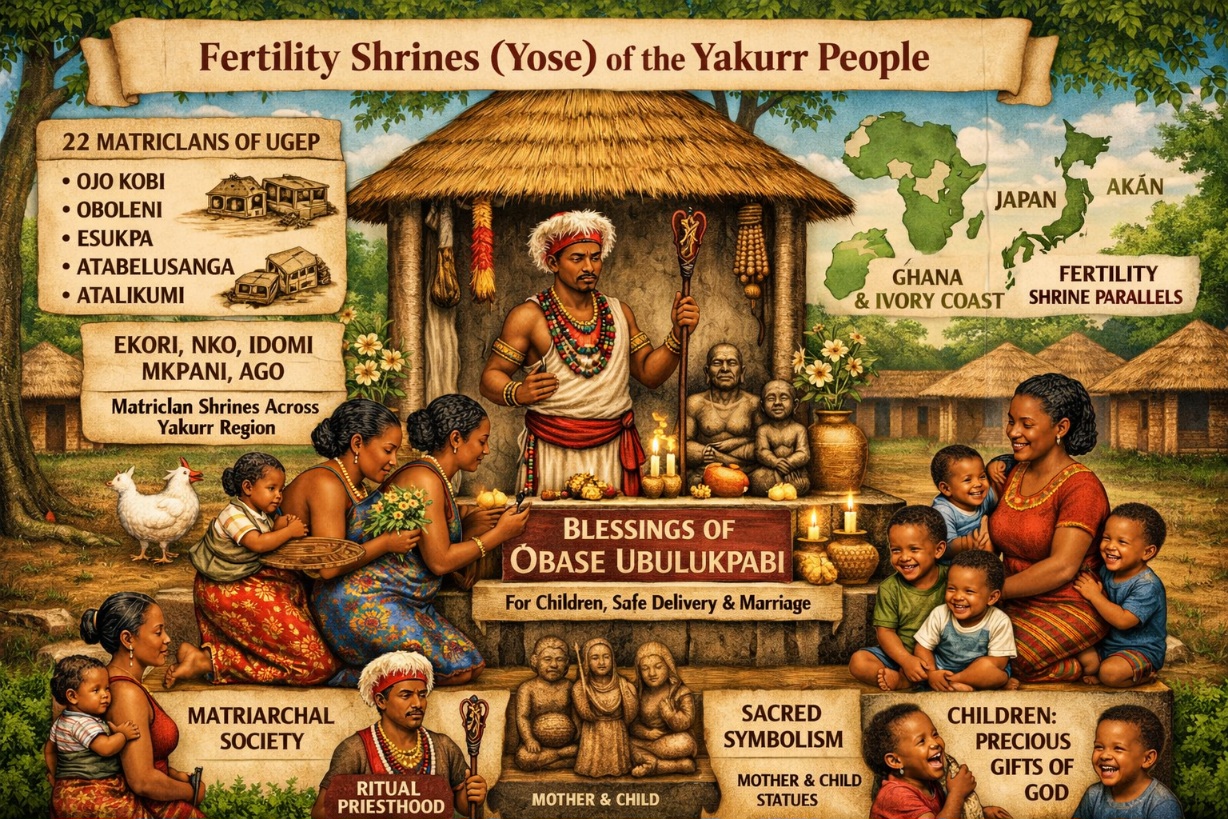
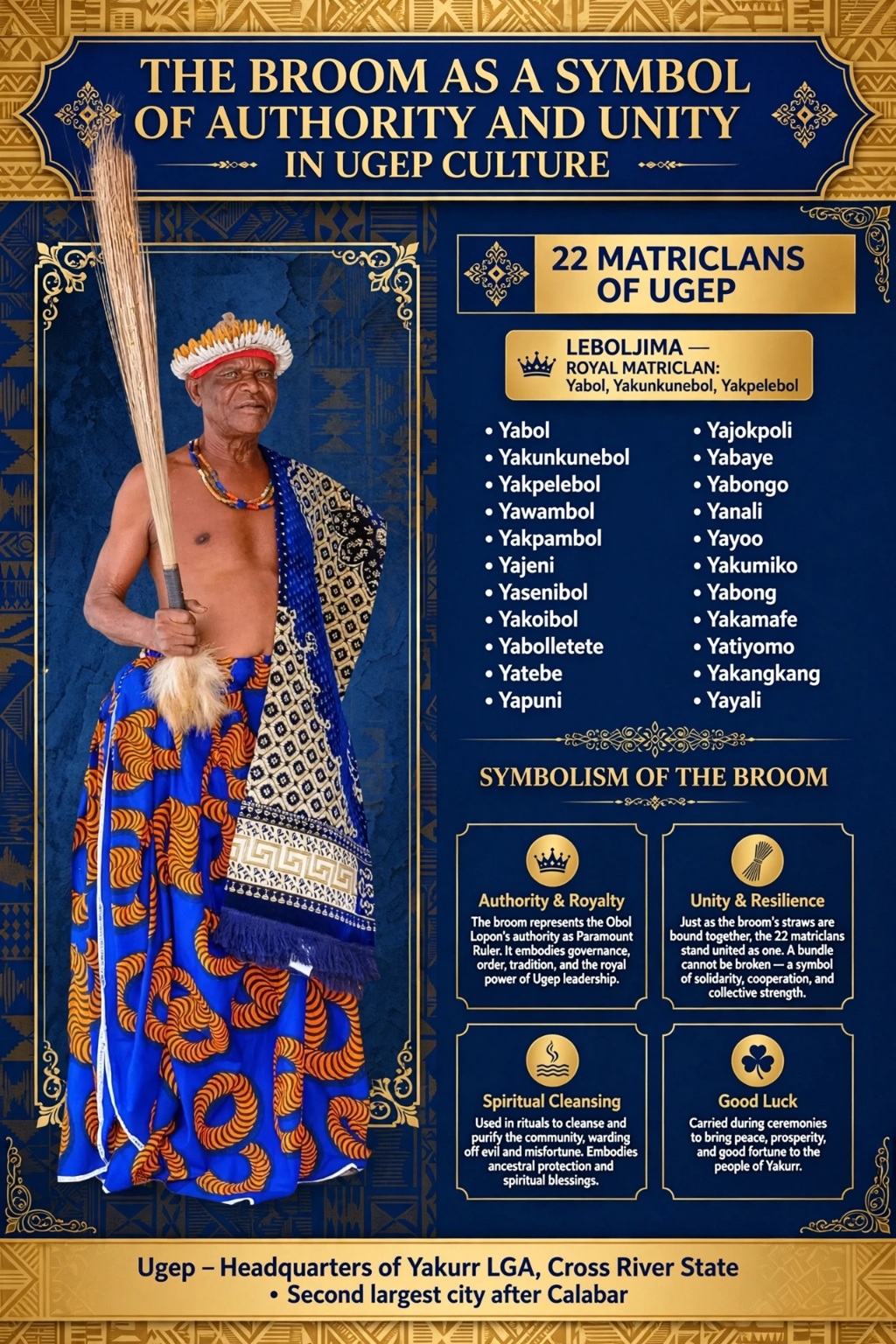
When the Yakurr people migrated from their ancestral home at Lekanakpakpa, or Akpa, in the first half of the 15th century and finally settled at Ugep around 1660, one of the groups they encountered there was the Isobo. The present Bikobiko town in Ugep was the original settlement of the Isobo people. They were subsequently dispersed and pushed to their present location in Obubra Local Government Area. Today, Bikobiko still survives as a quarter in Ugep, a living memory of its Isobo origin. Though they bear Igbo names and speak a dialect with a smattering of what sounds like an Igboid language due to centuries of proximity to Afikpo and Ikwo, they remain authentically Mbembe.
The same misrepresentation applies to the Effium people of Benue State, whom the proponents of this agenda also claim as Igbo. The Effium people are not Igbo. They are known as Ukelle people in Yala Local Government Area of Cross River State. Their origin is traceable to the Ukelle Kingdom in Cross River. Historical records and academic studies confirm that the Effium trace their origin to Uffiom in Ukelle. The Ukelle, Effium, Ntezi, Okpoto, Amuda, Utonkon and other related groups belong to the Orring or Korring ethnic cluster.
The Ukelle speak an Upper Cross River language – K’ukelle – which belongs to the Benue-Congo family and shares linguistic affinity with Ejagham, Efik and other Cross River languages. They are, therefore, authentic Cross River people and not Igbo.
All these forceful claims by some groups in Nigeria to subsume other distinct peoples into their own agenda or construct are improper. It smacks of a philosophy of supremacy that reigns supreme among people with a hegemonic mindset – a belief that they are superior and that these other groups, deemed inferior, should be completely and permanently discredited and assimilated. Unless checked, this will only breed disharmony and rancour.