
₦100,000 vs ₦500,000: The Wage War Exposing Nigeria’s Broken Social Contract
_By Comrade Kunle Sodipo FICSSM, MNINM, ANIPR_
kdrexafricanchild@gmail.com
_May 30, 2026_
When hunger speaks, figures stop being just numbers. They become survival equations.
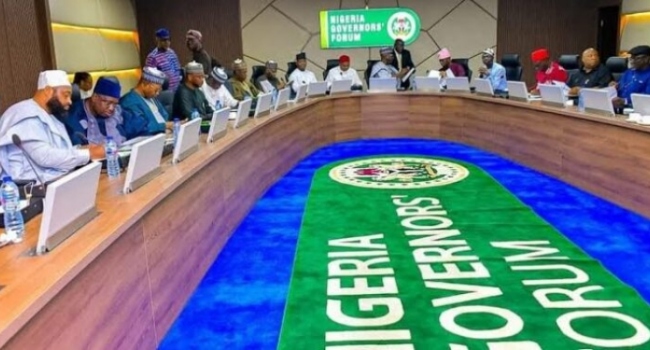
This week, two numbers dominated Nigeria’s economic conversation: ₦100,000 from the Nigeria Governors’ Forum, and ₦500,000 from activist Omoyele Sowore. One is a “proposal to cushion hardship.” The other is a “demand for dignity.” The space between them is where the truth about Nigeria’s economy lives.
1. ₦100,000: The Governor’s Math vs Worker’s Reality
The NGF, led by Kwara Governor AbdulRahman AbdulRazaq, says ₦100,000 is what states can “sustainably afford” while still building roads and paying bills. Their logic: balance workers’ welfare with government obligations.
But let’s do the math workers face daily:
1. Food: A bag of rice now hovers around ₦80,000-₦95,000. One month’s proposed minimum wage = less than 1.2 bags of rice.
2. Transport: Lagos-Abeokuta transport jumped from ₦1,000 to ₦3,500+. A worker commuting daily will spend ₦70,000+ monthly before salary even touches rent or school fees.
3. Inflation: NBS puts food inflation above 20%. ₦100,000 today has the purchasing power of ₦70,000 just 12 months ago.
So the governors’ “cushion” feels more like a bandage on a broken leg. They acknowledge “urgent need to improve welfare” but the proposed figure still traps workers in survival mode, not living mode.
2. ₦500,000: Sowore’s Number is a Mirror, Not Just a Demand
Sowore’s ₦500,000 minimum wage didn’t trend because people think it’s easy. It trended because it forced us to ask: “What is a living wage in 2026 Nigeria?”
A living wage isn’t about luxury. It’s the wage that lets a cleaner afford rent, garri, transport, and still have ₦5,000 left for emergencies without borrowing. In today’s Nigeria, that math doesn’t work at ₦70,000. It barely works at ₦100,000. ₦500,000 sounds extreme until you price basic dignity.
Sowore’s figure is reactive, yes. But it’s also insightful: it exposes how far policy proposals have drifted from the reality at the market, bus stop, and school gate.
3. The real issue: “Sustainability” for who?
Governors keep saying “sustainable for government finances.” Fair. No state should go bankrupt paying wages. But sustainability must be a two-way street.
A wage is only “sustainable” if the worker can also sustain life on it. A worker who spends 90% of ₦100,000 on food and transport cannot sustain health, education, or productivity. And a workforce that cannot sustain life cannot sustain the economy governors want to build.
Lagos, Rivers, Imo already pay above ₦70,000. If some states can stretch, the conversation must shift from “what we can afford” to “what we must prioritize.” Cutting waste, blocking leakages, and taxing the right people is also fiscal responsibility.
4. The way forward: From “minimum survival” to “minimum dignity”
Nigeria’s current ₦70,000 minimum wage died the moment inflation crossed 20%. ₦100,000 is progress, but it’s 2023 thinking in 2026 reality. ₦500,000 may be aspirational, but it sets the benchmark for what “dignity” costs.
What we need is a wage framework tied to inflation + cost of living, reviewed every 2 years, not every 5. What we need is governors and labour negotiating not as enemies, but as partners in keeping Nigeria working. What we need is leaders who feel the same pain at the market that their workers feel.
Final thought
The gap between ₦100,000 and ₦500,000 is not just ₦400,000. It’s the gap between policy and people, between spreadsheets and stomachs, between government rhetoric and worker reality.
Until that gap closes, every minimum wage debate will feel like an insult to every Nigerian workers. Workers don’t want to break government. They just want government to stop breaking them.
If ₦100,000 is “what states can pay” and ₦500,000 is “what life costs,” what should the actual minimum wage be in 2026? Let’s discuss.
WhatsApp: +2348033823808
Email: kdrexafricanchild@gmail.com