The Larger Picture of Nigeria’s 2027 Political Struggle and What’s at Stake
By Idowu Ephraim Faleye +2348132100608
Nigeria is approaching one of the most crucial elections in its history. As 2027 approaches, the debate is not just about who should win the presidency. Beneath the surface lies a struggle over power, history, and institutions that many citizens do not fully see. The issue goes beyond economic hardship or policy debates.
It concerns who controls the Nigerian state and whether the reforms under President Bola Ahmed Tinubu should continue. The Fulani elites are feeling the pressure of these reforms. The reforms are undoing structures that for decades enabled a minority elite to dominate the country.

Subsidy removal, currency unification, and revenue reforms are threatening their long-standing financial and political advantages. What was once taken for granted, i.e, control of patronage networks and influence over national direction is gradually slipping away.
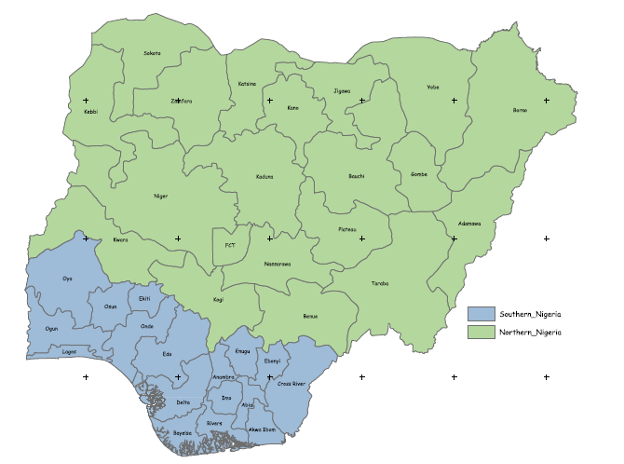
The roots of this dominance go back to British colonial rule which uses indirect rule to strengthened the Fulani aristocracy in the North and further allowed Fulani hegemony to used Hausa populations as instruments of control over the rest of the country.
They used: inflated census figures to increased Northern representation; Lopsided geopolitical arrangements to connered more states and resources; Religion to unified populations behind Fulani elite interests. The military structure reinforced Northern dominance, while divide-and-rule politics kept the South and Middle Belt fragmented.
Alhaji Maitama Sule once argued that ethnic groups had natural roles: Igbos in business, Yorubas in administration, and leadership as a Northern preserve. This view shaped a “born to rule” mindset among Northern elites. Over time, it influenced their political culture, the military, and state institutions which they dominated, reinforcing a belief that political control was their inherent right.
That mindset explains the resistance to Tinubu’s reforms. The advantages once enjoyed are being challenged. Subsidies, exchange rate distortions, and other financial instruments that supported elite patronage are being dismantled. Control over key economic levers has been reduced.
Unable to match Tinubu politically, Fulani elites have resorted to blackmail and campaigns centered on short-term hardship rather than policy substance. There have even been disturbing coup allegations involving Northern-dominated military elements, echoing historical patterns where the army served as a fallback instrument of power.
At the same time, after eight years of President Muhammadu Buhari in power, there is pressure to abandon the informal presidential rotation arrangement that have stabilized politics since 1999. Tinubu’s continuity now challenges the reassertion of Northern dominance.
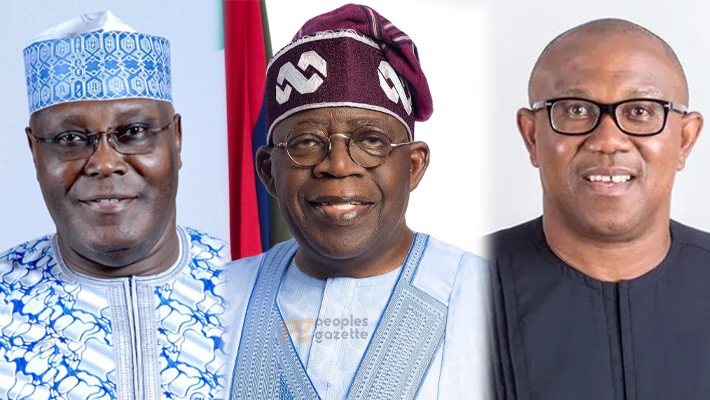
Part of the strategy to disrupt this continuity involves promoting Peter Obi as a Southern one-term option. The aim is to exploit the political naivety, especially in the Southeast and divide Southern votes and reset the power equation. The issue is not individual competence but how political alignment can be used to weaken reform momentum. The contest is less about who wins and more about restoring lost control.
If that shift occurs, the consequences could be serious. The Middle Belt and South risk reduced political influence. Native Hausa communities may remain under elite Fulani dominance. Policies such as dual exchange rates, unchecked oil theft, subsidy payments, illegal mining, and rural insecurity could resurface. There may also be renewed pressure for wider Sharia expansion, demographic shifts from the Sahel, and stronger religious political influence.
History shows that Northern dominance relied on demographics, military influence, religion, and divide-and-rule politics. Efforts to challenge it often faced institutional resistance. That is why 2027 is more than an election. It is about whether long-standing structures remain or whether reform can entrench accountability and balance.
Tinubu’s policies directly confront entrenched networks in petroleum subsidies, foreign exchange manipulation, oil bunkering, customs rackets, and fiscal leakages. These reforms reduce elite leverage and aim to create transparency. That is why continuity matters.
No other candidate is positioned to pursue these structural reforms while resisting backlash from powerful networks of Petroleum-subsidy mafia, Foreign-Exchange/Bureau-de-change mafia, Oil-bunkering mafia, and Custom & Exercise mafia. Citizens must look beyond temporary hardship and examine long-term institutional change. Campaigns of calumny, economic fear, vote division, and even military whispers reflect efforts to preserve old advantages.
The real issue is not personality but whether reform survives. Since colonial times, tools such as inflated statistics, structural imbalance, religion, and military control sustained dominance. Current reforms weaken those levers. That explains the resistance and the challenge to zoning principles.
The 2027 election therefore represents a structural choice. If reforms are reversed, the country risks returning to a system where a minority elite controls resources and shapes development pace to its advantage. Gains in transparency and fiscal discipline could be undone.
Supporting continuity is not about personal loyalty. It is about protecting systemic change. Confronting subsidy cartels, exchange-rate manipulation, oil theft networks, and customs leakages requires political strength and continuity.
Nigeria now stands at a crossroads. One path sustains reforms that rebalance power and opportunity. The other risks a return to entrenched dominance. The stakes are institutional and generational.
Allowing reforms to mature offers stability and equity. Interrupting them risks restoring patterns that favored a minority for decades.
As Nigerians consider 2027, the choice will define more than a presidency. It will shape whether the state serves all citizens equally or reverts to narrow elite interests. For the future of the country, reform continuity remains the central question.
*@ 2026 EphraimHill DataBlog. Idowu Ephraim Faleye is a freelance writer promoting good governance and public service delivery. +2348132100608*