

By Okoi Obono-Obla
Cultural Bonds Beyond Colonial Boundaries: The Bahumono and Yakurr Connection-
Historical Background
Before the intrusion of colonialism in the 17th, 18th, and 19th centuries, African communities enjoyed cordial, friendly, and amicable inter-group relationships. Our ancestors forged spiritual, economic, and political ties that transcended language and dialect differences. Despite speaking diverse tongues, they regarded themselves as one indivisible entity, bound by shared traditions and mutual respect.
The Trek as Symbolism
Earlier this week, something significant happened in Ugep, Yakurr Local Government Area of Cross River State, that buttresses this point. The King of Anong community, along with his entourage from Abi Local Government Area, embarked on a long trek to Ugep to perform rites and appease the deities and gods there. This symbolic act demonstrated that Ugep and Anong are intricately bonded as one, reinforcing centuries-old traditions of fraternity and cultural diplomacy.
The Bahumono People
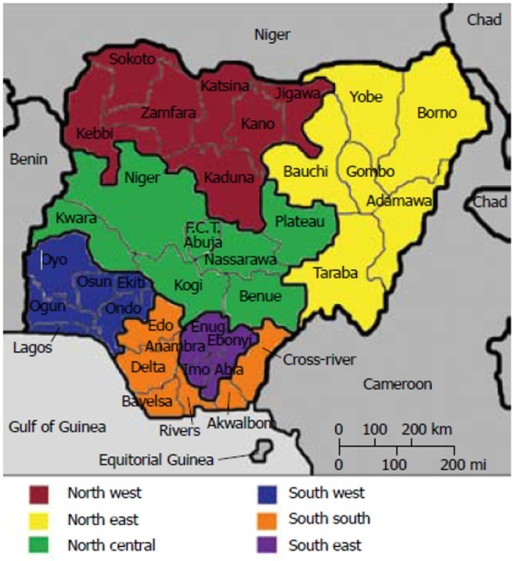
Anong, a riverine community lying on the bank of the Cross River, is about 20 kilometres from Ugep and close to Ediba and Ekori. The Bahumono (or Kohumono) people, an ethnic group in Nigeria, primarily reside in Abi Local Government Area of Cross River State. As the largest group in this region, they live along the Cross River and speak the Kohumono language. Traditionally, they are farmers and fishermen.
They inhabit eight major villages in Abi: Ebijakara (Ebriba), Ebom, Ediba, Usumutong, Anong, Igonigoni, Afafanyi, and Abeugo. Their language, Kohumono, belongs to the Upper Cross River branch of the Benue-Congo group within the Niger-Congo family. Interestingly, they also speak Yakurr (Leko). This linguistic and cultural overlap highlights the deep interconnection between the Bahumono and Yakurr peoples.
Colonial Disruptions
The trek carried out by the Monarch of Anong to Ugep reinforces the close cultural heritage, diplomatic ties, and fraternity these two communities have enjoyed for centuries. However, Western intrusion disrupted these bonds, introducing tribalism and division. Colonial boundaries created artificial separations, fostering suspicion and mistrust among communities that had previously lived in harmony. Before colonialism, Africans moved freely between communities without passports or visas, united by shared traditions and mutual respect.
Lessons for Today
The trek from Anong to Ugep is more than a ritual; it is a living testimony of the resilience of African unity and cultural diplomacy. It reminds us that our ancestors built bridges of fraternity long before colonial boundaries sought to divide us. Preserving these traditions is essential to overcoming modern divisions and rekindling the spirit of oneness that defined African societies.












Leave a comment