

By Okoi Obono-Obla
Is the End of NATO in Sight?
The North Atlantic Treaty Organisation (NATO), otherwise known as the Atlantic Alliance, was founded in 1949 by the United States of America and Western European countries such as the United Kingdom, Canada, France, Germany, Spain, Italy, Denmark, and Turkey. It soon became a military bulwark designed to check the expansion of the ideological influence of the Soviet Union of Socialist Republics (USSR), which emerged after the Second World War as a conglomeration of communist blocs. These two blocs became enmeshed in an ideological battle dubbed the Cold War, struggling fiercely for influence and strength, each acting as a deterrent against the other. This continued until the USSR succumbed to the winds of change that swept across the world from the late 1980s to the early 1990s. The introduction of glasnost and perestroika brought profound changes that proved catastrophic, leading to the collapse of the Soviet Union and the disintegration of the union forged after the Bolshevik Revolution and consolidated during the Second World War.
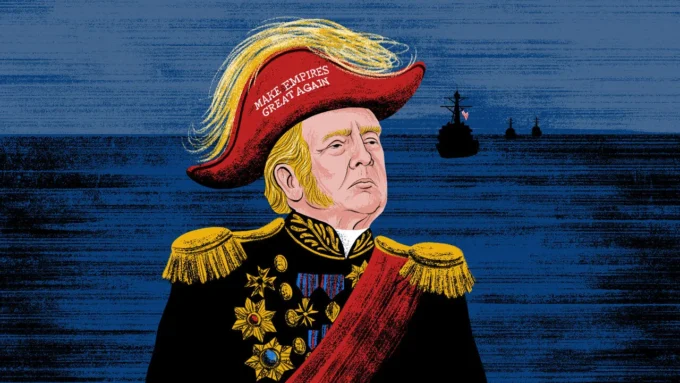
The cookie began to crumble for NATO when President Donald Trump arrived on the American political scene, winning the 2016 presidential election with his message of “Make America Great Again” and a strong emphasis on American nationalism. His approach reduced the globalist agenda that had shaped American economic and foreign policy since the end of the Second World War and the emergence of a new international order based on multilateralism and respect for sovereignty and international law. During his presidency, the United States scaled down its role in international diplomacy and cooperation, withdrawing from several international organisations such as the World Health Organisation, reducing support for the World Trade Organisation, and cutting financial contributions to the United Nations. On NATO, President Trump launched blistering criticisms of other member states for failing to adequately finance the organisation, leaving the USA to bear the greater burden of sustaining it.

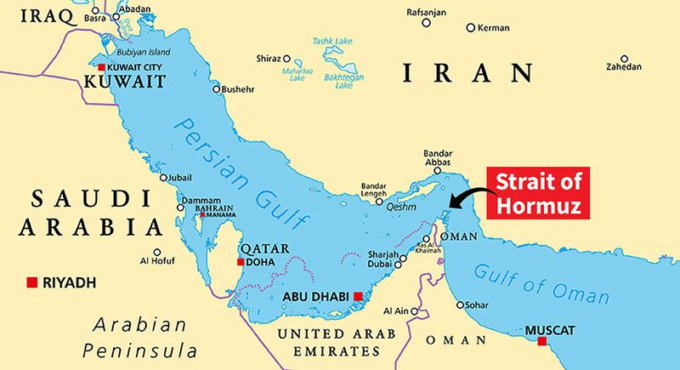
Tensions escalated when NATO countries, particularly in Europe, blocked Trump’s efforts to annex Greenland from Denmark, a fellow NATO member. At one point, Trump even threatened military action to take over Greenland if Denmark refused to sell. Matters worsened on 28 February 2026 when the United States and Israel jointly attacked Iran without informing other NATO members. This caused consternation within the alliance. Later, Trump attempted to compel NATO countries to join naval manoeuvres to clear the strategic Strait of Hormuz, which Iran had blocked to international shipping, leading to a spike in oil and gas prices that hit hard across NATO economies. European members refused, and on 17 March 2026, Trump reacted by suggesting that he no longer needed NATO to prosecute the war against Iran.
Conclusion-
The question of whether NATO’s end is in sight remains complex. While internal divisions, shifting U.S. priorities, and unilateral actions have strained the alliance, NATO has historically adapted to crises. Its survival will depend on whether member states can reconcile national interests with collective security. The current turbulence may not spell the immediate end of NATO, but it certainly signals a critical juncture that could redefine its role in global affairs.
















Leave a comment