
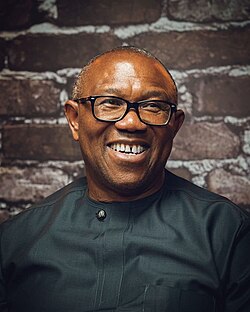

𝗧𝗛𝗘 𝗣𝗢𝗟𝗜𝗧𝗜𝗖𝗔𝗟 𝗖𝗔𝗟𝗖𝗨𝗟𝗨𝗦 𝗙𝗢𝗥 𝗣𝗘𝗧𝗘𝗥 𝗢𝗕𝗜: 𝗔𝗡 𝗔𝗡𝗔𝗟𝗬𝗦𝗜𝗦 𝗢𝗙 𝗧𝗛𝗘 𝟮𝟬𝟮𝟳 𝗘𝗟𝗘𝗖𝗧𝗢𝗥𝗔𝗟 𝗟𝗔𝗡𝗗𝗦𝗖𝗔𝗣𝗘
𝑩𝒚 𝑨𝒌𝒊𝒏𝒍𝒂𝒚𝒐 𝑶𝒎𝒐𝒛-𝑶𝒂𝒓𝒉𝒆
It appears that Peter Obi’s political road has reached a dead end. Barring a miracle, his presidential ambition for 2027 may be over before it begins. The former Labour Party candidate now faces a procedural trap laid by the very electoral laws he seemingly overlooked, leaving him with few viable options.
𝗧𝗵𝗲 𝗟𝗲𝗴𝗮𝗹 𝗠𝗮𝘇𝗲: 𝗔 𝗧𝗶𝗺𝗲𝗹𝗶𝗻𝗲 𝗧𝗵𝗮𝘁 𝗟𝗲𝗮𝘃𝗲𝘀 𝗡𝗼 𝗥𝗼𝗼𝗺
The path to the 2027 presidency is now governed by strict timelines that make the kind of political maneuvering Obi executed in 2022 impossible.
1. 𝗠𝗲𝗺𝗯𝗲𝗿𝘀𝗵𝗶𝗽 𝗥𝗲𝗴𝗶𝘀𝘁𝗿𝗮𝘁𝗶𝗼𝗻: The Electoral Act mandates that a candidate must be a duly registered, electronically verified member of the political party under which they intend to run. Peter Obi has now registered with the African Democratic Congress (ADC) in his Agulu Ward.
2. 𝗡𝗼 𝗗𝘂𝗮𝗹 𝗠𝗲𝗺𝗯𝗲𝗿𝘀𝗵𝗶𝗽: It is a criminal offence under the Act to hold membership in two political parties simultaneously. Having joined the ADC, Obi cannot simply decamp to another platform without first renouncing his current membership.
3. 𝗧𝗵𝗲 𝗜𝗡𝗘𝗖 𝗗𝗲𝗮𝗱𝗹𝗶𝗻𝗲: All political parties are required to submit their complete electronic membership registers to the Independent National Electoral Commission (INEC) by April 2, 2026. Only individuals whose names appear on a party’s register submitted by this date will be recognized for participation in the 2027 general elections. April 2 is exactly 3 weeks from now.
4. 𝗣𝗮𝗿𝘁𝘆 𝗣𝗿𝗶𝗺𝗮𝗿𝗶𝗲𝘀: Following the submission of registers, parties must conduct their primaries between April 23 and May 30, 2026.
𝗧𝗵𝗲 𝗶𝗺𝗽𝗹𝗶𝗰𝗮𝘁𝗶𝗼𝗻 𝗶𝘀 𝗰𝗹𝗲𝗮𝗿: the era of a candidate losing one party’s primary and immediately decamping to another to secure a nomination, as happened in 2022, is over. The candidate you are in May 2026 must have been a registered member of that party since at least early April.
𝗧𝗵𝗲 𝗔𝗗𝗖 𝗥𝗲𝗮𝗹𝗶𝘁𝘆: 𝗔 𝗡𝗼𝗿𝘁𝗵𝗲𝗿𝗻 𝗙𝗼𝗿𝘁𝗿𝗲𝘀𝘀
This is where Peter Obi faces a critical challenge. The ADC is currently on a nationwide membership registration drive, which officially ends on March 16, 2026. This register is the one that will be submitted to INEC. While Peter Obi’s name will be on it, he is walking into a party whose membership demographics have already been decisively shaped by others.
The zonal breakdown of registered ADC members as of March 11, 2026, just a week before the end of registration, reveals a stark reality:
· 𝗡𝗼𝗿𝘁𝗵𝗲𝗮𝘀𝘁:……… 256,966 (40.67%)
· 𝗡𝗼𝗿𝘁𝗵𝘄𝗲𝘀𝘁:………191,948 (30.38%)
· 𝗡𝗼𝗿𝘁𝗵 𝗖𝗲𝗻𝘁𝗿𝗮𝗹:…..87,937 (13.92%)
· 𝗦𝗼𝘂𝘁𝗵𝘄𝗲𝘀𝘁: 𝗹……..37,644 (5.96%)
· 𝗦𝗼𝘂𝘁𝗵-𝗦𝗼𝘂𝘁𝗵:…….35,944 (5.69%)
· 𝗦𝗼𝘂𝘁𝗵𝗲𝗮𝘀𝘁:………..23,296 (3.69%)
· 𝗔𝗯𝘂𝗷𝗮 𝗙𝗖𝗧:………….8,998 (1.42%)
These figures paint a clear picture: the ADC is now overwhelmingly a northern party, with over 85% of its registered members from the North. While Obi was engaging in media tours and market rallies, his principal rival, Atiku Abubakar, was methodically mobilizing his base into the ADC.
The Electoral Act now mandates direct primaries, meaning every registered member is eligible to vote. With these numbers, Peter Obi stands no chance of securing the ADC’s presidential nomination. The party’s structure and membership base have been built around Atiku Abubakar. I do not think that there is a single ADC Office in the Southeast
𝗪𝗵𝗮𝘁 𝗢𝗽𝘁𝗶𝗼𝗻𝘀 𝗥𝗲𝗺𝗮𝗶𝗻?
Given this reality, what paths are left for Peter Obi?
1. 𝗧𝗵𝗲 𝗗𝗲𝘀𝗽𝗲𝗿𝗮𝘁𝗲 𝗟𝗲𝗮𝗽: This is not new to Peter Obi. He could renounce his ADC membership and attempt to jump to the Labour Party (LP) or the newly registered NDC, hoping to be welcomed as a presidential candidate. However, this would require him to navigate the complex legal process of changing parties, and any new party would have to have its register submitted to INEC by April 2nd, a timeline that is just too tight for him now but still possible.
2. 𝗧𝗵𝗲 𝗩𝗶𝗰𝗲-𝗣𝗿𝗲𝘀𝗶𝗱𝗲𝗻𝘁𝗶𝗮𝗹 𝗚𝗮𝗺𝗯𝗹𝗲: The most plausible scenario is that he is now positioning himself to be a running mate, most likely to Atiku Abubakar. However, this is far from a certainty for several reasons:
••𝗧𝗵𝗲 𝟮𝟬𝟮𝟯 𝗪𝗼𝘂𝗻𝗱: Many political analysts believe Obi’s campaign was a primary factor in Atiku’s 2023 loss, splitting the vote and denying the opposition a cohesive front. It would be a significant political concession for Atiku to reward the man widely seen as the architect of his previous defeat.
•• 𝗧𝗵𝗲 𝗙𝗶𝗻𝗮𝗻𝗰𝗶𝗮𝗹 𝗤𝘂𝗲𝘀𝘁𝗶𝗼𝗻: In 2019, Atiku selected Obi as his running mate partly on the assumption that he would leverage his network to fund the campaign. That financial backing never materialized. Peter Obi does not have funds of that magnitude. He is majorly funded by Wealthy Igbo diaspora investors with a very deep interest in an Igbo presidency. They are focused on a top-tier candidate, not a vice-presidential slot, and Atiku is unlikely to be fooled twice. That funding will not come with Peter Obi as Running Mate.
••𝗔𝗹𝘁𝗲𝗿𝗻𝗮𝘁𝗶𝘃𝗲 𝗔𝗹𝗹𝗶𝗮𝗻𝗰𝗲𝘀 𝗙𝗼𝗿 𝗔𝘁𝗶𝗸𝘂: Atiku may instead look for a candidate with tangible political assets in the North. Rotimi Amaechi, for instance, has residual goodwill in the Northwest from his tenure as Minister of Transport, where he oversaw major railway projects in the region. He even decided to construct a railway line into the Niger Republic. He cultivated relationships with international partners – The Chinese. It was even a loud rumour in 2022 that the Chinese were ready to bankroll his presidential campaign if he got the APC ticket. As Running Mate to Atiku, maybe that line is still open apart from the man being loaded now.
𝗖𝗼𝗻𝗰𝗹𝘂𝘀𝗶𝗼𝗻: 𝗔 𝗖𝗮𝘀𝗲 𝗼𝗳 𝗣𝗼𝗹𝗶𝘁𝗶𝗰𝗮𝗹 𝗡𝗮𝗶𝘃𝗲𝘁𝘆?
The situation Peter Obi finds himself in suggests a fundamental misreading of the political landscape. He appears to have mistaken social media enthusiasm, television appearances, and adoring crowds at public events for genuine political structure. Polling units are not won in markets or churches; they are won by grassroots mobilization and registration.
His failure to engage with the legislative process and anticipate the strict enforcement of the Electoral Act has proven costly. While his predecessors in the race were quietly building numbers within a party structure, he remained unaffiliated, confident that his noised “popularity” with the mobbish OBIdients alone would deliver a nomination.
From the perspective of the law and the arithmetic of party membership, the prognosis is clear for Peter Obi’s 2027 presidential ambition: “𝑶 𝒇𝒐𝒏é𝒆 — 𝒊𝒕 𝒊𝒔 𝒇𝒊𝒏𝒊𝒔𝒉𝒆𝒅”
𝑩𝒚 𝑨𝒌𝒊𝒏𝒍𝒂𝒚𝒐 𝑶𝒎𝒐𝒛-𝑶𝒂𝒓𝒉𝒆













Leave a comment