


Iran War, Rising Oil Prices and the Nigerian Economic Opportunity
————————-
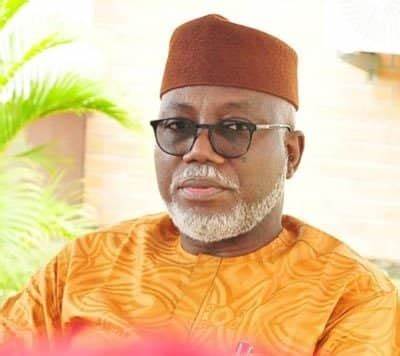
Prof. Adegbenga Onabamiro.
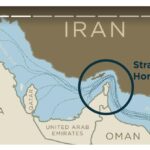
Recent geopolitical developments in the Middle East, particularly the escalating tensions involving Israel, the United States, and Iran, have once again reminded the whole world of how fragile the global economic system can be. Predictions made by analysts many years ago about the possibility of a confrontation in that region is unfolding today. As expected, the consequences are already reverberating across the global economy.
One of the most immediate impacts has been the sharp rise in the price of crude oil. Because the Middle East remains a strategic hub for global energy supply, any disruption in that region quickly affects international oil markets. With rising oil prices come increases in transportation costs, production expenses, and ultimately the price of household commodities. Across the world, including Nigeria, citizens are already feeling the pressure as food prices and basic living costs continue to climb.
For Nigeria, however, this situation presents a paradox. While the rising cost of petroleum products places a heavy burden on households, the country also stands to benefit from increased revenue due to higher global oil prices, the opportunity the government should utilize to cushion the economic hardship faced by citizens.
The government must ensure that Nigeria maximizes its crude oil production within the framework of international agreements. Persistent issues such as crude oil theft, pipeline vandalism, and underinvestment in the oil sector have often prevented the country from fully benefiting during periods of high oil prices. Addressing these structural challenges should therefore, be an immediate priority.
Also, any additional revenue generated from higher oil prices must be directed toward strengthening foreign reserves, stabilizing the national currency, and investing in infrastructure that can stimulate long-term economic growth.
The government must accelerate efforts to strengthen domestic refining capacity. It is known to all that for decades, Nigeria has remained heavily dependent on imported refined petroleum products despite being one of the world’s major crude oil producers. Expanding local refining will help insulate the country from global supply disruptions and reduce the volatility of fuel prices.
Equally important is the need to protect vulnerable citizens from the inflationary pressures triggered by global crises. Targeted interventions such as improved public transportation systems, agricultural support programs, and strategic food reserves can help moderate the impact of rising commodity prices.
At the same time, it is important to acknowledge that those of us offering public commentary may not be fully aware of all the measures already being considered or implemented by the government. Nonetheless, I am confident that the government, guided by its Renewed Hope Agenda, is aware of the growing concerns and outcry among the masses and is not folding its arms in the face of these global developments. Nigerians should remain assured that their welfare will not be ignored, and that efforts will be made to ensure that citizens do not languish while the international crisis persists.
Finally, the present situation reinforces a lesson Nigeria has repeatedly learned but often failed to fully implement: the urgent need to diversify the economy. Overdependence on oil revenue leaves the nation vulnerable to external shocks. Investing more aggressively in agriculture, manufacturing, technology, and human capital development will provide a more stable and resilient economic future.
Global crises often expose both the weaknesses and opportunities within national economies. For Nigeria, the unfolding Middle East conflict should serve not only as a warning but also as a call for strategic action. If managed wisely, the current rise in oil prices could become an opportunity to strengthen the economy and improve the welfare of citizens.
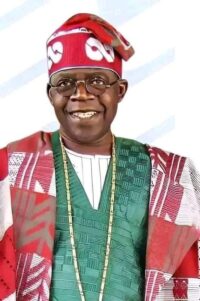
If mismanaged, the present situation could easily become another missed opportunity in the nation’s long history of oil-driven economic cycles. However, there is reason to be optimistic. With the leadership of President Bola Ahmed Tinubu and the policy direction under the Renewed Hope Agenda, Nigerians expect that the lessons of the past will guide present decisions. Given the emphasis on purposeful leadership and prudent economic reforms, there is a growing confidence that this moment will not be allowed to slip into mismanagement, but rather be transformed into an opportunity for national economic strengthening and relief for the Nigerian people.
*✍🏽PROF. GBENGA ONABAMIRO IS A COUNSELLING PSYCHOLOGIST AND A PUBLIC AFFAIRS ANALYST.*










Leave a comment