
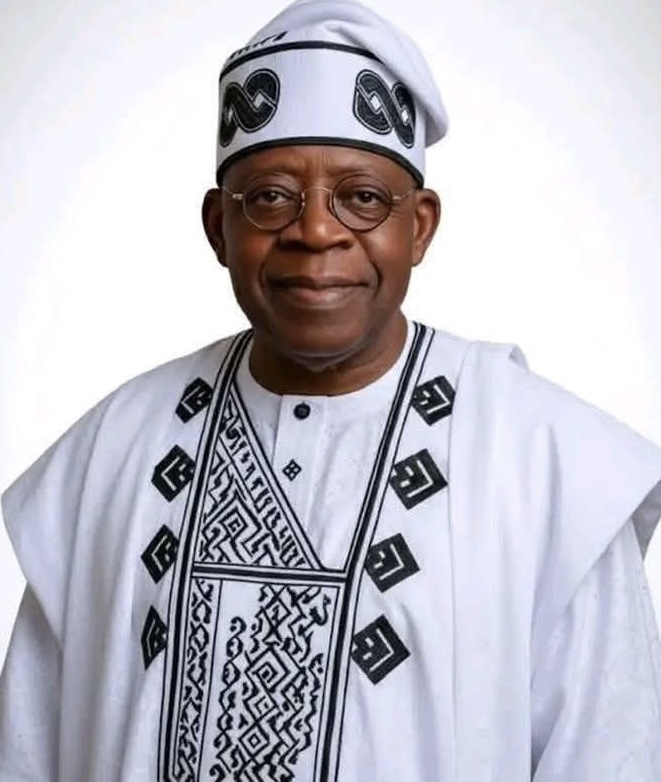

Tinubu’s Gas Reforms Are Turning Nigeria’s Energy Wealth into Everyday Benefits
Nigeria sits on one of the largest natural gas reserves in the world, yet for decades, that advantage was underused.
President Bola Ahmed Tinubu’s administration has made gas the centrepiece of a practical energy transition, one that boosts power supply, lowers costs for households and businesses, and attracts investment.
The goal is simple: move gas from being a “sleeping giant” to a working engine of growth that Nigerians can feel in their daily lives.
At the heart of the reforms is a push to fix long-standing bottlenecks across the gas value chain, from production and processing to transportation and distribution.
The Federal Government has prioritized clearer rules, faster approvals, and stronger coordination among regulators so projects can move from paper to pipelines.
By strengthening the legal and commercial framework created in recent years and aligning agencies around delivery, the Tinubu administration is making it easier for investors to commit capital and for operators to bring new volumes of gas to market.
Infrastructure is the second big pillar. New and rehabilitated pipelines, expanded processing capacity, and gas hubs are being promoted to ensure supply reaches power plants, industries, and households.
This matters because reliable gas means more stable electricity, lower reliance on expensive diesel, and better competitiveness for manufacturers.
Every extra molecule of gas that reaches the grid helps cut outages, reduce production costs, and keep prices in check, wins that ripple across the economy.
Policies are steering gas toward power generation, fertilizer and petrochemicals, and compressed natural gas (CNG) for transport.
The CNG drive, in particular, offers immediate relief for commuters and logistics operators by providing a cheaper, cleaner alternative to petrol and diesel.
For small businesses, artisans, and transporters, that translates into lower operating costs and higher margins, real money saved, not abstract policy talk.
By tightening oversight, standardizing contracts, and improving data and metering, the government is reducing losses, curbing waste, and ensuring value for money.
These steps build confidence with investors while protecting consumers, and they help states and communities see tangible benefits from projects, jobs during construction, skills transfer, and longer-term economic activity around energy corridors.
Put together, Tinubu’s gas agenda is about turning resource potential into shared prosperity.
More gas to power plants means brighter homes and stronger factories.
More gas to industry means more jobs and cheaper goods.
More gas to transport means lower fares and cleaner air.
It’s a practical, pro-growth reform story: use what Nigeria has in abundance, fix the system that delivers it, and make sure the gains reach Nigerians in every region of the country.














Leave a comment