

by Okoi Obono-Obla
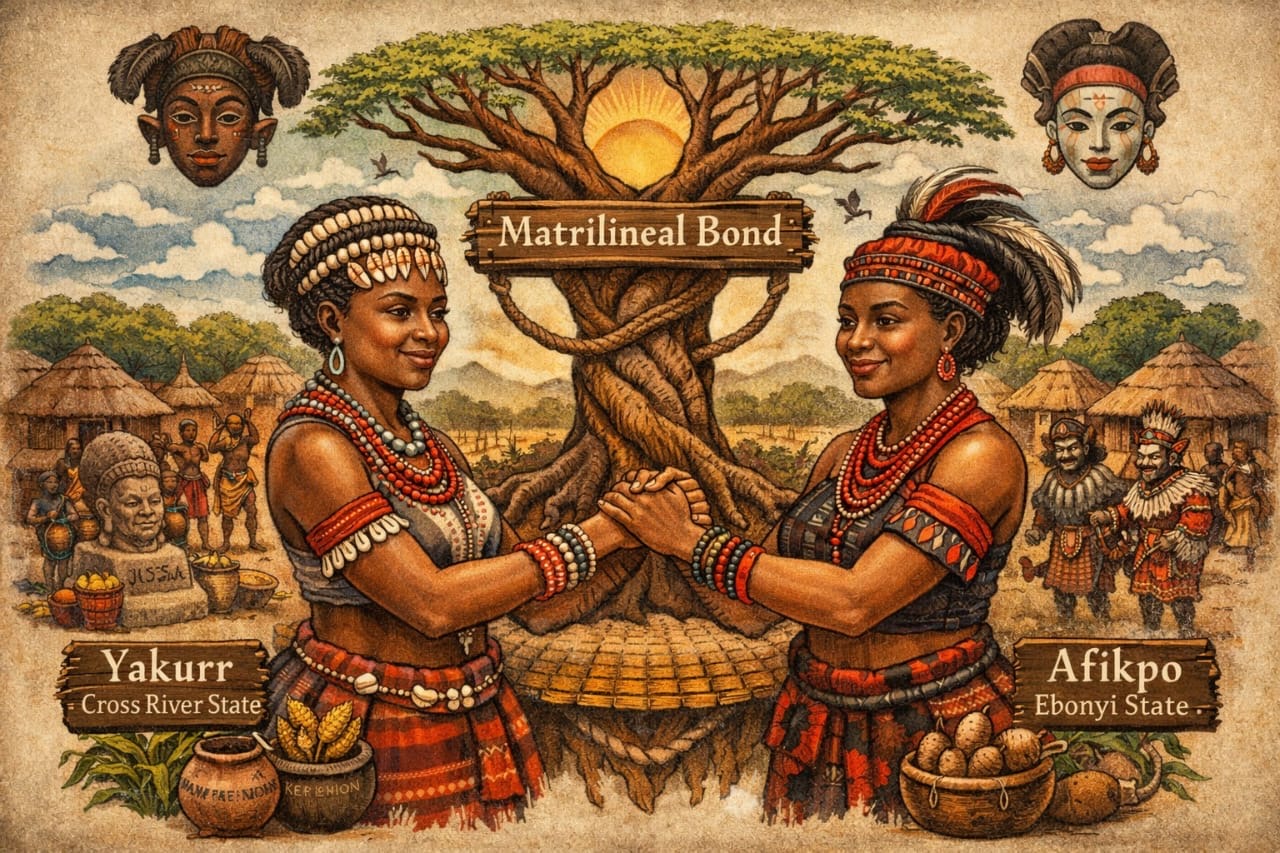
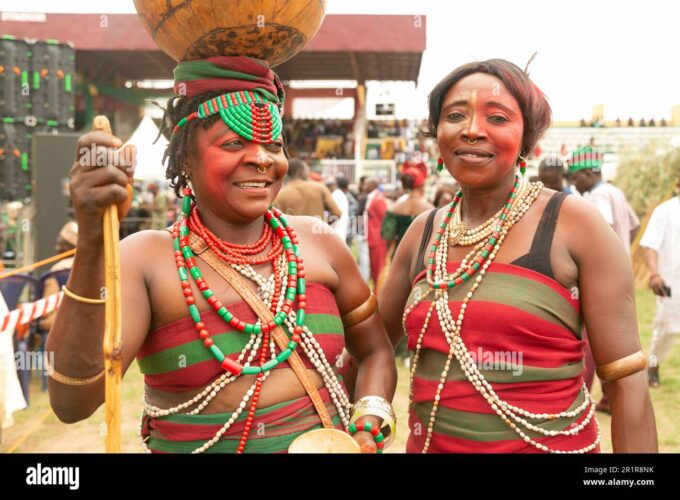
The Yakurr people are Middle Cross River people in Cross River State. Broadly, they are categorized as Ekoi. On the other hand, the Afikpo people are considered a sub-group of the larger Igbo ethnic nationality in Nigeria.
Afikpo North and South Local Government Areas are in Ebonyi State, one of the states in the Nigerian federation that shares a boundary with Cross River State. Afikpo borders Abi and Biase Local Government Areas, which in turn share boundaries with Yakurr Local Government Area of Cross River State.
Despite belonging to different ethnicities and states, the Yakurr and Afikpo people display striking similarities in customs, traditions, and social structures. This raises fascinating questions about how two distinct groups could share such deep cultural identities.
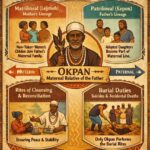
One of the most notable social institutions connecting Yakurr and Afikpo is the matrilineal clan system. Among the Yakurr, social structure is defined by dual kinship: patrilineal (Kepon) and matrilineal (Lejimo). In Afikpo, according to Nelson Abani, the term Ikwu refers to matrilineal clans or lineages, which are central to group identity and social cohesion. Farmland, a vital resource, is largely controlled by these clans.
Abani identifies 36 matrilineal clans in Afikpo, including Ibe Ali Ocha, Ibe Aja Isu, Ibe Anuma, Ibe Amala, Ibe Chi Ugo, Ibe Awo, Ibe Eheghe, Ibe Edo, Ibe Ewu Ali, Ibe Enyi Enyum, among others.
In contrast, Mathias Uyouyo, in his seminal work Yakurr System of Kinship, documents 91 matrilineal clans across Yakurr communities such as Ugep, Ekori, Nko, Idomi, and Mkpani. Some of these clans extend into neighboring areas like Assiga, Agoi, Abi, Biase, Akamkpa, Obubra, and even Afikpo.
Examples of Yakurr Matrilineal Clans:
– Ugep: Yabọl, Yakunkunẹbọl, Yakpelebọl, Yawambọl, Yakpambọl, Yajeni, Yasenibọl, Yakọibọl, Yabọlletete, Yatebe, Yapuni, Yajokpọli, Yabayẹ, Yabongọ, Yanali, Yayọọ, Yakumikọ, Yabọng, Yakamafẹ, Yatiyomọ, Yakangkang, Yayali.
– Ekori: Lẹbọljimạ, Yawambọl, Yatebe, Yapuni, Yatiyọmọ, Yayam, Yabayẹn, Yajokpọli, Yatakonga, Yayọọ, Yabangbọl, Yakọibọl, Yaplang, Yatatangabọl, Yakpolo, Yajeni.
– Nko: Yawambọl, Yakọibọl, Yapuni, Yatiyọmọ, Yayọọ, Yakei, Yajokpọli, Yakaboli, Yasanga, Yafilkọl, Yakamakama, Yakpokponga, Yatebe, Yaplang, Yakamafe.
– Idomi: Lẹbọljimạ, Yabọng, Yapali, Yabongọ, Yatatangabọl, Yabayẹn, Yakpan, Yapuni, Yatiyọmọ, Yayọọ, Yakọibọl, Yanali, Yajokpọli, Yawambọl, Yalasi, Yakunkunebọl, Yakumikọ, Yabọletete, Yakangkang, Yakpolo, Yatebe, Yakpali.
– Mkpani: Yabọletete, Yabangbọl, Yawambọl, Yatiyọmọ, Yayam, Yanali, Yakamafẹ, Yabayẹn, Yabongọ, Yapuni, Yajokpọli, Yatebebọl, Yakpele, Yayọọ, Yajeni, Yakpon.
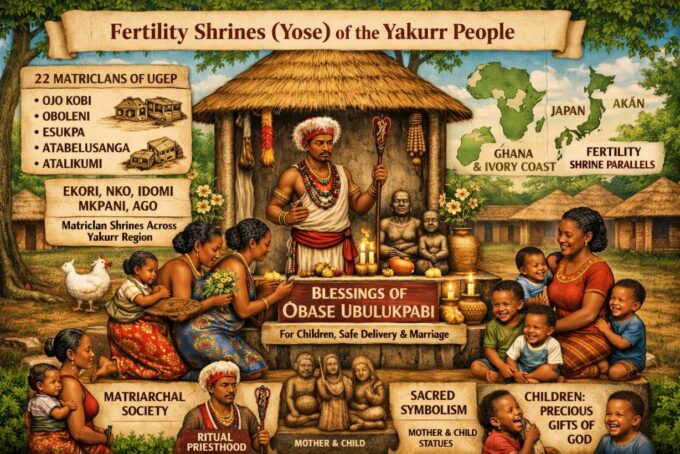
Each clan maintains fertility shrines known as yọsẹ. Interestingly, some clans share shrines with identical names. For example, the Yabọl, Yakunkunẹbọl, and Yakpelebọl (Leboljimo) all share the shrine Ojokobi.
Conclusion:
The parallels between Yakurr and Afikpo matrilineal systems highlight a remarkable cultural interconnectedness across ethnic boundaries. Despite being classified under different ethnic identities—Ekoi and Igbo—their shared traditions of matrilineal descent, fertility shrines, and clan-based social organization suggest deep historical ties and cultural exchanges. This interconnectedness underscores the fluidity of identity and tradition in Nigeria’s diverse cultural landscape.
@ Okoi Obono-Obla












Leave a comment