By Boma West
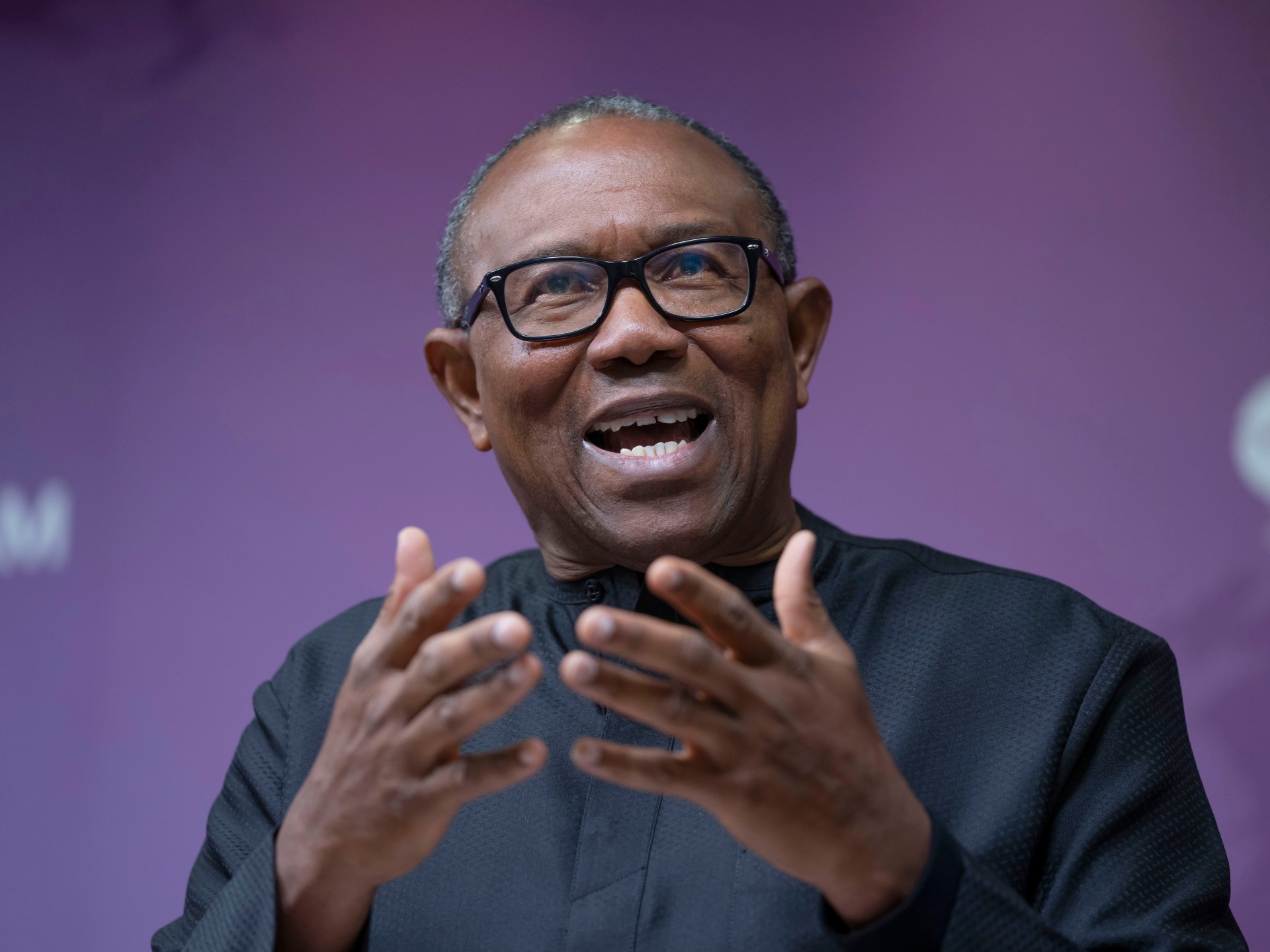
Peter Gregory Obi does not do things quietly. When the former Anambra governor and 2023 Labour Party presidential candidate walked into the national secretariat of the Nigeria Democratic Congress on Sunday, May 3, 2026, flanked by former Kano State governor Rabiu Musa Kwankwaso and welcomed by roaring supporters chanting “O-K is okay,” he was not merely joining a party. He was making a declaration of war, staking what remains of his political credibility on a platform that barely existed in the national consciousness six months ago, and betting that the hunger of millions of Nigerians for genuine change can still be channelled into electoral victory in 2027.
Whether that bet will pay off is the question consuming Nigeria’s political class this week. The answers, depending on who you speak to, range from inspired genius to reckless desperation.
Obi had announced his exit from the African Democratic Congress citing a toxic political environment, internal crises, and what he described as external interference undermining party stability, stressing that his decision was not driven by personal grievances against party leaders such as former Senate President David Mark or former Vice President Atiku Abubakar. That carefully worded statement, elegant and emotionally loaded in equal measure, did not survive long before the firestorm began.

The Special Adviser to President Bola Tinubu on Information and Strategy, Bayo Onanuga, was swift and brutal in his response, describing Obi as a political nomad and a politician made of jelly, accusing him of running away from a contest with Atiku and others for the ADC’s presidential ticket rather than fighting for it. The APC’s National Publicity Secretary, Felix Morka, was equally caustic, tracing Obi’s political itinerary from APGA to PDP to Labour Party to ADC and now to the NDC, and describing him as a political rolling stone who fantasises about being president on a ticket delivered on a platter of gold.
The mockery was loud. Yet ridicule from an incumbent’s spokesmen is not always the damaging thing it appears. In Nigerian politics, when a ruling party spends significant energy attacking a man from the opposition, the question a careful observer must ask is why.
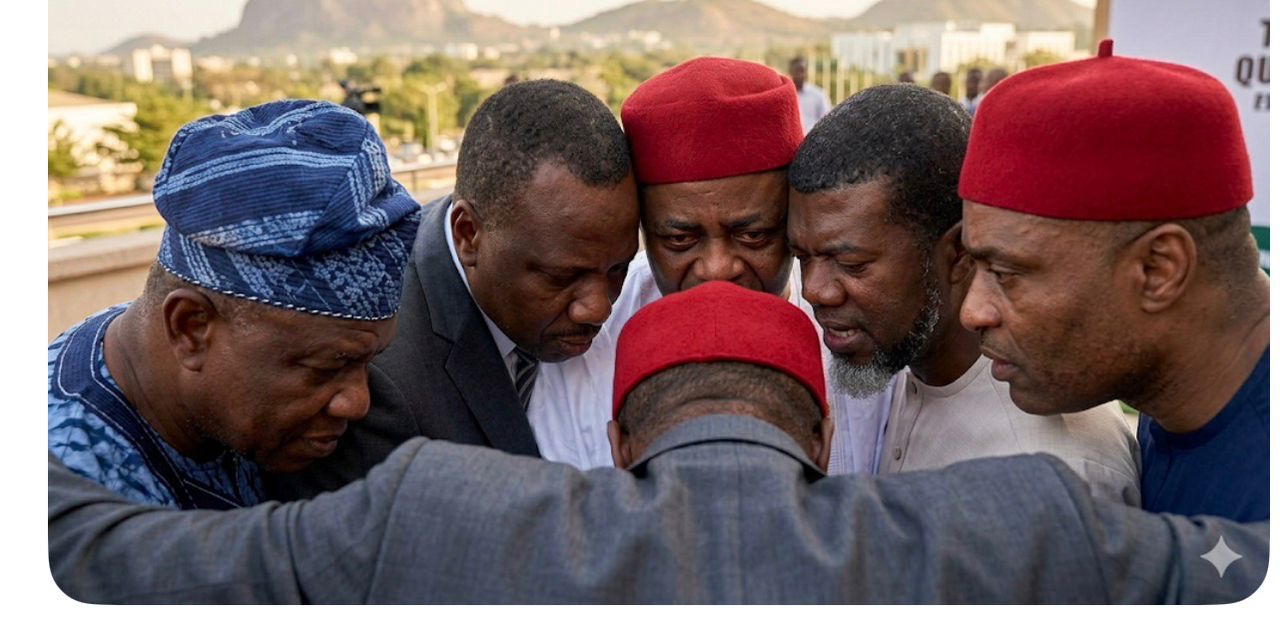
Obi and Kwankwaso formalised their entry into the NDC after a marathon closed-door meeting at the Abuja residence of former Bayelsa State Governor and NDC National Leader, Senator Seriake Dickson, a gathering that culminated in their official registration as members of the fast-growing political platform. The optics were deliberate. Dickson, a southerner with deep roots in the Niger Delta. Obi, the Igbo face of a movement that captured over six million votes in 2023. Kwankwaso, the north’s most popular grassroots mobiliser outside of the ruling party. Three regional constituencies, one room, one handshake. The message to Nigerians was unmistakable: this alliance means to be taken seriously.
Addressing the crowd after receiving his membership card, Obi said they were there to be part of a peaceful family that would work hard to build a united, secure, and prosperous Nigeria that works for everyone, and paid tribute to Kwankwaso’s record on education, primary healthcare, and poverty reduction. He also issued a remarkable public plea, essentially warning the Tinubu administration to leave the NDC alone, urging the government to respect their democracy, refrain from interference, and allow them to build the party in peace, pointing to the court cases that had plagued both the Labour Party and the ADC as evidence of what he feared most.
That plea is revealing because it discloses something Obi has rarely said so plainly: that he believes the pattern of legal disruption and internal fracturing that destroyed the Labour Party’s structures after 2023 and subsequently destabilised the ADC was not organic. The allegation, though unproven, resonates deeply with a Nigerian public that has watched too many opposition platforms implode at precisely the wrong moments to consider it merely coincidental.
The arithmetic of 2023 haunts this conversation. Tinubu polled 8.8 million votes in the 2023 presidential election, while Atiku garnered approximately 6.9 million, Obi collected 6.1 million, and Kwankwaso brought in nearly 1.5 million, a combined opposition total that would have comfortably overwhelmed the winner had those voters coalesced behind a single candidate. That number is not lost on any serious political analyst in Nigeria today. It is, in fact, the single most persuasive argument for the Obi-Kwankwaso movement and the single most alarming statistic on Aso Rock’s intelligence dashboard.
The question that Nigerians are now debating, is whether the NDC can become the vehicle that finally unites that fragmented majority. The odds, as matters currently stand, are formidable. The party is new, its structures are thin, and its financial war chest is unknown. The NDC does not yet command the institutional depth of the APC or even the battered but recognisable scaffolding of the PDP. It has no sitting governors. It controls no state government, no federal legislature bloc of consequence, no patronage network capable of funding a national campaign.
Obi, to his credit, acknowledged the depth of the challenge. In his exit statement from the ADC, he spoke of carrying daily silent pains and described a political environment where humility is mistaken for weakness, prudent management of resources is labelled stinginess, and obedience to the rule of law is seen as timidity rather than discipline. Whether that portrait of a principled man besieged by a corrupt system is accurate or strategically crafted, it speaks to something real in the Nigerian experience, the feeling shared by millions that playing by the rules in this country guarantees nothing except disadvantage.
His critics, however, have a legitimate counter-argument that deserves honest engagement rather than partisan dismissal. This is now Obi’s fifth political party. He began in the All Progressives Grand Alliance, crossed to the PDP, contested on the Labour Party platform in 2023, joined the ADC in late 2025, and has now settled, at least for now, in the NDC. A man who changes parties with such frequency invites the question of what, beyond his personal presidential ambition, binds him to any of them. Party building requires patience, sacrifice, and the willingness to remain inside a structure long enough to shape its culture. Obi has not yet demonstrated that willingness in sustained form.
His defenders respond that the Nigerian political environment makes loyalty to a broken structure indistinguishable from complicity. Every party Obi has left, they argue, was genuinely compromised, infiltrated, or disabled from within. There is something to this. The Labour Party’s implosion after 2023 was genuine and documented. The ADC’s leadership crisis was real and judicially confirmed.
What is beyond dispute is that Nigeria needs a functional opposition. As Nigeria approaches 2027, familiar patterns of division within the opposition are beginning to re-emerge, with fresh defections and shifting political alignments once again raising serious concerns about whether history will simply repeat the split that handed the APC its victory in 2023. An opposition that cannot consolidate is not merely a political failure; it is a democratic failure, because governance without accountability produces exactly the kind of impunity that ordinary Nigerians suffer under.
The NDC’s national chairman Moses Cleopas captured the moment’s ambition, if not yet its execution, when he described his party as a Noah’s Ark poised to rescue Nigeria from its current challenges, urging supporters to seize the window of the ongoing membership registration. Arks, however, take time to build. They require nails, timber, planning, and the hard unglamorous labour of construction before the storm arrives.
The storm, in this case, is scheduled for February 2027. Obi and Kwankwaso have chosen their vessel. Nigeria is watching to see whether it will float.