

By Okoi Obono-Obla
Napoleon’s Egyptian Campaign: France’s Failed Imperial Dream-
When Europeans sought to establish colonial outposts and empires across the world, they competed fiercely to outdo one another in demonstrating imperial might and power. They scrambled to acquire territories in Asia, Africa, the Americas, and other regions from which they could extract resources to strengthen their nations. The United Kingdom secured India, the jewel of Asia, while France, another European power with grand ambitions, dreamed of acquiring Egypt and adjoining regions. Control of Egypt would provide access to the Isthmus of Suez, the Red Sea, and the Indian Ocean, enabling France to build an empire as vast and prestigious as British India.
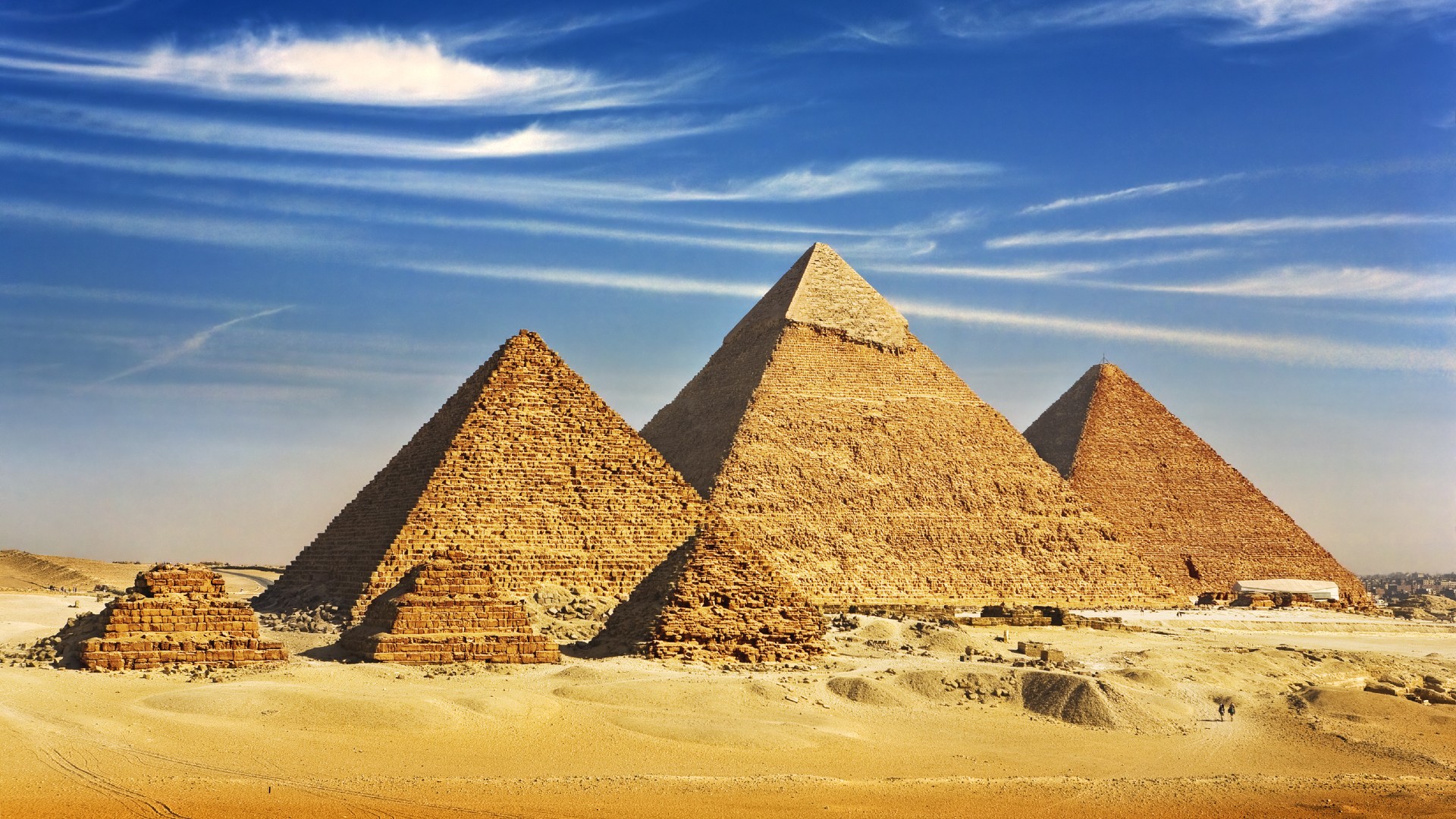
The task fell to Napoleon Bonaparte in 1798. He assembled a large fleet of warships, an army of about 35,000 men, and a team of scientists, astronomers, geologists, and other scholars to explore the mysteries of Egypt, then under the rule of the Mamluks within the Ottoman Empire. Napoleon stormed Egypt, capturing Alexandria and defeating the Mamluks at the Battle of the Pyramids, thereby establishing a foothold. However, his fleet was soon destroyed by Admiral Horatio Nelson at the Battle of the Nile, cutting off French reinforcements. Nelson, celebrated as a naval genius, would later be commemorated with the towering monument in Trafalgar Square, London.
The French occupation quickly ran into hostility from the Egyptian population, who regarded the French as infidels. Tensions escalated further when French soldiers consorted with Egyptian women, fueling resentment. Resistance culminated in revolts such as the Cairo uprising of October 1798. Despite these challenges, Napoleon managed to evade the British naval dragnet in the Mediterranean and escape back to France in 1799, leaving his army behind. Although the campaign ultimately failed to secure Egypt for France, it left a lasting legacy: the discovery of the Rosetta Stone and the birth of modern Egyptology.
The dramatic end of Bonaparte’s grand design in Egypt—his ambition to establish a French empire akin to the one Britain had built in India—saved Egypt from becoming a French colony in Africa. Instead, Egypt remained under Ottoman suzerainty, and France’s dream of rivaling Britain’s imperial dominance through an eastern empire collapsed.
Conclusion:
Napoleon’s Egyptian expedition was a bold but ultimately doomed attempt to challenge Britain’s supremacy in Asia and Africa. While it failed militarily and politically, it reshaped European knowledge of Egypt and laid the foundations of modern Egyptology. In the end, the campaign stands as a dramatic reminder of the limits of imperial ambition when confronted by local resistance and superior naval power.