


By Okoi Obono-Obla
The Amazigh People: Indigenous Guardians of North Africa-
The Amazigh people, otherwise known as the Berber people, are the indigenous inhabitants of North Africa, having lived in the region for millennia before the arrival of Arabs. Today, they are found mainly in Morocco, Algeria, and Libya, with smaller communities in Tunisia, Egypt, Mali, and Niger. Their population is estimated at 30–40 million, making them one of the largest indigenous groups in Africa.
In Morocco, Amazighs constitute about 40% of the population, with around 14–15 million people. In Algeria, their numbers range between 7–13 million, and in recent decades there has been a resurgence of Amazigh nationalism, leading to demands for recognition of Tamazight as an official language alongside Arabic. In Libya, the Amazigh population is smaller, estimated at 600,000, but they remain culturally significant, especially in the Nafusa Mountains and the coastal town of Zuwara.
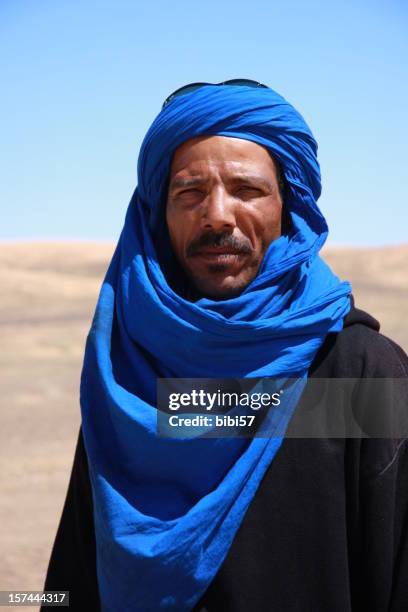
The Amazigh people display a diverse phenotype: some are white, some are brown, and others are dark or black. This diversity reflects centuries of interaction across the Mediterranean, Sahara, and Sahel. In the Sahelian regions of Mali and Niger, the Amazigh are known as the Tuareg, a nomadic subgroup famous for their desert traditions, distinctive indigo veils, and rich oral poetry.
Population Figures by Country:
| Country | Estimated Amazigh Population | Share of National Population |
|———–|——————————|——————————|
| Morocco | 14–15 million | ~40% |
| Algeria | 7–13 million | ~20–30% |
| Libya | ~600,000 | ~9% |
| Tunisia | ~100,000 | <1% |
| Mali & Niger (Tuareg) | ~2–3 million combined | Significant minority |
Conclusion:
The Amazigh people remain a cornerstone of North African identity, preserving their language, traditions, and cultural heritage despite centuries of Arabization. Their growing political and cultural movements—especially in Morocco and Algeria—signal a renewed determination to secure recognition and ensure that Tamazight language and Amazigh identity continue to thrive in the modern era. Their diversity, resilience, and widespread presence across the Maghreb and Sahel make them not only guardians of ancient traditions but also vital contributors to Africa’s cultural mosaic.









This is a wonderful overview, though I’ would like to add some context from my own experiences. Having family in Morocco and growing up with Tuareg people in Northern Nigeria, I’ve seen how this heritage thrives far beyond the Maghreb. The Amazigh heartland truly defines North West Africa, extending into Nigeria and other countries like Burkina Faso and Mauritania.
A beautiful hallmark of this culture is the ‘Desert Blues’ music by incredible artists like Bombino (Omara Moctar) from the Tidene, Niger Republic. Bombino’s guitar-driven melodies perfectly capture the spirit of the Sahara and show how vibrant and modern this ancient identity remains (they sing of the old and the new, of being dispersed etc.). You can find Bombino and also my other favourite band, Imrahan, on Youtube. I would encourage anyone reading who has not heard Desert Blues to explore this music. It’s a privilege to see these ‘Indigenous Guardians’ getting the recognition they deserve! I will write a supplemental in the near future, from a personal perspective. Thank you for your article.