A New Dawn in Nigeria’s Political Cooperation: APGA’s Historic Alignment with Tinubu
By Okoi Obono-Obla
APGA’s Historic Alignment with Tinubu A major and remarkable political development, unprecedented in the annals of Nigeria’s political evolution, has quietly taken place. While some may casually dismiss it as a non-event, any serious student of history and politics in the country would recognize its significance as Nigeria marches toward the 2027 general elections.
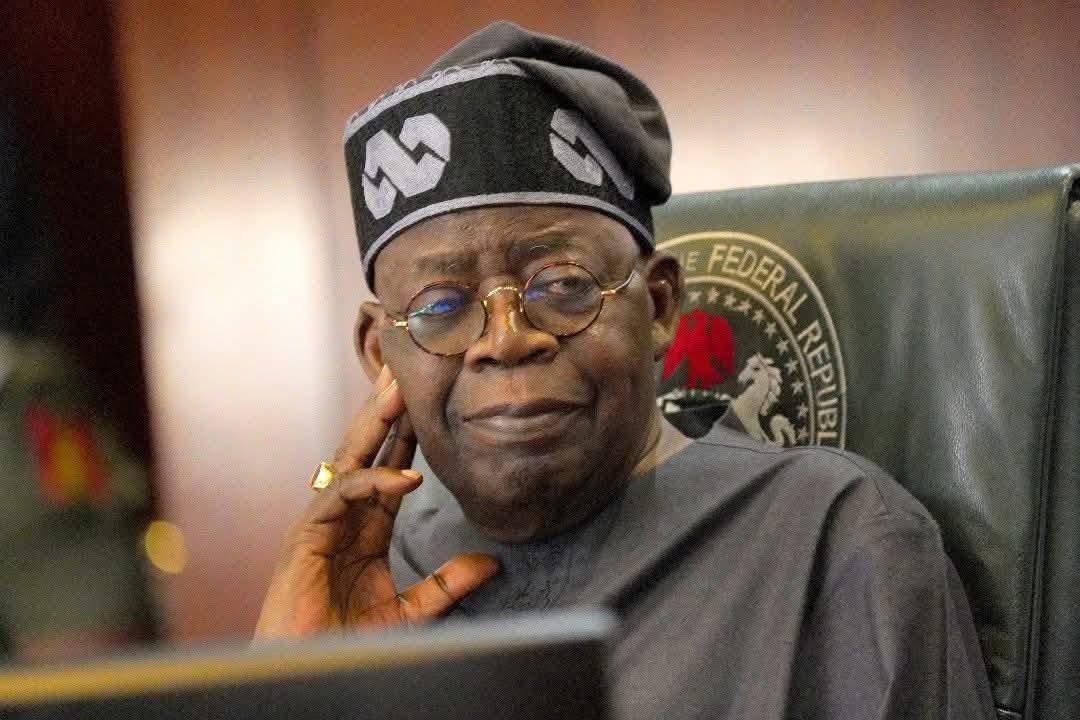
The National Chairman of the All Progressives Grand Alliance (APGA), Sly Ezeokenwa, has declared that APGA will not present a presidential candidate in the 2027 election. Instead, the party plans to support President Bola Ahmed Tinubu if he secures the ticket of the All Progressives Congress (APC). He explained that APGA believes in Tinubu’s “Renewed Hope Agenda” and shares similar political ideology with him. Ezeokenwa further recalled that adopting a candidate from another party is not new, citing APGA’s support for former President Goodluck Jonathan in the 2011 and 2015 elections.
Indeed, we saw the same APGA in 2015 adopting President Goodluck Jonathan as its presidential candidate. Jonathan, from Bayelsa State—a component part of the old Eastern Region—was himself caught up in the historical crisis that erupted in the East decades earlier. That crisis was triggered when Dr. Nnamdi Azikiwe migrated from Western Nigeria to seek the position of Leader of Government Business in the Eastern House of Assembly. His move sparked a crisis of confidence among groups in the Eastern Region, resulting in political bad blood that lingered for a long time. APGA’s adoption of Jonathan in 2015 was therefore a continuation of its tradition of aligning with candidates outside its immediate fold, while also reflecting the enduring complexities of Nigeria’s regional political dynamics.
This development is significant when situated within the broader context of Nigeria’s political history. APGA, though a national party in name, has largely functioned as a regional party with its stronghold in the South Eastern geopolitical zone, particularly Anambra State where it governs. Since the 1950s, political cooperation between the Western and Eastern regions of Nigeria has been elusive. In the First Republic, the Action Group dominated Western Nigeria while the National Convention of Nigeria Citizens (NCNC) held sway in the East.
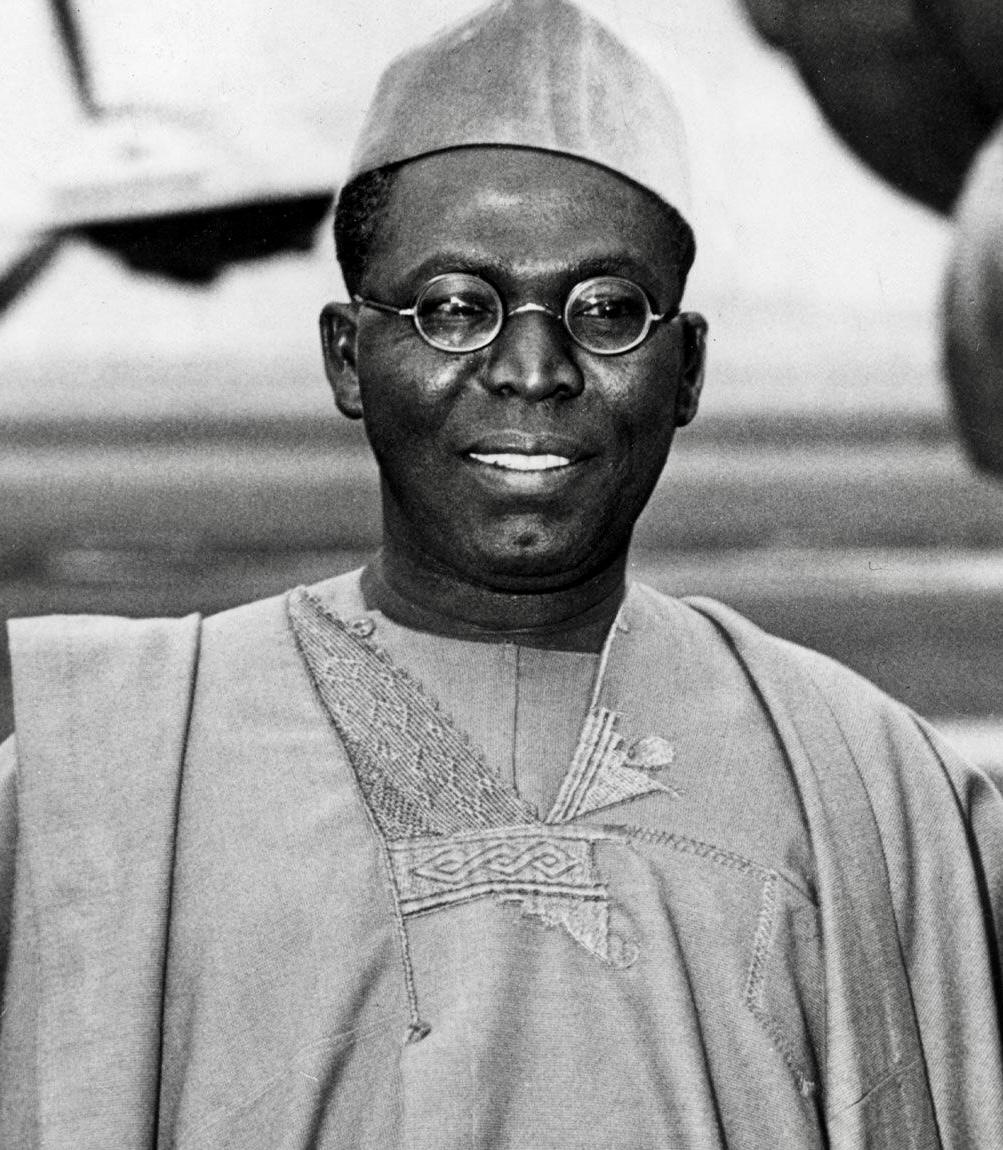
The seeds of discord were sown in 1953 when the NCNC swept the polls in Western Nigeria’s parliamentary elections. By virtue of the parliamentary system then in practice, the party with the largest number of seats was invited to form the government. Dr. Nnamdi Azikiwe, leader of the NCNC, was poised to become Premier of Western Nigeria. However, overnight, many NCNC parliamentarians defected to the Action Group, denying Azikiwe the majority. This maneuver, widely seen as an attempt to prevent an Easterner from leading the West, created deep mistrust and political hostility between the two regions—a divide that persisted for decades.
Today, that historical divide appears to be softening. APGA’s decision to align with President Tinubu, a son of the South West, signals a new detente between the West and East. This cooperation is further reflected in the political synergy of governors across the South East and South South—Hope Uzodimma (Imo), Peter Mbah (Enugu), Francis Nwifuru (Ebonyi), Bassey Edet Otu (Cross River), Douye Diri (Bayelsa), Siminalayi Fubara (Rivers), and Umo Eno (Akwa Ibom)—all working toward Tinubu’s reelection.
For the first time in over seventy years, Nigeria is witnessing a unique consensus between political blocs that historically stood apart. Credit must go to President Bola Ahmed Tinubu and the leaders of these regions for their equanimity, sense of unity, cooperation, dynamism, and vision in fostering this unprecedented political alignment.
In conclusion, APGA’s pronouncement is not just a tactical move but a historic milestone in Nigeria’s political journey. It represents the possibility of healing old wounds and building bridges across regions that once stood divided. If sustained, this cooperation could reshape Nigeria’s political landscape in ways never imagined.